
Last updated on August 25th, 2026 at 12:51 pm
The engine control module (ECM) in your 1992 Dodge Stealth manages fuel delivery, ignition timing, and emissions systems. Failures often stem from voltage spikes, corrosion, or internal wear, leading to poor performance or no-start conditions.
If your 1992 Dodge Stealth has been running poorly or refusing to start, the engine control module (ECM) may be the culprit. This small but critical component acts as the brain of your vehicle’s engine management system, regulating fuel delivery, ignition timing, and emissions controls. Because this model predates OBD-II, diagnosing issues requires a different approach than newer vehicles. Replacing or relearning the ECM isn’t overly complex, but it does demand precision. Understanding the process helps you avoid unnecessary delays and ensures your Stealth runs reliably. Whether you’re dealing with a sudden no-start condition or intermittent performance issues, knowing how the ECM functions and what to expect during replacement can save you time and frustration. This guide covers the essentials, from identifying symptoms to the steps involved in swapping or relearning the module, so you can make informed decisions about your vehicle’s care.
The engine control module (ECM) in your 1992 Dodge Stealth is responsible for managing the engine’s most critical functions. It monitors inputs from sensors throughout the vehicle, such as the throttle position, coolant temperature, and oxygen sensors, to optimize fuel delivery and ignition timing. This ensures your engine runs efficiently, meets emissions standards, and delivers the power you expect. Without a properly functioning ECM, your Stealth may experience poor fuel economy, rough idling, or even fail to start. The module also plays a role in controlling the transmission’s shift points, which means a faulty ECM can lead to erratic shifting or hesitation under acceleration. Given its central role, the ECM is designed to be durable, but like any electronic component, it can degrade over time due to heat, vibration, or electrical issues. When replacement becomes necessary, replacement engine computers for the Dodge Stealth are available to restore your vehicle’s performance without the need for extensive reprogramming.
1992 Dodge Stealth 3.0L: When Your
OEM programmed replacements — plug & play, no dealer visit.
Find yours by year, make & model →
Free shipping · Lifetime warranty
The ECM in your 1992 Dodge Stealth is typically located in the engine bay, mounted near the firewall or inner fender for protection from the elements. Accessing it requires removing a few bolts or clips securing the protective cover, though the exact steps may vary slightly depending on the vehicle’s configuration. Once exposed, the module is held in place by a connector and possibly a mounting bracket. Disconnecting the battery before removal is recommended to prevent electrical shorts or damage to the module. Replacing the ECM involves unplugging the old unit, installing the new one, and securing it in place. Labor time for removal and reinstallation is typically 0.5 hours, according to factory guidelines. After installation, the module must undergo a relearn procedure to synchronize with your vehicle’s systems, which also takes about 0.5 hours. This ensures the ECM adapts to your Stealth’s specific engine and transmission characteristics for optimal performance.
| Operation | Configuration | Book Time |
|---|---|---|
| Powertrain Control Module Relearn | All configurations | 0.5 hr |
| Powertrain Control Module R&R | All configurations | 0.5 hr |
| Engine Control Module Relearn | All configurations | 0.5 hr |
| Engine Control Module R&R | All configurations | 0.5 hr |
After replacing the ECM in your 1992 Dodge Stealth, the factory procedure requires a relearn process to ensure the new module communicates correctly with the engine and transmission. This involves using a diagnostic tool like the DRBIII® to reset the module and allow it to adapt to your vehicle’s unique parameters. The relearn procedure typically takes 0.5 hours and is essential for restoring smooth operation. However, if you opt for a VIN-programmed replacement unit, this step is already completed before the module arrives. Flagship One’s units are pre-programmed to match your Stealth’s VIN, eliminating the need for post-installation programming. This not only saves time but also reduces the risk of errors during the relearn process, ensuring your vehicle runs as intended from the moment the new ECM is installed.
A failing ECM in your 1992 Dodge Stealth can manifest in several ways, often mimicking other mechanical or electrical issues. One of the most common symptoms is a no-start condition, where the engine cranks but refuses to fire. This may occur intermittently or become a persistent problem as the module degrades. Stalling or rough idling is another frequent sign, particularly when the ECM struggles to maintain consistent fuel delivery or ignition timing. You might also notice poor acceleration or hesitation under load, as the module fails to adjust the air-fuel mixture properly. In some cases, the transmission may shift erratically or fail to engage gears smoothly, since the ECM also influences shift points. Another telltale sign is a complete loss of communication with diagnostic tools, leaving you unable to retrieve any data from the vehicle’s systems. While these symptoms can stem from other issues, such as a faulty sensor or wiring problem, they often point to ECM failure when they occur in combination. If your Stealth exhibits these behaviors, it’s worth investigating the module as a potential cause.
Factory service bulletin #18-037-05 addresses flash programming failure recovery for the ECM in your 1992 Dodge Stealth. This bulletin outlines procedures to restore module functionality if programming is interrupted or fails during updates. The steps involve using the DRBIII® diagnostic tool to recover the ECM and ensure it operates correctly. While this bulletin primarily targets technicians performing software updates, it underscores the importance of following precise procedures when working with the module. If you encounter issues after attempting a relearn or replacement, this bulletin may provide guidance for resolving them.
| Bulletin | Subject | What It Addresses |
|---|---|---|
| 18-037-05 | 18-037-05 Flash Programming Failure Recovery Using DRBIII® | — |
Stalling after an ECM replacement often occurs if the relearn procedure isn’t completed. The module needs to adapt to your vehicle’s specific parameters, such as idle speed and fuel trim. Without this step, the engine may run poorly or stall. Using a VIN-programmed unit can eliminate this issue, as it arrives ready to sync with your Stealth’s systems.
Driving with a faulty ECM is risky, as it may lead to poor performance, stalling, or even a no-start condition. The module controls critical functions like fuel delivery and ignition timing, so a failure can leave you stranded. If you suspect ECM issues, it’s best to address them promptly to avoid further complications.
Distinguishing between an ECM failure and a sensor issue can be challenging. Symptoms like stalling, misfires, or poor acceleration may overlap. However, if multiple sensors fail simultaneously or the vehicle loses communication with diagnostic tools, the ECM is more likely the culprit. A professional scan tool can help isolate the problem.
Replacing the ECM requires basic hand tools, such as a socket set and screwdrivers, to remove the protective cover and mounting hardware. A diagnostic tool like the DRBIII® is needed for the relearn procedure if you’re not using a VIN-programmed unit. Disconnecting the battery before starting is also recommended to prevent electrical issues.
Disconnecting the battery can reset the ECM, but it’s not always the best solution. While it may clear temporary glitches, it won’t address underlying issues like a failing module or corrupted programming. Additionally, disconnecting the battery can erase learned parameters, requiring a relearn procedure to restore optimal performance.
If your 1992 Dodge Stealth is experiencing ECM-related issues, you have a few options for resolution. A repair shop can attempt to diagnose and reprogram the existing module, though this may not always be successful if the unit is damaged. Alternatively, replacing the ECM with a new or refurbished unit ensures reliable performance. Opting for a VIN-programmed replacement from Flagship One eliminates the need for post-installation programming, saving you time and hassle. Whether you choose to repair or replace, addressing ECM issues promptly will help restore your Stealth’s drivability and prevent further complications.
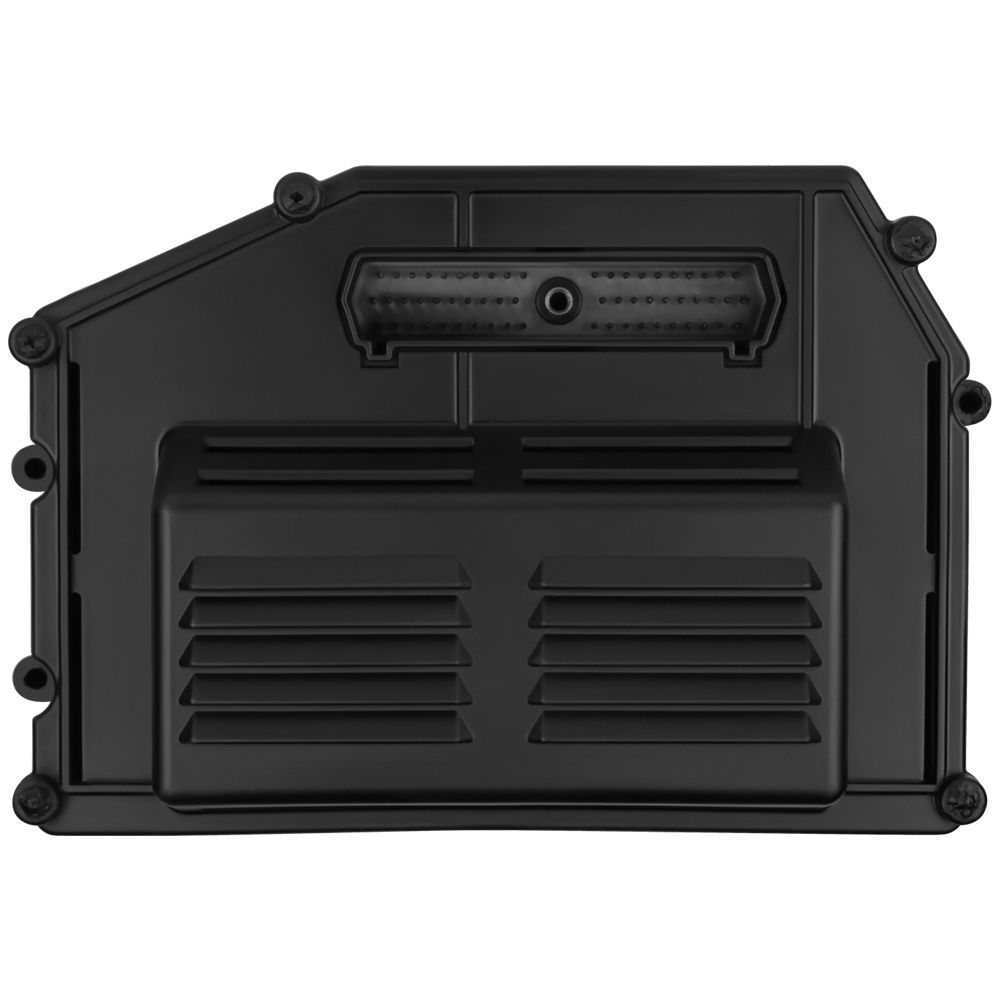
Flagship One stocks a refurbished, VIN-programmed PCM for the 1992 Dodge Stealth with a lifetime warranty, free shipping and no core charge. The full Dodge Stealth module lineup covers other engine configurations as well.
The ECM in your 1992 Dodge Stealth plays a vital role in keeping your vehicle running smoothly. Whether you’re dealing with stalling, poor performance, or a no-start condition, understanding the module’s function and replacement process can help you make informed decisions. By opting for a VIN-programmed replacement unit, you can avoid the complexities of post-installation programming and get back on the road faster. Regular maintenance and prompt attention to electrical issues will help extend the life of your ECM and keep your Stealth reliable for years to come.