
Last updated on August 25th, 2026 at 12:51 pm
The Powertrain Control Module in your 1994 Dodge Ram Van is the central computer responsible for managing engine operations. This unit receives data from multiple sensors and switches mounted throughout the vehicle, using that information to control fuel mixture, spark timing, and transmission behavior. When this module fails, your van may exhibit drivability problems ranging from poor starting to transmission shifting issues.
When your 1994 Dodge Ram Van develops starting problems, stalling, or erratic transmission behavior, the Powertrain Control Module often bears responsibility. This vehicle uses an integrated computer that monitors engine sensors and adjusts fuel delivery and ignition timing in real-time. Unlike later OBD-II systems, the module on this pre-emissions-standard vehicle manages multiple vehicle functions from a central location. Understanding how the PCM operates, recognizing failure symptoms, and knowing what replacement involves helps you make informed decisions about repairing your van. This guide covers module function, common failure patterns, service procedures, and your replacement options without unnecessary technical jargon or sales pressure.
The Powertrain Control Module in your 1994 Dodge Ram Van serves as the electronic brain for both the engine and automatic transmission. This computer processes input from numerous sensors positioned throughout the engine bay and underhood area, converting that data into commands that regulate fuel injector pulse width, ignition timing advance, and transmission shift points. The module maintains a constant dialogue with the engine, adjusting mixture ratios and spark delivery based on throttle position, coolant temperature, manifold absolute pressure, and other critical parameters.
Your van’s module stores diagnostic trouble codes when it detects out-of-range values from these sensors. This information remains in memory even after the triggering condition clears, allowing technicians to identify intermittent problems during diagnosis. The replacement engine computers for the 1994 Dodge Ram Van includes pre-programmed units configured to your specific application, eliminating the need to locate dealer equipment or specialized software for initial programming. The module also manages the speed control function, interfacing with an override switch on the instrument panel to allow driver intervention in cruise control operation.
This integrated approach to engine and transmission management means that module failure affects multiple vehicle systems simultaneously. Drivers may notice degraded performance alongside shifting abnormalities, creating symptoms that seem disconnected but share a common origin in the central computer.
1994 Dodge Ram Van
OEM programmed ECM for your 1994 Dodge Ram Van — plug & play, no dealer visit.
Free shipping · Lifetime warranty
| Operation | Configuration | Book Time |
|---|---|---|
| Engine Control Module Relearn | Van | 0.5 hr |
| Engine Control Module Relearn | Truck | 0.5 hr |
| Engine Control Module R&R | Van | 0.4 hr |
| Engine Control Module R&R | Truck | 0.5 hr |
| Engine Control Module R&R | GAS | 0.5 hr |
| Engine Control Module R&R | DIESEL | 0.7 hr |
| Engine Control Module R&R | GAS | 0.4 hr |
| Powertrain Control Module Relearn | Van | 0.5 hr |
The Powertrain Control Module in your 1994 Dodge Ram Van may fail gradually or suddenly, producing symptoms that vary depending on the specific internal circuit affected. Hard starting or extended cranking periods often indicate module problems, particularly when the engine fires briefly then dies or requires excessive throttle pumping to initiate combustion. Stalling at idle or during deceleration suggests the module has lost proper communication with load sensors or is failing to maintain adequate idle speed control.
Rough running and misfire sensations typically accompany failure modes involving the module’s ignition timing circuits. Drivers may notice decreased fuel economy alongside these symptoms as the computer loses ability to optimize air-fuel mixture. Transmission shifting problems, including harsh engagements or failure to shift into higher gears, frequently occur because the same module controls automatic transmission function. Some vehicles experience complete communication failure, leaving scan tools unable to establish data link connection with the Powertrain Control Module. Others develop multiple trouble codes across unrelated systems, pointing toward internal module circuitry degradation rather than individual sensor failures.
When multiple symptoms appear simultaneously without clear mechanical origin, the module itself warrants investigation as the common factor linking otherwise disconnected complaints.
Factory service bulletin 18-037-05 addresses flash programming failures that may occur during module replacement procedures. This bulletin provides guidance for using the DRBIII diagnostic tool to recover from situations where the programming process is interrupted or fails to complete successfully. The procedure covers steps to restore proper communication between the diagnostic equipment and the Powertrain Control Module when standard programming attempts do not succeed. Technicians following this bulletin can recover from programming failures without requiring module replacement, saving both time and parts costs when the underlying hardware remains functional.
| Bulletin | Subject | What It Addresses |
|---|---|---|
| 18-037-05 | 18-037-05 Flash Programming Failure Recovery Using DRBIII® | — |
Diagnostic testing helps distinguish module failure from sensor problems. If multiple unrelated trouble codes appear simultaneously, sensor readings conflict with actual engine conditions, or scan tools cannot communicate with the module, internal computer failure is likely. Isolated codes pointing to a single sensor typically indicate that specific component needs replacement. A professional diagnosis confirms whether the module itself requires replacement or whether external components are responsible for the symptoms.
Salvage modules often require programming to match your specific vehicle, which may demand dealer equipment or specialized software. Additionally, used computers carry unknown histories and may fail soon after installation. Refurbished units from reputable suppliers typically undergo testing and come with programming pre-configured, reducing installation complications and increasing reliability compared to unknown-condition salvage parts.
Operating the vehicle with a compromised module risks leaving you stranded unexpectedly and may cause drivability problems that make the van unsafe in traffic. Prolonged operation with failing electronics can also cause catalytic converter damage from rich fuel mixtures or transmission wear from improper shifting. Having the module tested or replaced before complete failure prevents these secondary problems and maintains predictable vehicle behavior.
The relearn process allows the replacement module to establish baseline communication with vehicle sensors and adjust operating parameters for your specific engine. During this period, the computer monitors sensor values while the engine operates through various conditions, storing calibration data that optimizes performance and drivability. The procedure requires 0.5 hours according to published labor times and involves running the engine at idle and moderate speeds while the module completes its initialization sequence.
These terms describe related but distinct components depending on manufacturer terminology. The Powertrain Control Module typically refers to a computer that manages both engine and transmission functions, while the Engine Control Module may handle only engine-specific operations. Your 1994 Dodge Ram Van integrates these functions into a single module that handles fuel delivery, ignition timing, and automatic transmission shifting from one central location.
Repairing a failing Powertrain Control Module in your 1994 Dodge Ram Van involves choosing between rebuilding the original unit or installing a replacement. Rebuilt modules require you to send your existing computer away, creating vehicle downtime. Purchasing a new or refurbished replacement from Flagship One eliminates this wait and ships a pre-programmed unit ready for installation. For this specific van application, you receive a module configured with your VIN before shipping, reducing post-installation initialization time and getting your vehicle back on the road more quickly.
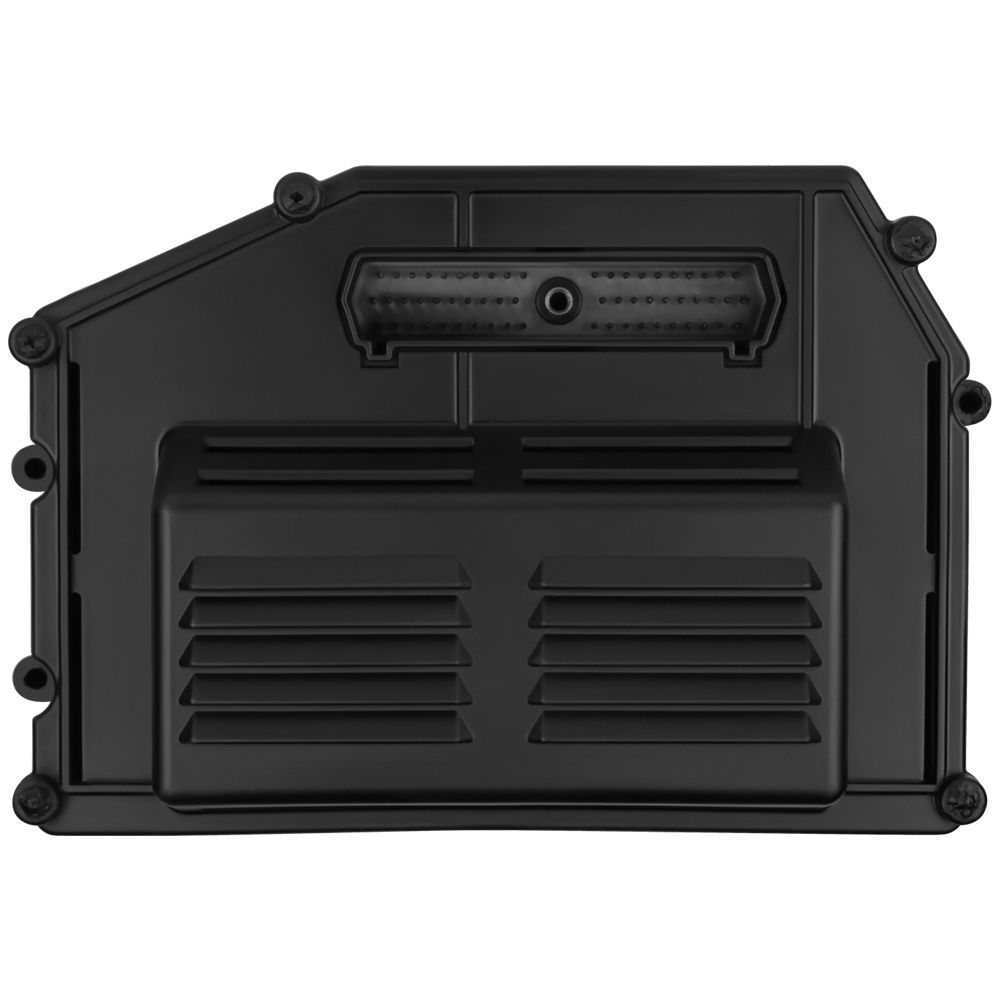
Flagship One stocks a refurbished, VIN-programmed PCM for the 1994 Dodge Ram Van with a lifetime warranty, free shipping and no core charge. The full Dodge Ram Van module lineup covers other engine configurations as well.
The Powertrain Control Module in your 1994 Dodge Ram Van represents a critical component that coordinates engine and transmission operation. Recognizing failure symptoms, understanding the replacement process, and choosing a properly programmed replacement unit ensures successful repair. Flagship One supplies replacement modules configured for your specific application, backed by support resources to assist throughout your repair process. Contact their technical team with questions about fitting the correct module to your vehicle.