
Last updated on August 25th, 2026 at 12:51 pm
The Powertrain Control Module (PCM) in your 1993 Dodge Stealth manages fuel delivery, ignition timing, and transmission shifting. Failures may cause hard starts, stalling, or erratic engine behavior, often due to internal corrosion or voltage spikes.
If your 1993 Dodge Stealth struggles to start, stalls unexpectedly, or runs poorly, the Powertrain Control Module (PCM) may be at fault. This critical component oversees engine and transmission operations, and its failure can disrupt fuel delivery, ignition timing, or shifting. Replacing it involves removing the old unit, installing a new one, and performing a relearn procedure to ensure proper communication with the vehicle’s systems. Understanding the process helps you anticipate labor costs and avoid unnecessary delays. A pre-programmed replacement can simplify the job by eliminating additional programming steps.
1993 Dodge Stealth
OEM programmed ECM for your 1993 Dodge Stealth — plug & play, no dealer visit.
Free shipping · Lifetime warranty
In your 1993 Dodge Stealth, the Powertrain Control Module (PCM) acts as the brain for both the engine and transmission. It processes sensor data to optimize fuel injection, ignition timing, and shift points, ensuring smooth operation. When it fails, you may experience hard starts, stalling, or erratic shifting. Replacing it requires a compatible replacement engine computers for the Dodge Stealth, which must match the vehicle’s original calibration. Without a properly functioning PCM, the engine may run poorly or fail to start at all, making it a critical component for reliable performance.
The PCM in your 1993 Dodge Stealth is typically located near the engine bay, often mounted on the firewall or inner fender. Replacing it involves disconnecting the battery, removing the electrical connectors, and unbolting the module. The labor time for removal and replacement is 0.5 hours. After installation, the new unit must be secured properly to avoid vibration damage. Since this is a pre-OBD-II vehicle, no scan tool communication is required for basic installation, but a relearn procedure follows to ensure proper function.
| Operation | Configuration | Book Time |
|---|---|---|
| Powertrain Control Module Relearn | All configurations | 0.5 hr |
| Powertrain Control Module R&R | All configurations | 0.5 hr |
| Engine Control Module Relearn | All configurations | 0.5 hr |
| Engine Control Module R&R | All configurations | 0.5 hr |
After installing a new PCM in your 1993 Dodge Stealth, a relearn procedure is required to synchronize the module with the vehicle’s systems. This typically takes 0.5 hours and ensures proper fuel delivery and ignition timing. However, if you opt for a VIN-programmed replacement unit, these steps are already completed, saving you time and potential programming errors. Factory procedures may involve using specialized tools, but a pre-programmed module eliminates the need for additional setup.
A failing PCM in your 1993 Dodge Stealth may cause a range of issues, including no-start conditions, stalling at idle, or poor acceleration. You might also notice erratic shifting, as the module controls transmission functions. In some cases, the engine may run rough or misfire due to incorrect fuel or ignition signals. If the module loses communication, the vehicle may not respond to scan tool commands. While no specific codes are tied to this pre-OBD-II model, symptoms often point to internal module failure.
Factory service bulletin #18-037-05 addresses flash programming failure recovery for the 1993 Dodge Stealth using the DRBIII® tool. If the PCM fails during programming, this bulletin provides steps to recover the module and restore proper function. Following the procedure carefully can prevent unnecessary module replacements due to programming errors.
| Bulletin | Subject | What It Addresses |
|---|---|---|
| 18-037-05 | 18-037-05 Flash Programming Failure Recovery Using DRBIII® | — |
Common signs include no-start conditions, stalling, or erratic engine behavior. Since this is a pre-OBD-II vehicle, a scan tool may not communicate with the module if it’s faulty. If basic checks like fuel pressure and spark are normal, the PCM may be the issue.
Replacement involves basic tools and 0.5 hours of labor, but a relearn procedure is required afterward. If you’re not comfortable with electrical work or lack the necessary tools, a professional may be better suited for the job.
The relearn procedure ensures the new module synchronizes with the vehicle’s sensors and systems. Without it, the engine may run poorly or fail to start. The process typically takes 0.5 hours and may require a scan tool or specific steps outlined in the service manual.
If your 1993 Dodge Stealth is experiencing PCM-related issues, you have options. A repair may be possible if the failure is due to a minor fault, but a replacement is often more reliable. A pre-programmed module can save time and ensure proper function without additional programming steps. Consider your vehicle’s age and condition when deciding between refurbished or new parts.
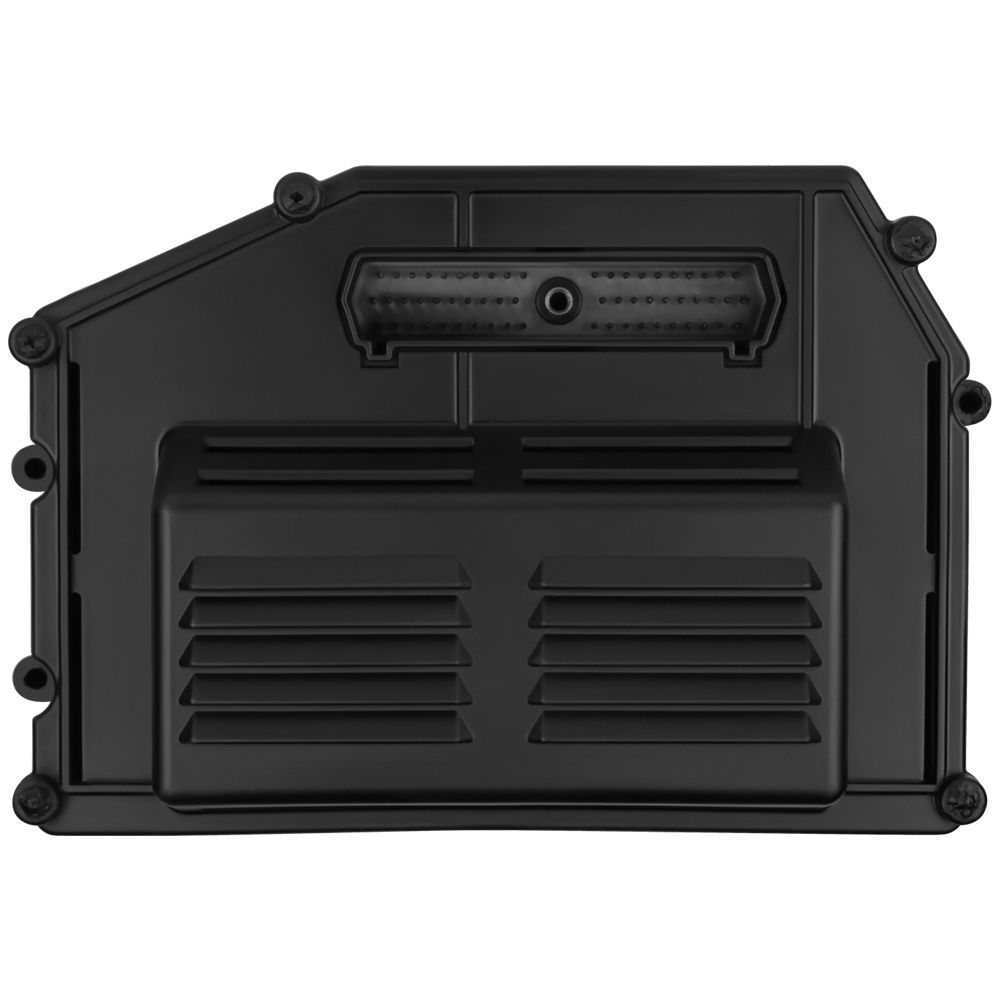
Flagship One stocks a refurbished, VIN-programmed PCM for the 1993 Dodge Stealth with a lifetime warranty, free shipping and no core charge. The full Dodge Stealth module lineup covers other engine configurations as well.
The 1993 Dodge Stealth relies on its PCM for smooth engine and transmission operation. If you’re facing no-start conditions or drivability issues, a faulty module may be the cause. Replacing it with a pre-programmed unit can simplify the process and restore reliable performance. Addressing the issue promptly helps avoid further complications down the road.