
Last updated on August 25th, 2026 at 12:51 pm
In the 1993 Dodge Shadow, the PCM and ECM control engine timing, fuel delivery, and powertrain functions. When these modules fail, the vehicle may misfire, stall, or lose power.
You’re driving a 1993 Dodge Shadow and notice a sudden loss of power or a rough idle. The first suspect in many cases is the powertrain control module (PCM) or the engine control module (ECM). These two units sit inside the engine bay and dictate everything from ignition timing to fuel injection. Replacing them can restore the vehicle’s performance and safety. This guide explains where the modules are located, how to swap them, and what factory procedures are required afterward. You’ll also learn about common symptoms, related trouble codes, and how to keep these components in good health.
The PCM and ECM in the 1993 Dodge Shadow are the brains of the engine and powertrain systems. They monitor sensor inputs such as crankshaft position, throttle position, and coolant temperature, then adjust spark timing, fuel pressure, and transmission shift points accordingly. Because the Shadow is a pre‑OBD‑II model, these modules use proprietary communication protocols that differ from modern ECUs. replacement engine computers for the 1993 Dodge Shadow The modules are critical: a malfunction can cause misfires, stalling, or a complete loss of engine control. Replacing them restores the vehicle’s ability to interpret sensor data and execute engine management commands accurately.
1993 Dodge Shadow
OEM programmed ECM for your 1993 Dodge Shadow — plug & play, no dealer visit.
Free shipping · Lifetime warranty
The PCM and ECM are mounted on the passenger side of the engine bay, near the firewall. To access them, remove the plastic cover that hides the control‑panel area. The cover is secured by two screws that can be removed with a standard Phillips screwdriver. Once the cover is off, you can see the module housing. The replacement process involves disconnecting the electrical connector, removing the mounting screws, and sliding the unit out of its bracket. The new module is then slid into place, re‑secured with the screws, and the connector is re‑attached. The entire procedure takes roughly 0.5 hours for each unit, as listed in the labor book.
| Operation | Configuration | Book Time |
|---|---|---|
| Engine Control Module Relearn | All configurations | 0.5 hr |
| Engine Control Module R&R | All configurations | 0.5 hr |
| Powertrain Control Module Relearn | All configurations | 0.5 hr |
| Powertrain Control Module R&R | All configurations | 0.5 hr |
After the PCM or ECM has been physically installed, the factory procedure requires a relearn step to synchronize the new unit with the vehicle’s existing settings. However, Flagship One units arrive already VIN‑programmed, so that relearn step is not necessary. During the installation, the technician will simply attach the module and complete the mechanical swap. Because the unit is pre‑programmed, there is no need for an external diagnostic tool to run the relearn routine. VIN‑programmed replacement unit for the correct application.
A failing PCM or ECM in the 1993 Dodge Shadow can manifest as a hard start, intermittent stalling, or an engine that runs rough and unevenly. In some cases, the vehicle may even fail to engage the transmission. You might notice a loss of power while cruising or a sudden drop in throttle response. Occasionally, the scan tool will fail to communicate with the module, indicating a deeper electrical issue. If a diagnostic scan shows the code engine control module performance issue, it points directly to a problem within the PCM/ECM circuitry.
The only applicable bulletin for this vehicle is TSB #18‑037‑05, which addresses flash programming failures for the DRBIII® system.
| Bulletin | Subject | What It Addresses |
|---|---|---|
| 18-037-05 | 18-037-05 Flash Programming Failure Recovery Using DRBIII® | — |
First, verify that the module is properly seated and the connector is fully engaged. Check the battery voltage and confirm that the alternator is charging correctly. If the problem persists, run a diagnostic scan to look for any new codes that might indicate a different issue.
The PCM and ECM in this vehicle are specific to the Dodge Shadow’s engine architecture. Using a generic module could lead to incompatibility with sensor inputs and engine management parameters. Stick with a manufacturer‑approved or VIN‑programmed unit.
Because Flagship One units are pre‑programmed, the relearn step is unnecessary. Skipping it will not harm the module, but the vehicle may run with factory settings that are not fully optimized for your specific installation.
The labor book lists 0.5 hours for a complete replacement of the ECM, which includes removal, installation, and basic testing.
No. The new PCM is already programmed for the vehicle’s VIN, so you do not need a diagnostic scan tool to perform any programming steps.
Whether you choose a refurbished replacement module or a new, factory‑approved unit, the 1993 Dodge Shadow can regain its original performance with a straightforward installation. The replacement process is designed to be quick, with minimal impact on your daily schedule.
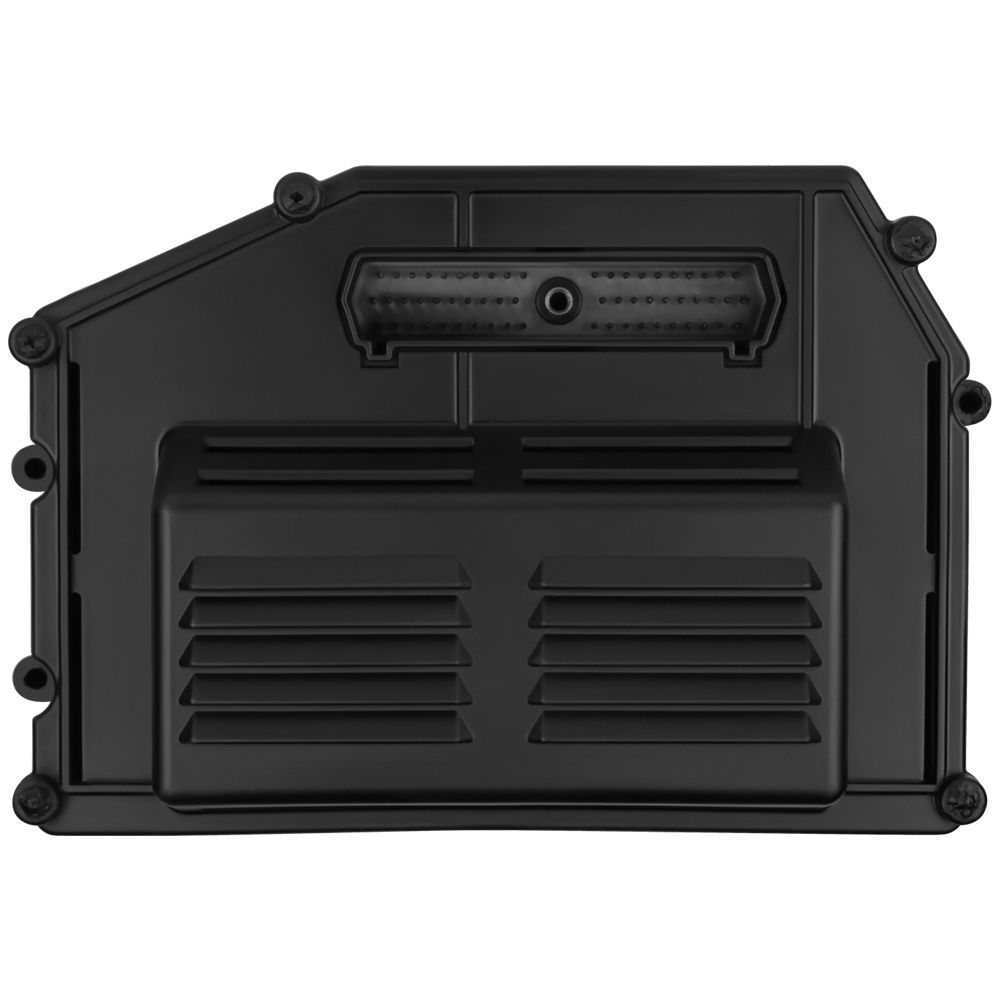
Flagship One stocks a refurbished, VIN-programmed PCM for the 1993 Dodge Shadow with a lifetime warranty, free shipping and no core charge. The full Dodge Shadow module lineup covers other engine configurations as well.
If you own a 1993 Dodge Shadow, replacing the PCM or ECM can restore reliable operation and eliminate frustrating symptoms. Consider a VIN‑programmed unit for a hassle‑free repair, and you’ll keep your vehicle running smoothly for years to come.