
Last updated on August 25th, 2026 at 12:51 pm
In the 1993 Dodge Ram Van, the Powertrain Control Module (PCM) is the central computer that monitors engine and transmission sensors, manages fuel delivery, ignition timing, and gear shifts. A failure typically results from water intrusion, corroded connections, or internal circuit loss, leading to loss of engine control and diagnostic communication.
When a 1993 Dodge Ram Van begins to exhibit erratic idle, unexpected stalling, or a complete lack of powertrain response, the underlying cause often traces back to the Powertrain Control Module. This electronic unit acts as the brain of the vehicle, interpreting sensor data and directing engine and transmission actions. Understanding how the PCM functions, where it resides, and what steps are required after replacement can help you avoid unnecessary downtime. This guide walks you through the module’s role, typical failure signs, the labor involved in removal and reinstall, and why a VIN‑programmed replacement from Flagship One may streamline the process.
The Powertrain Control Module in the 1993 Dodge Ram Van processes inputs from a network of sensors that monitor engine speed, temperature, throttle position, and transmission status. By interpreting this data, the PCM adjusts fuel injection, ignition timing, and shift points to maintain smooth operation and meet emissions standards. A malfunction can disrupt these calculations, causing rough running, loss of power, or transmission‑related errors. Because the PCM stores calibration data, any replacement typically requires a relearn procedure to sync the new unit with the vehicle’s existing parameters. This ensures that the engine runs at the intended performance level and that diagnostic trouble codes reflect the current hardware. The module is considered a critical component for both drivability and emissions compliance. replacement engine computers for the 1993 Dodge Ram Van maintains system integrity after service.
1993 Dodge Ram Van
OEM programmed ECM for your 1993 Dodge Ram Van — plug & play, no dealer visit.
Free shipping · Lifetime warranty
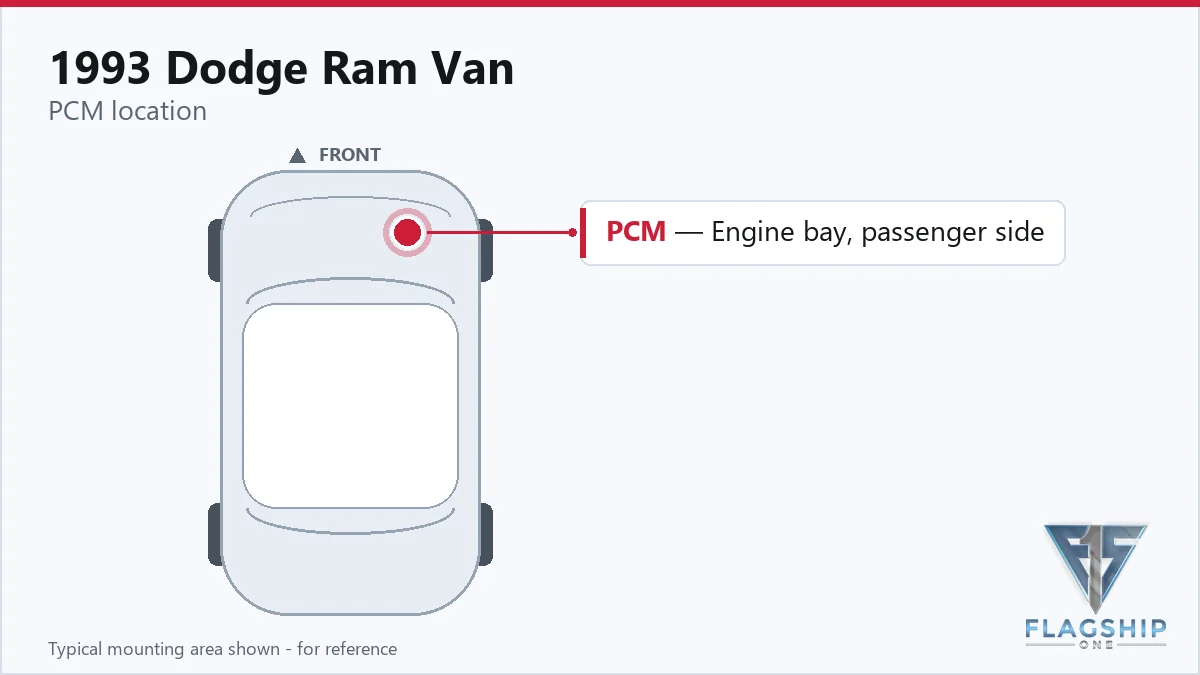
The PCM, formerly called the SBEC or engine controller, is mounted within the engine compartment of the 1993 Dodge Ram Van. Access involves removing any obstructing covers to reach the unit, then disconnecting the wiring harness before unbolting the module. The book time for removal and replacement is listed as 0.4 hours for a van configuration. After the new PCM is positioned, the harness is reconnected and the mounting bolts are tightened to the specified torque. No additional tools beyond standard hand equipment are required for this step, and the process typically fits within the half‑hour window noted for the relearn operation.
| Operation | Configuration | Book Time |
|---|---|---|
| Engine Control Module Relearn | Van | 0.5 hr |
| Engine Control Module Relearn | Truck | 0.5 hr |
| Engine Control Module R&R | Van | 0.4 hr |
| Engine Control Module R&R | Truck | 0.5 hr |
| Powertrain Control Module Relearn | Van | 0.5 hr |
| Powertrain Control Module Relearn | Truck | 0.5 hr |
| Powertrain Control Module R&R | Van | 0.4 hr |
| Powertrain Control Module R&R | Truck | 0.9 hr |
Once the PCM is installed, the factory procedure calls for a relearn of the module to align it with the vehicle’s existing sensor calibrations. The labor guide specifies a 0.5‑hour relearn time for the van. Flagship One units arrive pre‑programmed with the vehicle identification number, so the VIN‑programming step is already completed, eliminating the need for separate coding. This means the only remaining factory requirement is the standard PCM relearn, which can be performed with a scan tool or by following the prescribed idle cycle. a VIN‑programmed replacement unit ensures that the most time‑consuming programming step is already handled.
Typical signs of a failing PCM in a 1993 Dodge Ram Van include a complete no‑start condition, rough idle that leads to stalling, irregular transmission shifting, and the appearance of diagnostic trouble codes that indicate internal processor errors. You may also notice a loss of communication with scan tools, making it difficult to read sensor data. In some cases, the engine may run but exhibit reduced power or poor fuel economy. When the PCM cannot process inputs correctly, the vehicle may trigger a processor malfunction code that points directly to the control module’s internal fault.
The PCM manages engine timing, fuel delivery, and transmission shift points by processing data from various sensors, ensuring smooth operation and compliance with emissions standards.
The book time for removal and installation is about 0.4 hours, with an additional 0.5‑hour relearn procedure after the new unit is fitted.
A generic unit may require full VIN programming and calibration, while Flagship One provides a VIN‑programmed replacement that reduces post‑install steps.
Typical signs include no‑start, rough idle, stalling, erratic transmission shifts, and loss of scan‑tool communication, often accompanied by specific diagnostic codes.
Flagship One offers a standard warranty on its PCM replacements, covering defects and ensuring the unit functions as intended for the covered period.
When the PCM in your 1993 Dodge Ram Van needs attention, you can choose a professional repair that includes a fresh unit and the required relearn, or consider a refurbished replacement that meets factory specifications. Both paths aim to restore reliable engine and transmission control, with the added benefit that a VIN‑programmed Flagship One module eliminates the need for additional coding steps.
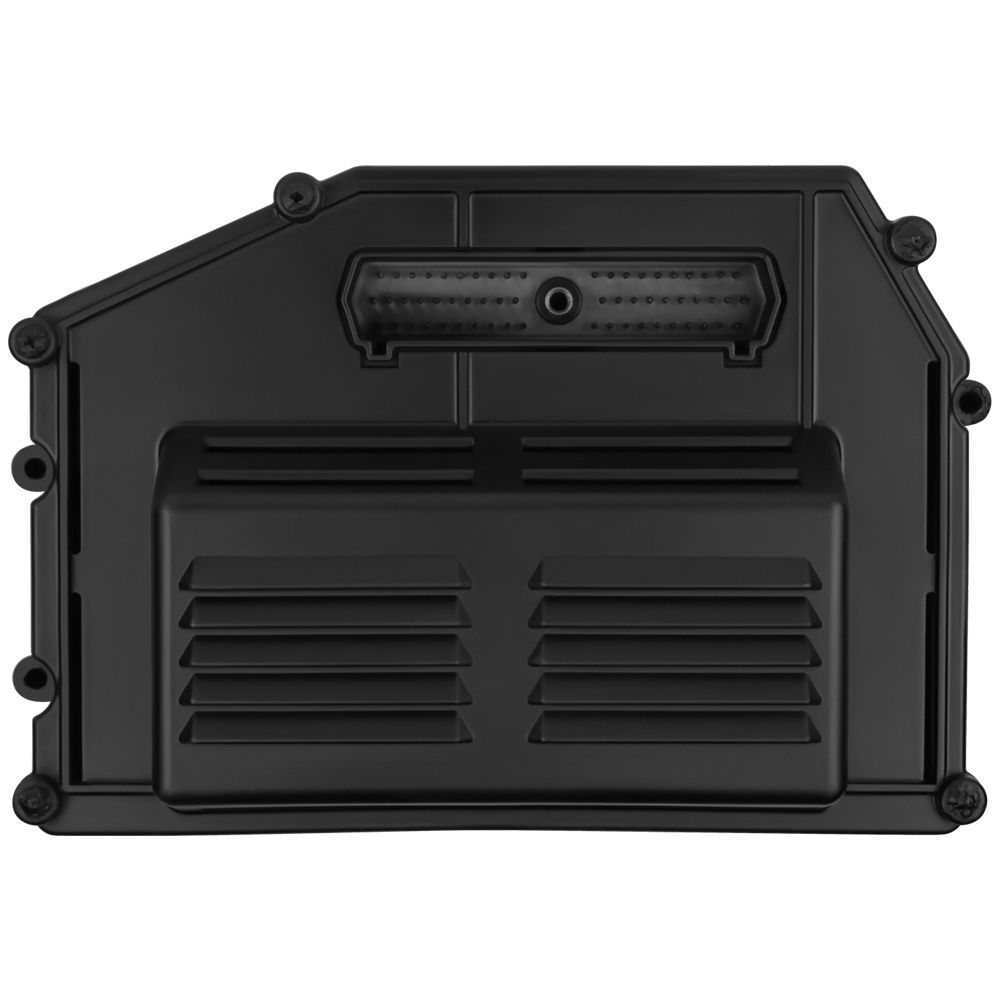
Flagship One stocks a refurbished, VIN-programmed PCM for the 1993 Dodge Ram Van with a lifetime warranty, free shipping and no core charge. The full Dodge Ram Van module lineup covers other engine configurations as well.
The Powertrain Control Module is essential for the proper operation of your 1993 Dodge Ram Van. Whether you opt for a new or refurbished unit, ensuring the correct relearn procedure is completed will help return your van to dependable performance. Contact a qualified technician to discuss the best solution for your situation.