
Last updated on August 25th, 2026 at 12:52 pm
The Engine Control Module (ECM) in your 1992 Dodge Daytona manages fuel injection, ignition timing, and idle control for the 2.2L engine. Failures may cause hard starting, stalling, or poor performance due to internal circuit degradation or connector corrosion.
If your 1992 Dodge Daytona has been acting up—stalling at stops, refusing to start, or running rough—your engine computer may be the culprit. This vehicle uses an early Engine Control Module (ECM) to manage fuel delivery, ignition timing, and idle stability for its 2.2L engine. Unlike modern OBD-II systems, this pre-OBD-II setup relies on simpler but still critical electronics that can degrade over time. Replacing the ECM isn’t just about swapping a box; it involves careful installation and, in some cases, programming to match your vehicle’s specific calibration. Understanding the role of this module, where it’s located, and what to expect during replacement can save you time and frustration. Whether you’re diagnosing a no-start issue or planning preventive maintenance, knowing how this system works will help you make informed decisions about repairs and avoid unnecessary complications down the road.
1992 Dodge Daytona 2.2L
OEM programmed ECM for your 1992 Dodge Daytona 2.2L — plug & play, no dealer visit.
Free shipping · Lifetime warranty
The ECM in your 1992 Dodge Daytona serves as the brain of the engine management system, controlling fuel injection, ignition timing, and idle speed for the 2.2L powerplant. This module processes inputs from sensors like the throttle position sensor, coolant temperature sensor, and oxygen sensor to optimize performance and emissions. Without a functioning ECM, your Daytona may struggle to start, run unevenly, or even shut off unexpectedly. Over time, internal components can wear out, or connectors may corrode, leading to intermittent or permanent failures. If replacement becomes necessary, you’ll need a unit that matches your vehicle’s original calibration. Replacement engine computers for the Dodge Daytona are designed to restore proper operation, but proper installation and programming are essential to ensure seamless performance. The ECM’s role is particularly critical in pre-OBD-II vehicles like yours, where diagnostics rely on manual troubleshooting rather than automated code readers.
After installing a new ECM in your 1992 Dodge Daytona, the factory procedure typically requires programming the module to match your vehicle’s VIN and calibration using a DRBIII scan tool. This step ensures the ECM communicates correctly with the engine’s sensors and actuators. However, a VIN-programmed replacement unit from Flagship One arrives pre-configured, eliminating the need for additional programming. This saves time and reduces the risk of errors during setup. If you’re using a non-programmed unit, you’ll need access to a DRBIII tool and the correct calibration files for your specific 2.2L engine. The process involves connecting the scan tool, entering the VIN, and uploading the appropriate software, which can take additional time and may require professional assistance if you’re unfamiliar with the procedure.
A failing ECM in your 1992 Dodge Daytona may cause a range of symptoms, often mimicking other mechanical or electrical issues. Common signs include a no-start condition, where the engine cranks but refuses to fire, or stalling shortly after startup. You might also notice erratic idle speeds, hesitation during acceleration, or poor fuel economy. In some cases, the vehicle may run roughly or misfire, particularly under load. Electrical gremlins like flickering dashboard lights or intermittent power loss can also point to ECM problems. Since this is a pre-OBD-II vehicle, you won’t see trouble codes displayed automatically, but a scan tool may reveal internal faults like memory checksum error if the ECM’s self-diagnostic capabilities are still functioning. If your Daytona exhibits any of these symptoms, it’s worth inspecting the ECM and its connectors for signs of trouble before assuming a more complex issue.
Chrysler issued service bulletin #18-037-05 to address flash programming failures during ECM replacement or updates on pre-OBD-II vehicles like your 1992 Dodge Daytona. The bulletin outlines recovery procedures using the DRBIII scan tool to restore proper module functionality if programming is interrupted or fails. This typically involves reattempting the programming sequence or, in some cases, replacing the ECM if the module becomes unresponsive. Following the bulletin’s steps can help avoid unnecessary module replacements and ensure successful programming when required.
| Bulletin | Subject | What It Addresses |
|---|---|---|
| 18-037-05 | 18-037-05 Flash Programming Failure Recovery Using DRBIII® | — |
Stalling at stops is often caused by a failing ECM, particularly if the module isn’t managing idle speed correctly. The ECM controls the idle air control valve, and if it malfunctions, the engine may not receive enough air to stay running. Check for vacuum leaks or sensor issues first, but if those are ruled out, the ECM may need replacement.
Yes, the ECM is accessible behind the dashboard, and replacement is straightforward if you’re comfortable with basic tools. However, you’ll need to ensure the new unit is programmed to your VIN or use a pre-programmed replacement to avoid additional setup steps. Disconnecting the battery before starting is critical to prevent electrical issues.
Sensor issues often produce specific symptoms, like a coolant temperature sensor causing hard starts in cold weather. If multiple sensors seem to fail simultaneously or the vehicle exhibits erratic behavior across different conditions, the ECM is more likely the culprit. A scan tool can help identify internal ECM faults if the module is still partially functional.
An unprogrammed ECM may not communicate with the engine’s sensors or actuators, leading to a no-start condition or poor performance. The vehicle may run erratically or not at all until the module is programmed with the correct VIN and calibration. Using a pre-programmed unit eliminates this risk.
Intermittent ECM failures can lead to sudden stalling or loss of power, which is unsafe, especially in traffic. If you notice symptoms like hesitation, rough idle, or no-start conditions, it’s best to address the issue promptly to avoid being stranded or causing further damage to the engine or electrical system.
If your 1992 Dodge Daytona is showing signs of ECM failure, you have options for repair or replacement. While some owners opt to refurbish their existing module, this may not address underlying issues like internal circuit degradation. A new or remanufactured ECM, particularly one pre-programmed to your VIN, offers a reliable solution without the hassle of additional programming steps. Given the age of these vehicles, ensuring your replacement unit is compatible and properly calibrated is key to restoring smooth operation.
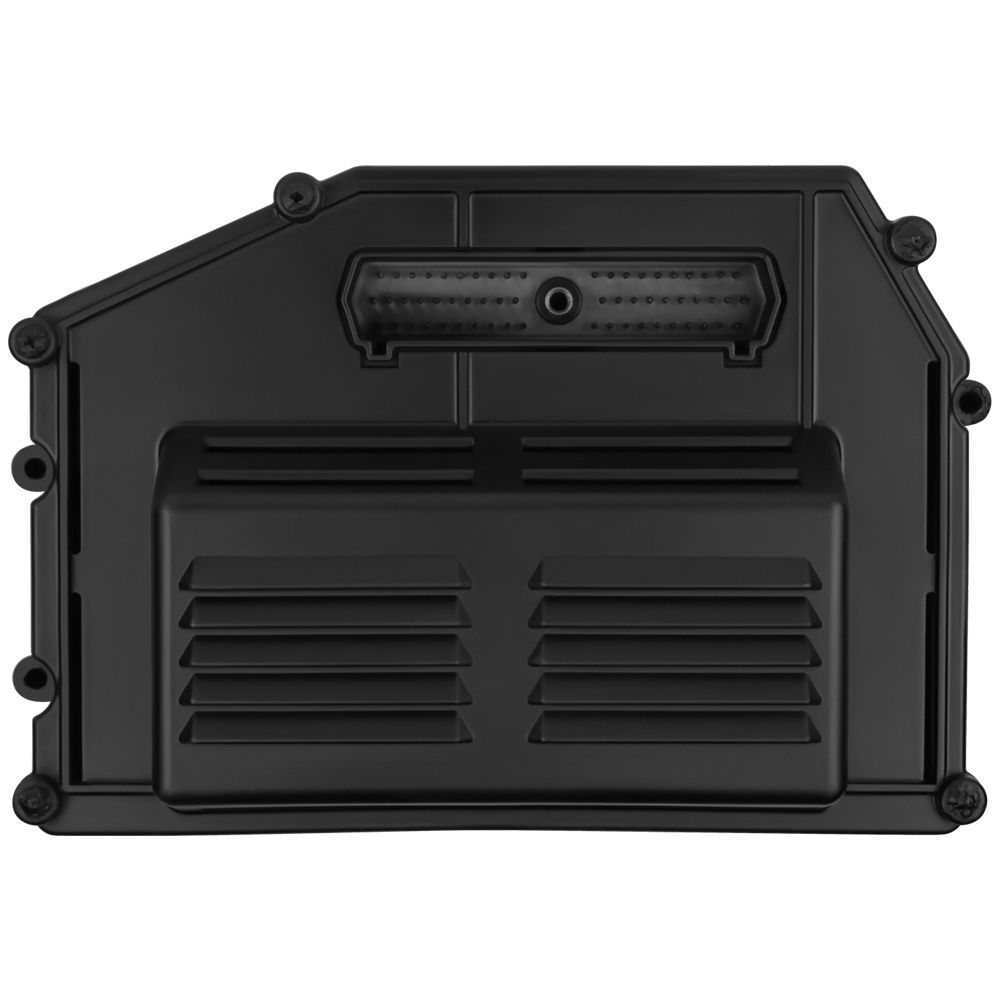
Flagship One stocks a refurbished, VIN-programmed ECM for the 1992 Dodge Daytona with a lifetime warranty, free shipping and no core charge. The full Dodge Daytona module lineup covers other engine configurations as well.
Your 1992 Dodge Daytona relies on its ECM to keep the 2.2L engine running smoothly, and recognizing the signs of failure early can save you from unexpected breakdowns. Whether you’re dealing with a no-start condition, stalling, or erratic performance, understanding the role of this module and the steps for replacement will help you make informed decisions. With proper care and a quality replacement unit, your Daytona can continue to deliver the dependable performance it was known for.