
Last updated on August 25th, 2026 at 12:52 pm
The Engine Control Module (ECM) in your 1990 Dodge Omni manages fuel delivery, ignition timing, and idle control for the 2.2L engine. Failure may cause erratic performance, stalling, or a no-start condition, often due to internal circuit degradation or corrosion in connectors.
If your 1990 Dodge Omni is experiencing unexplained stalling, rough idling, or difficulty starting, the Engine Control Module (ECM) may be the culprit. This small but critical component acts as the brain of your vehicle’s fuel and ignition systems, ensuring smooth operation. Over time, heat, vibration, and electrical wear can degrade its performance, leading to frustrating drivability issues. Replacing the ECM isn’t just about swapping a part—it involves careful installation and, in most cases, programming to match your vehicle’s specifications. Understanding the role of the ECM, recognizing failure symptoms, and knowing the replacement process can save you time and prevent unnecessary repairs. Whether you’re diagnosing a no-start condition or addressing intermittent misfires, this guide will help you navigate the complexities of your Omni’s engine management system with confidence.
1990 Dodge Omni 2.2L
OEM programmed ECM for your 1990 Dodge Omni 2.2L — plug & play, no dealer visit.
Free shipping · Lifetime warranty
The Engine Control Module (ECM) in your 1990 Dodge Omni is responsible for regulating the 2.2L engine’s fuel injection, ignition timing, and idle speed. It continuously monitors inputs from sensors like the throttle position, coolant temperature, and oxygen sensor to adjust air-fuel mixture and spark timing for optimal performance. Without a functioning ECM, your vehicle may struggle to start, run erratically, or fail to maintain consistent power. Because this module is specific to the Omni’s engine and emissions setup, it must be correctly matched to your vehicle’s configuration. If the ECM fails, you’ll need replacement engine computers for the Dodge Omni to restore proper engine operation. The module’s location and design reflect its importance—it’s positioned to minimize exposure to extreme heat or moisture, but age and electrical stress can still lead to internal faults over time.
After installing a new ECM in your 1990 Dodge Omni, the factory procedure requires programming the module to recognize your vehicle’s specific calibration. This typically involves using a diagnostic tool to input the VIN and engine parameters, ensuring the ECM adjusts fuel and ignition settings correctly. However, Flagship One replacement units arrive a VIN-programmed replacement unit, eliminating the need for this step. This means you can install the module and drive your Omni immediately, without additional setup or dealer visits. The pre-programming process ensures compatibility with your vehicle’s emissions and performance requirements, reducing the risk of drivability issues after installation.
A failing ECM in your 1990 Dodge Omni may cause a range of symptoms that can mimic other mechanical or electrical problems. One of the most common signs is a no-start condition, where the engine cranks but fails to fire, often due to incorrect fuel or spark signals. Stalling or rough idling may occur, particularly when the engine is warm, as the ECM struggles to maintain stable air-fuel ratios. Misfires can also develop, leading to hesitation or jerking during acceleration, which may feel like a transmission issue but stems from improper ignition timing. Poor fuel economy is another red flag, as the ECM’s inability to optimize fuel delivery can result in excessive fuel consumption. In some cases, the vehicle may enter a limp-home mode, limiting engine power to prevent damage. If the ECM’s internal memory is corrupted, you might notice an internal control module memory check error, which can trigger the check engine light and affect performance. Dead communication with a scan tool is another telltale sign, as the ECM may fail to respond to diagnostic requests. Because these symptoms can overlap with other issues, such as sensor failures or wiring problems, it’s important to rule out simpler causes before replacing the ECM.
Start by checking for consistent symptoms like stalling, misfires, or a no-start condition. If multiple sensors (e.g., coolant temperature, oxygen sensor) are failing simultaneously, the ECM may be the root cause. A scan tool can help verify if the ECM is communicating properly or if it’s logging internal faults.
Testing the ECM directly requires specialized equipment to check for proper voltage signals and internal circuit function. However, you can perform basic checks like inspecting the wiring harness for damage or corrosion and ensuring the battery voltage is stable. If these checks pass but symptoms persist, the ECM may need replacement.
A used ECM may work, but it depends on whether it was programmed for the same engine and emissions configuration as your Omni. Even if it fits, the module may require reprogramming to match your vehicle’s VIN and calibration, which can be a hassle without the right tools.
Heat can exacerbate internal faults in the ECM, such as cracked solder joints or degraded circuits. When the module overheats, it may send incorrect signals to the fuel injectors or ignition system, causing the engine to stall. This is a common sign of an aging ECM that may need replacement.
Driving with a failing ECM can be unpredictable. While the vehicle may run intermittently, sudden stalling or loss of power could occur, especially in traffic. If the ECM is causing misfires or poor fuel economy, prolonged driving may also lead to additional engine or catalytic converter damage.
If your 1990 Dodge Omni is showing signs of ECM failure, you have a few options. Repairing the existing module is rarely cost-effective, as internal faults often require specialized equipment and expertise. A refurbished or new replacement ECM, pre-programmed to your vehicle’s specifications, offers a reliable solution without the hassle of post-installation programming. Given the Omni’s age, ensuring the replacement unit is correctly matched to your engine and emissions setup is critical for restoring performance and drivability.
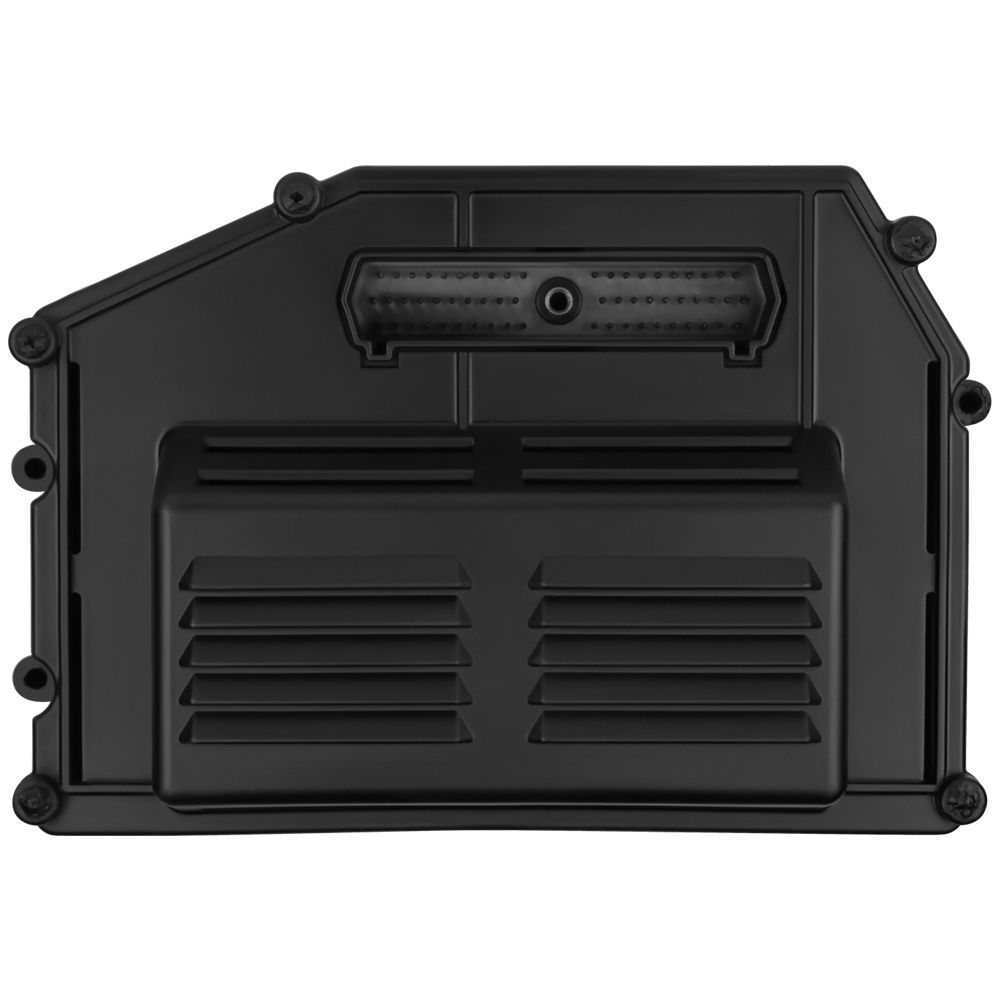
Flagship One stocks a refurbished, VIN-programmed ECM for the 1990 Dodge Omni with a lifetime warranty, free shipping and no core charge. The full Dodge Omni module lineup covers other engine configurations as well.
The ECM in your 1990 Dodge Omni plays a vital role in keeping your 2.2L engine running smoothly. Recognizing the signs of failure—such as stalling, misfires, or a no-start condition—can help you address issues before they leave you stranded. Whether you opt for a replacement unit or troubleshoot further, understanding the ECM’s function and installation process ensures you’re prepared for the repair. With the right approach, you can restore your Omni’s reliability and enjoy worry-free driving.