
Last updated on August 25th, 2026 at 12:56 pm
The engine control module (ECM) in your 2016 Audi TTS manages fuel injection, ignition timing, and emissions systems. A faulty ECM may cause erratic engine behavior, poor performance, or complete failure to start, often triggered by voltage spikes or corrosion.
If your 2016 Audi TTS has been experiencing unexplained stalling, rough idling, or a refusal to start, the engine control module (ECM) may be the culprit. This small but critical computer oversees everything from fuel delivery to ignition timing, ensuring your turbocharged 2.0L engine runs smoothly. When it fails, the symptoms can range from subtle performance hiccups to a complete breakdown. Replacing the ECM isn’t just about swapping hardware—it involves precise installation and programming to match your vehicle’s specifications. Understanding the process helps you avoid unnecessary delays and ensures your Audi returns to its responsive, high-performance state. Whether you’re a DIY enthusiast or relying on a shop, knowing what’s involved in ECM replacement and reprogramming can save time and frustration. This guide covers the essentials, from identifying symptoms to the steps required for a successful repair.
2016 Audi TTS
OEM programmed ECM for your 2016 Audi TTS — plug & play, no dealer visit.
Free shipping · Lifetime warranty
The engine control module in your 2016 Audi TTS acts as the brain of the engine, continuously monitoring sensors and adjusting fuel injection, ignition timing, and turbocharger boost to optimize performance and efficiency. Without a properly functioning ECM, your vehicle may struggle to start, idle erratically, or fail emissions tests. This module also communicates with other systems, such as the transmission and stability control, ensuring seamless operation. When the ECM malfunctions, it often triggers warning lights on the dashboard and may store trouble codes related to misfires, sensor failures, or communication errors. Replacing it requires careful handling, as the module must be precisely calibrated to your Audi’s specifications. Replacement engine computers for the Audi TTS are designed to integrate seamlessly with your vehicle’s existing systems, but proper installation and programming are critical to restoring full functionality. The ECM’s role is especially important in turbocharged engines like yours, where precise control over air-fuel ratios and boost pressure directly impacts power delivery and drivability.
The engine control module in your 2016 Audi TTS is located in the engine bay, typically mounted near the firewall or on the driver’s side strut tower. Accessing it involves removing a protective cover and disconnecting the battery to prevent electrical issues. Replacement requires unbolting the old module, disconnecting the wiring harness, and installing the new unit. The labor time for removing and reinstalling the ECM is typically 0.9 hours, according to factory guidelines. While the physical swap is straightforward, proper torque on the mounting bolts is essential to avoid damage or poor connections. After installation, the battery must be reconnected, and the vehicle may require a relearn procedure to synchronize the new module with the engine’s sensors and systems. Skipping this step may result in poor performance or even a no-start condition.
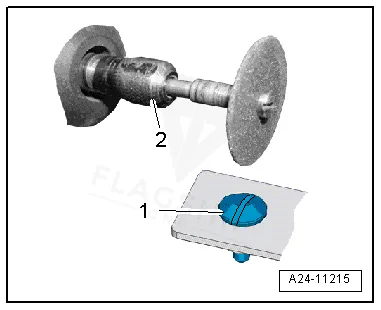
Work with the ignition off, and treat the module as static-sensitive: avoid touching the connector pins at any point.
| Operation | Configuration | Book Time |
|---|---|---|
| Powertrain Control Module R&R | All configurations | 0.9 hr |
| Powertrain Control Module Relearn | All configurations | 0.5 hr |
| Engine Control Module Relearn | All configurations | 0.5 hr |
| Engine Control Module Reset | All configurations | 0.3 hr |
| Engine Control Module R&R | All configurations | 0.9 hr |
After replacing the engine control module in your 2016 Audi TTS, the factory procedure requires a relearn or reset process to ensure the new unit communicates correctly with the engine and other vehicle systems. This typically involves a 0.5-hour relearn procedure or a 0.3-hour reset, depending on the specific requirements of your Audi’s software. Without this step, the vehicle may exhibit poor drivability, stalling, or failure to start. Flagship One units arrive as a VIN-programmed replacement unit, meaning they are pre-configured to your vehicle’s specifications before shipment. This eliminates the need for dealer reprogramming, saving time and reducing the risk of compatibility issues. However, it’s still important to follow any additional steps, such as battery reconnection or ignition cycling, to ensure the new ECM integrates smoothly with your Audi’s systems.
A failing engine control module in your 2016 Audi TTS may cause a variety of symptoms, ranging from subtle drivability issues to complete engine failure. One of the most common signs is a no-start condition, where the engine cranks but refuses to fire. Stalling or rough idling, especially during warm-up or under load, may also indicate ECM problems. Misfires, often accompanied by trouble codes like internal control module memory checksum error, can trigger the check engine light and reduce performance. Other symptoms include poor throttle response, erratic shifting in automatic transmissions, or even a complete loss of communication with scan tools. In some cases, the vehicle may enter a limp-home mode, limiting power to prevent further damage. If you notice any of these issues, it’s important to diagnose the ECM promptly, as prolonged operation with a faulty module can lead to additional problems, such as fuel system damage or catalytic converter failure.
Common signs include a no-start condition, stalling, rough idling, or the check engine light illuminating with misfire or module-related codes. If the vehicle struggles to communicate with a scan tool, the ECM may be the issue. A professional diagnosis can confirm whether replacement is necessary.
While the physical replacement is straightforward, it requires careful handling and proper programming. If you’re not experienced with automotive electronics, it’s best to have a professional perform the installation and relearn procedures to avoid complications.
The relearn process ensures the new ECM synchronizes with the engine’s sensors, fuel system, and other vehicle modules. Without it, the engine may run poorly or fail to start. Factory procedures typically require 0.5 hours for this step.
Skipping the reprogramming or relearn process may result in poor engine performance, stalling, or a no-start condition. The vehicle may also enter limp-home mode, limiting power to prevent damage. Pre-programmed units eliminate this step but may still require ignition cycling.
Yes, a failing ECM can lead to additional problems, such as fuel system damage, catalytic converter failure, or even engine damage due to improper air-fuel ratios. Addressing ECM issues promptly can prevent costly repairs down the line.
If your 2016 Audi TTS is experiencing ECM-related issues, you have options for repair or replacement. While a dealership may offer a new unit, a refurbished or remanufactured ECM can provide a cost-effective alternative without sacrificing reliability. Flagship One units are pre-programmed to your VIN, eliminating the need for dealer reprogramming and ensuring a smooth installation. Whether you choose to tackle the replacement yourself or rely on a professional, understanding the process helps you make an informed decision and get your Audi back on the road quickly.
Flagship One stocks a refurbished, VIN-programmed PCM for the 2016 Audi TTS with a lifetime warranty, free shipping and no core charge. The full Audi TTS module lineup covers other engine configurations as well.
The engine control module in your 2016 Audi TTS plays a critical role in ensuring smooth performance and drivability. If you’re facing symptoms like stalling, misfires, or a no-start condition, addressing the ECM promptly can prevent further complications. Whether you opt for a new or refurbished unit, proper installation and programming are key to restoring your vehicle’s reliability. With the right approach, your Audi TTS can continue delivering the responsive, high-performance driving experience it was designed for.