
Last updated on August 25th, 2026 at 12:20 pm
The Powertrain Control Module (PCM) in the 2009 Mercury Mariner Hybrid manages engine and transmission functions, optimizing performance and fuel efficiency. A failing PCM may cause drivability issues, warning lights, or communication errors with diagnostic tools.
If your 2009 Mercury Mariner Hybrid is experiencing unexplained stalling, rough idling, or transmission shifting issues, the Powertrain Control Module (PCM) may be the culprit. This critical component acts as the brain of your vehicle’s powertrain, coordinating engine performance and transmission behavior to deliver smooth acceleration and optimal fuel economy. When the PCM begins to fail, it can trigger a range of symptoms that disrupt your driving experience, from illuminated warning lights to erratic engine behavior. Understanding the role of the PCM, how to identify potential failures, and what replacement entails can help you make informed decisions about repairs. With labor times for replacement and relearn procedures both clocking in at 0.5 hours, addressing PCM issues promptly can save you time and frustration on the road.
In the 2009 Mercury Mariner Hybrid, the Powertrain Control Module (PCM) serves as the central control unit for both the engine and transmission, ensuring seamless communication between these systems. It monitors inputs from various sensors, such as throttle position, oxygen levels, and vehicle speed, to adjust fuel delivery, ignition timing, and shift points in real time. This coordination is particularly important in a hybrid vehicle, where the PCM must balance power from the gasoline engine and electric motor for optimal efficiency. A malfunctioning PCM can lead to poor fuel economy, reduced power, or even prevent the vehicle from starting. When replacement becomes necessary, replacement powertrain control modules for the Mariner Hybrid are designed to integrate smoothly with the vehicle’s existing systems, though proper programming is essential to restore full functionality.
Engine computer (ECM/PCM)
OEM programmed replacements — plug & play, no dealer visit.
Find yours by year, make & model →
Free shipping · Lifetime warranty
The Powertrain Control Module in the 2009 Mercury Mariner Hybrid is typically located in the engine compartment, mounted near the firewall or on the driver’s side fender well. Accessing the module involves removing a protective cover or bracket, which may require basic hand tools. Once exposed, the PCM is secured with bolts or screws and connected via a wiring harness. Replacement involves disconnecting the battery to prevent electrical shorts, unplugging the harness, and removing the fasteners. Installation of the new unit follows the reverse process, ensuring all connections are secure and the module is properly seated. Labor time for removal and reinstallation is 0.5 hours, with an additional 0.5 hours allocated for the relearn procedure to synchronize the module with the vehicle’s systems.
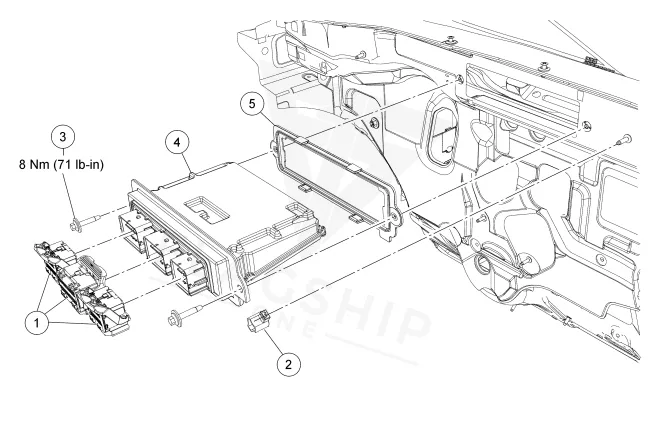
Work with the ignition off, and treat the module as static-sensitive: avoid touching the connector pins at any point.
| Operation | Configuration | Book Time |
|---|---|---|
| Engine Control Module Relearn | All configurations | 0.5 hr |
| Engine Control Module R&R | All configurations | 0.5 hr |
| Powertrain Control Module R&R | All configurations | 0.5 hr |
| Powertrain Control Module Relearn | All configurations | 0.5 hr |
After replacing the Powertrain Control Module in your 2009 Mercury Mariner Hybrid, the factory procedure requires reprogramming the PATS (Passive Anti-Theft System) to ensure the vehicle starts and operates securely. This step is critical, as the PATS system prevents unauthorized engine starts by validating the key’s transponder signal. Without proper initialization, the vehicle may crank but fail to start, leaving you stranded. Additionally, the PCM must undergo a relearn process to adapt to the vehicle’s specific parameters, such as fuel trim and transmission shift patterns. A VIN-programmed replacement unit from Flagship One arrives pre-configured to your vehicle’s specifications, eliminating the need for on-site programming and reducing the risk of compatibility issues. This ensures a smoother installation process and quicker return to the road.
A failing Powertrain Control Module in the 2009 Mercury Mariner Hybrid may manifest in several ways, often starting with subtle drivability issues before escalating to more severe problems. Common symptoms include intermittent stalling, especially at idle or during deceleration, which can make the vehicle feel unreliable in stop-and-go traffic. You may also notice rough idling, where the engine runs unevenly or vibrates excessively, or hesitation during acceleration, as if the vehicle is struggling to deliver power. Transmission shifting issues, such as delayed or harsh engagements, are another red flag, particularly in hybrid models where the PCM plays a key role in coordinating the gasoline engine and electric motor. Warning lights, such as the check engine or hybrid system warning, may illuminate on the dashboard, often accompanied by trouble codes like transmission shift solenoid performance. In some cases, the vehicle may fail to start altogether, or the engine may crank but not fire, indicating a communication breakdown between the PCM and other critical systems.
Ford has issued service bulletins addressing specific issues in the 2009 Mercury Mariner Hybrid that may involve the Powertrain Control Module. TSB #09-19-05 covers transmission-related faults, including DTCs P0770, P0772, P0773, and P0774, which were reported in vehicles built between September 8, 2008, and September 26, 2008. These codes are associated with erratic shifting or harsh engagements, often accompanied by an illuminated malfunction indicator lamp (MIL). Another bulletin, TSB #10-18-03, addresses hybrid system faults, including DTCs P013A, P0030, P0130, and P0400, which may indicate issues with oxygen sensors or exhaust gas recirculation (EGR) systems. While these bulletins do not always implicate the PCM directly, they highlight areas where the module’s performance may be affected by related system failures.
| Bulletin | Subject | What It Addresses |
|---|---|---|
| 09-19-05 | 6F35 TRANSMISSION, DTC- P0770, P0772, P0773, P0774 – BUILT 9/8/2008 TO 9/26/2008 – ERRATIC SHIF | — |
| 10-18-03 | HYBRID – MIL ON DTCS P013A, P0030, P0130 AND/OR P0400 | — |
Intermittent stalling in your Mariner Hybrid may be caused by a failing Powertrain Control Module. The PCM manages engine and transmission functions, and when it malfunctions, it can disrupt fuel delivery or ignition timing, leading to stalling. A diagnostic scan can help identify if the PCM is the root cause.
Signs that your PCM may need replacement include persistent check engine lights, trouble codes related to engine or transmission performance, rough idling, or failure to start. If basic diagnostics rule out other issues, the PCM may be the culprit.
The PATS (Passive Anti-Theft System) is a security feature that prevents unauthorized engine starts by validating the key’s transponder signal. After PCM replacement, the PATS must be reprogrammed to recognize the new module and allow the vehicle to start. This step is critical for proper operation.
Driving with a failing PCM is not recommended, as it can lead to unpredictable behavior, such as stalling, transmission shifting issues, or even a no-start condition. Addressing PCM problems promptly can prevent further damage to the vehicle’s systems.
PCM failure can result from electrical issues, such as voltage spikes, corrosion in connectors, or exposure to moisture. Over time, heat and vibration can also degrade the module’s internal components, leading to malfunction. Regular maintenance can help mitigate these risks.
If your 2009 Mercury Mariner Hybrid is exhibiting symptoms of PCM failure, you have options for repair or replacement. While a dealership may offer a new unit, a refurbished replacement can provide a cost-effective alternative without sacrificing reliability. Given the labor times of 0.5 hours for both removal and relearn procedures, addressing the issue promptly can minimize downtime and restore your vehicle’s performance. A pre-programmed unit ensures compatibility and eliminates the need for additional programming steps, making the process smoother and more efficient.
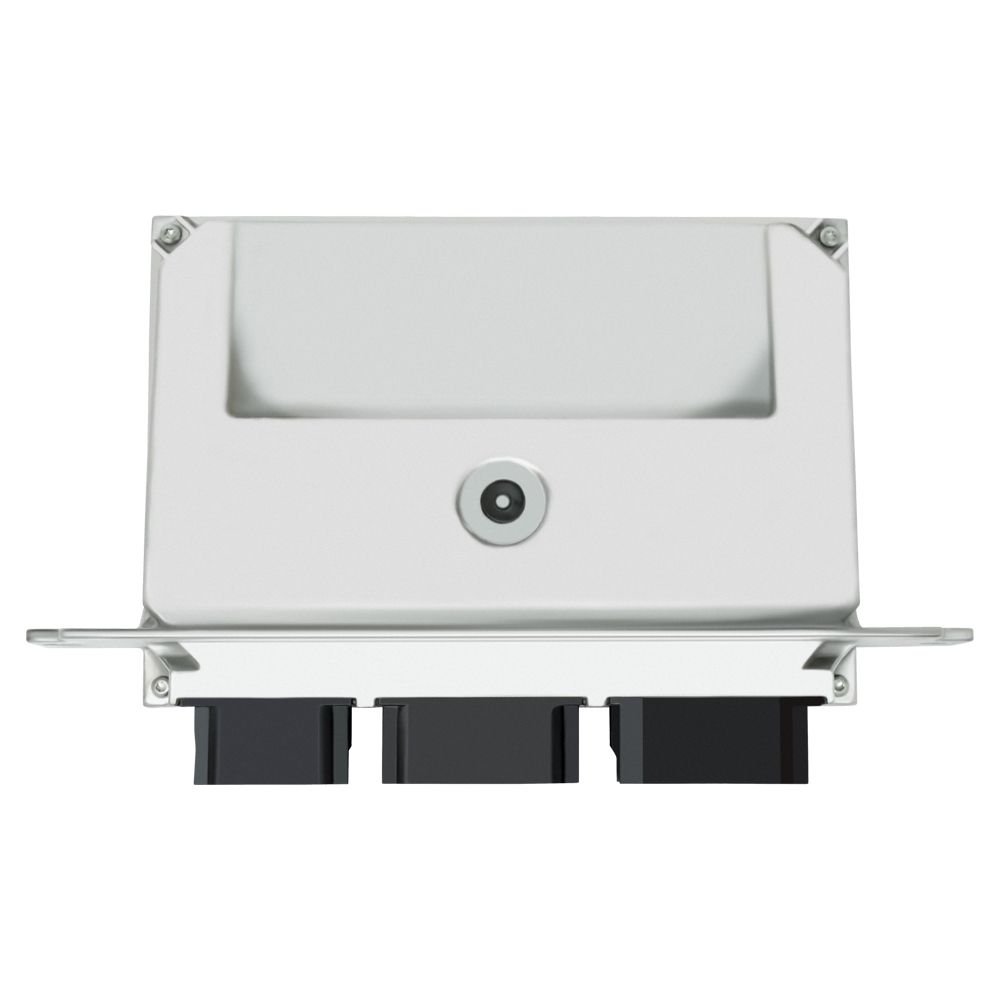
Flagship One stocks a refurbished, VIN-programmed PCM for the 2009 Mercury Mariner Hybrid with a lifetime warranty, free shipping and no core charge. The full Mercury Mariner Hybrid module lineup covers other engine configurations as well.
The Powertrain Control Module is a vital component in your 2009 Mercury Mariner Hybrid, overseeing engine and transmission functions to ensure smooth operation. Recognizing the signs of PCM failure early can help you avoid more severe issues down the road. Whether you opt for a repair or replacement, addressing the problem promptly will keep your hybrid running efficiently and reliably. With the right approach, you can restore your vehicle’s performance and enjoy worry-free driving.