
Last updated on August 25th, 2026 at 01:04 pm
The Powertrain Control Module (PCM) in your 1993 Mercury Cougar is the primary computer that manages engine timing, fuel delivery, and transmission shifting. As a pre-OBD-II vehicle, this module uses older architecture without standardized diagnostic trouble codes, making failure diagnosis more challenging.
If your 1993 Mercury Cougar is experiencing starting problems, stalling, or transmission irregularities, the Powertrain Control Module may be the culprit. This guide explains what the PCM does in your specific vehicle, common failure symptoms, replacement procedures, and your repair options. The 1993 Mercury Cougar equipped with the 3.8L V6 engine represents an era before standardized OBD-II diagnostics, which means module failures present unique challenges for DIY mechanics and professional technicians alike. Understanding how this central computer operates and what to expect from replacement will help you make informed decisions about repairs. Whether you are troubleshooting a no-start condition or planning preventive maintenance, this article provides the technical background you need to understand your vehicle’s complex electrical system.
The Powertrain Control Module in your 1993 Mercury Cougar 3.8L serves as the central nervous system for the vehicle’s powertrain. This computer manages critical functions including engine fuel injection timing, ignition spark advance, idle air control, and automatic transmission shift points. Unlike modern vehicles that separate these functions into distinct modules, the 1993 design uses a single unit controlling both engine and transmission operations. The module receives input from numerous sensors throughout the engine compartment, processing data from the throttle position sensor, coolant temperature sensor, mass air flow sensor, and vehicle speed sensor to make real-time adjustments to powertrain operation. Why does this matter? When the PCM begins to fail, multiple systems can be affected simultaneously, causing symptoms that might otherwise point to individual sensor failures. The module stores calibration data specific to your vehicle’s engine displacement and transmission gearing, making replacement more complex than simply swapping in a generic unit. Finding quality replacement engine computers for the Mercury Cougar requires sourcing units programmed with the correct vehicle identification number and calibration data to ensure proper operation.
Flagship One keeps Mercury Cougar replacement engine computers in stock for exactly this failure pattern.
1993 Mercury Cougar
OEM programmed ECM for your 1993 Mercury Cougar — plug & play, no dealer visit.
Free shipping · Lifetime warranty
Work with the ignition off, and treat the module as static-sensitive: avoid touching the connector pins at any point.
| Operation | Configuration | Book Time |
|---|---|---|
| Powertrain Control Module R&R | 3.8L | 1.0 hr |
| Powertrain Control Module R&R | 5.0L | 1.0 hr |
| Powertrain Control Module Relearn | All configurations | 0.5 hr |
| Engine Control Module R&R | 3.8L | 1.0 hr |
| Engine Control Module R&R | 5.0L | 1.0 hr |
After replacing the Powertrain Control Module in your 1993 Mercury Cougar 3.8L, the factory service procedure requires a relearn procedure to establish communication between the new module and the vehicle’s sensors. This procedure involves connecting a compatible scan tool to the diagnostic connector and initiating the PCM replacement routine, which allows the module to learn idle air control values, fuel trims, and transmission adaptive shift points. Without this step, the vehicle may run roughly, stall at idle, or exhibit harsh shifting until the computer completes its learning cycle naturally over several drive cycles. The good news is that Flagship One units arrive VIN-programmed so those steps are already done. This means your replacement module arrives pre-programmed with your specific vehicle identification number and the correct calibration for the 3.8L engine, eliminating the need for dealership programming fees. You still need to perform the basic electrical connection and battery reconnection, but the module will typically recognize your vehicle systems immediately upon first startup.
Every VIN-programmed replacement unit from Flagship One arrives with these steps already completed.
When the Powertrain Control Module fails on your 1993 Mercury Cougar 3.8L, the vehicle may exhibit several distinct patterns that help distinguish module failure from other issues. The most dramatic symptom is a complete no-start condition where the engine will not crank at all, or cranks but receives no fuel or spark despite the battery and starter being sound. Intermittent stalling while driving, especially under load or when the engine is warm, frequently indicates module electronics beginning to fail. Rough idle that is not resolved by adjusting throttle body or replacing spark plugs often points to PCM-related fuel delivery problems. Transmission symptoms may include harsh shifting, failure to shift into overdrive, or the transmission staying in a single gear. On scan tools, technicians may notice that the tool cannot establish communication with the PCM at all, or that communication is intermittent. Some vehicles experience complete electrical system failure where multiple gauges and accessories stop working simultaneously. These symptoms often appear gradually as internal circuit traces corrode or solder joints crack from thermal cycling over the vehicle’s life.
No. The PCM must be matched to your specific vehicle identification number and engine combination. Using a unit from a different vehicle, even one with the same engine size, may cause running problems or no-start conditions due to different calibration data stored in the module.
Yes, mechanically skilled DIYers can perform the replacement using basic hand tools. The electrical connector release clips can be fragile, so gentle handling is important. However, you will need a scan tool or access to a professional for the relearn procedure after installation.
Your 1993 Mercury Cougar 3.8L uses a unified Powertrain Control Module that handles both engine and transmission functions. This integrated design is typical of Ford vehicles from this era, combining what later vehicles separated into distinct modules.
Common causes include heat cycling over many years, moisture intrusion through connector seals, voltage spikes from charging system problems, and physical damage from accidents or water exposure. Age is the primary factor — modules from this era are now over thirty years old.
This depends on the vehicle’s overall condition. If the Cougar is in good physical shape with no major rust or transmission issues, replacing the PCM makes economic sense. For vehicles with significant wear or damage, the repair cost may exceed the vehicle’s value.
When your 1993 Mercury Cougar 3.8L requires a new Powertrain Control Module, you have two primary paths: repair the existing module through a specialized electronics service, or install a replacement unit pre-programmed with your VIN. Electronics repair can be cost-effective for minor trace corrosion but carries no warranty compared to new or refurbished replacements. A VIN-programmed replacement from Flagship One arrives ready to install, eliminating programming delays and ensuring the calibration matches your specific vehicle. Consider your budget, timeline, and long-term plans for the vehicle when making this decision.
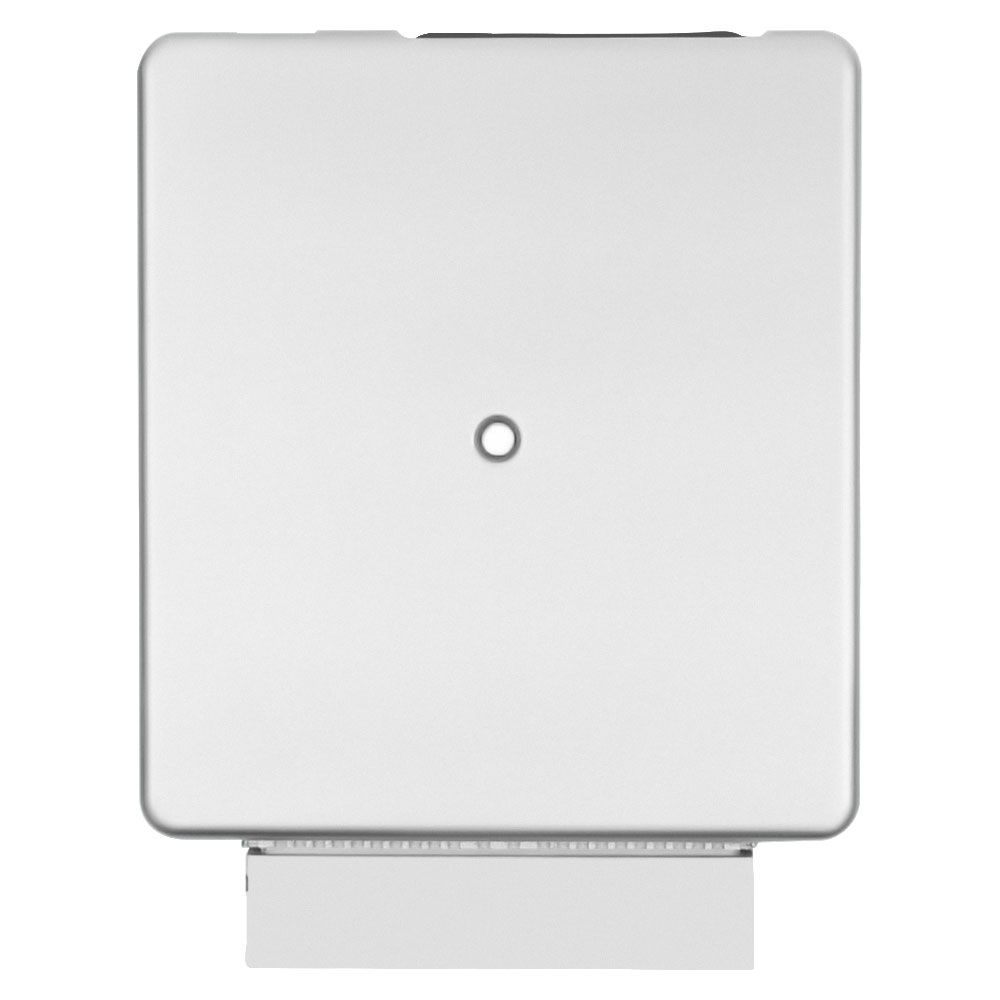
Flagship One stocks a refurbished, VIN-programmed PCM for the 1993 Mercury Cougar with a lifetime warranty, free shipping and no core charge. The full Mercury Cougar module lineup covers other engine configurations as well.
The 1993 Mercury Cougar 3.8L relies on its Powertrain Control Module for reliable operation, and module failure need not mean the end of this classic vehicle. Understanding the symptoms, replacement procedures, and programming requirements helps you make informed repair decisions. Whether you choose professional installation or tackle the job yourself, a properly programmed replacement module restores your Cougar’s driveability and reliability for years to come.