
Last updated on August 25th, 2026 at 01:05 pm
The engine control module (ECM) in your 1990 Mercury Cougar manages fuel delivery, ignition timing, and emissions systems. Failures may cause hard starts, stalling, or poor drivability. Since this vehicle predates OBD-II, diagnostics rely on physical symptoms rather than standardized trouble codes.
If your 1990 Mercury Cougar is experiencing unexplained stalling, hard starts, or erratic engine behavior, the engine control module (ECM) may be the culprit. This small but critical component manages fuel injection, ignition timing, and emissions systems. Replacing it requires careful handling, and the process varies slightly depending on whether your Cougar has a naturally aspirated or supercharged 3.8L engine. Understanding the labor involved, the symptoms of failure, and the benefits of a pre-programmed replacement can help you make an informed decision without unnecessary delays or additional costs.
The ECM in your 1990 Mercury Cougar acts as the brain of the engine, continuously adjusting fuel delivery and ignition timing to optimize performance and emissions. It relies on inputs from sensors throughout the vehicle to make real-time adjustments. When the ECM fails, you may notice symptoms like rough idling, stalling, or even a complete no-start condition. Since this vehicle uses a pre-OBD-II system, diagnosing issues often depends on physical symptoms rather than standardized trouble codes. Replacing the module with replacement engine computers for the Cougar ensures compatibility and restores proper engine function without the guesswork of aftermarket alternatives.
1990 Mercury Cougar
OEM programmed ECM for your 1990 Mercury Cougar — plug & play, no dealer visit.
Free shipping · Lifetime warranty
The ECM in your 1990 Mercury Cougar is typically located near the firewall on the passenger side of the engine bay. Replacement involves disconnecting the battery, removing the module’s electrical connector, and unbolting the unit from its mount. Labor times vary: 1.2 hours for naturally aspirated models and 0.8 hours for supercharged versions. The Powertrain Control Module (PCM) follows a similar process, with labor times of 1.1 hours for naturally aspirated engines and 0.8 hours for supercharged ones. No specialized tools are required, but care must be taken to avoid damaging the connector or mounting points during removal.
Work with the ignition off, and treat the module as static-sensitive: avoid touching the connector pins at any point.
| Operation | Configuration | Book Time |
|---|---|---|
| Engine Control Module R&R | Naturally Aspirated | 1.2 hr |
| Engine Control Module R&R | Supercharged | 0.8 hr |
| Powertrain Control Module R&R | Naturally Aspirated | 1.1 hr |
| Powertrain Control Module R&R | Supercharged | 0.8 hr |
| Powertrain Control Module Relearn | All configurations | 0.5 hr |
After installing a new ECM or PCM in your 1990 Mercury Cougar, the factory procedure requires a 0.5-hour relearn process to synchronize the module with the vehicle’s systems. This step ensures proper fuel delivery, ignition timing, and emissions control. However, a VIN-programmed replacement unit from Flagship One arrives pre-configured, eliminating the need for this additional labor. This not only saves time but also reduces the risk of incomplete synchronization, which can lead to persistent drivability issues.
Common signs of ECM failure in your 1990 Mercury Cougar include intermittent stalling, hard starting, or an engine that runs poorly at idle. You may also experience erratic shifting if the transmission relies on ECM signals. In some cases, the vehicle may fail to start at all, leaving you stranded. Since this is a pre-OBD-II vehicle, scan tools may not communicate with the ECM, making physical symptoms the primary diagnostic tool. If you notice these issues, especially in combination, the ECM may be the root cause and warrant replacement.
Ford issued a service bulletin (#93-12-09) addressing issues with digital electronic odometers and programmable speedometer/odometer modules in the 1990 Mercury Cougar. The bulletin outlines procedures for replacing these components with pre-set vehicle mileage to ensure accurate readings. While not directly related to the ECM, this bulletin highlights the importance of proper module programming and synchronization in older vehicles.
| Bulletin | Subject | What It Addresses |
|---|---|---|
| 93-12-09 | DIGITAL ELECTRONIC ODOMETERS – ELECTRONIC INSTRUMENT CLUSTERS, PROGRAMMABLE SPEEDOMETER/ODOMETE | — |
Symptoms like stalling, hard starting, or erratic idle often indicate ECM issues. Since this vehicle lacks OBD-II diagnostics, physical symptoms are the primary diagnostic tool. If these issues persist after checking sensors and wiring, the ECM may need replacement.
Replacement is straightforward if you’re comfortable with basic automotive repairs. The module is accessible in the engine bay, but care must be taken to avoid damaging connectors. A factory relearn procedure is required unless using a pre-programmed unit.
Labor times differ based on engine type. Naturally aspirated models require 1.2 hours, while supercharged versions take 0.8 hours. The Powertrain Control Module follows a similar pattern, with 1.1 hours for naturally aspirated engines and 0.8 hours for supercharged ones.
If your 1990 Mercury Cougar is showing signs of ECM failure, you have options. A repair may be possible, but replacement is often more reliable. A new or refurbished module from Flagship One arrives VIN-programmed, saving you the 0.5-hour relearn procedure and ensuring a smooth installation. This approach minimizes downtime and restores your vehicle’s performance quickly.
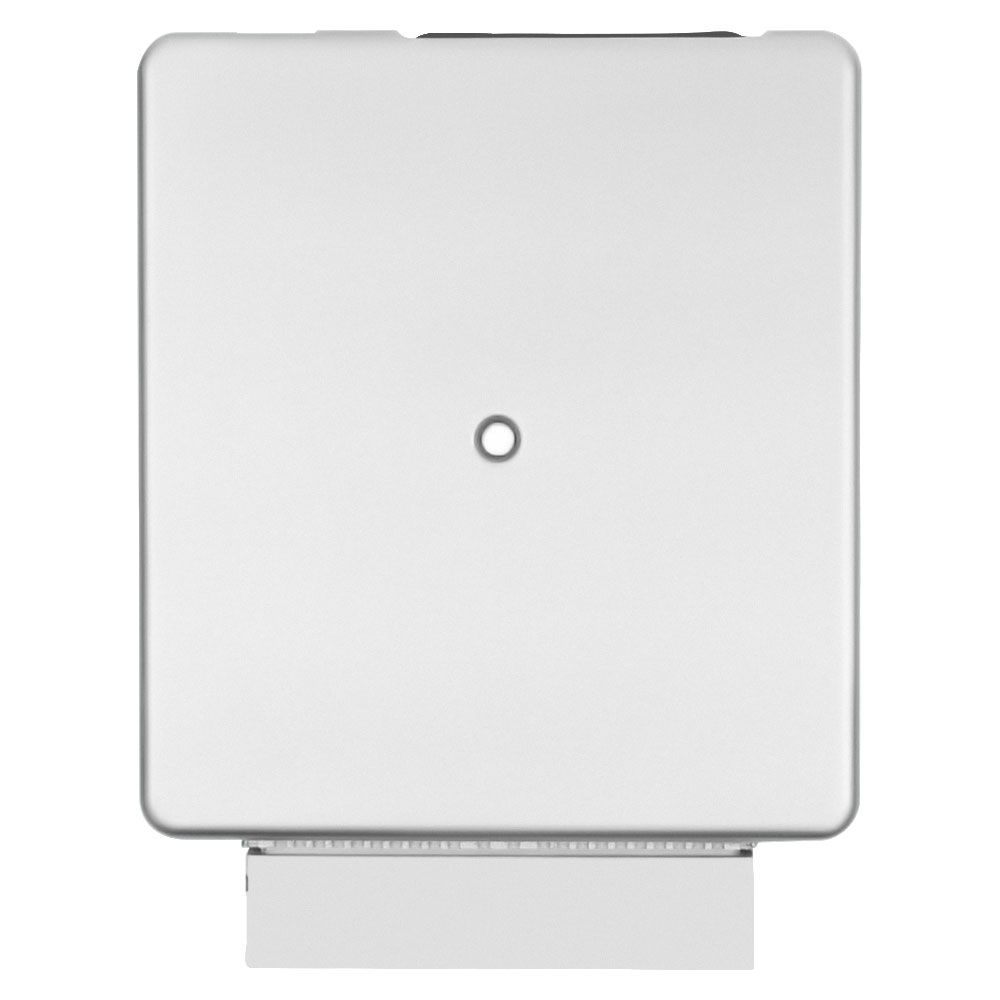
Flagship One stocks a refurbished, VIN-programmed PCM for the 1990 Mercury Cougar with a lifetime warranty, free shipping and no core charge. The full Mercury Cougar module lineup covers other engine configurations as well.
The ECM in your 1990 Mercury Cougar plays a critical role in engine performance. If you’re experiencing stalling, hard starts, or other drivability issues, a replacement may be necessary. Opting for a pre-programmed unit simplifies the process and gets you back on the road faster. Addressing these issues promptly can prevent further complications down the line.