
Last updated on August 25th, 2026 at 12:14 pm
The Powertrain Control Module manages engine functions in your 2000 Jeep Cherokee. Known as JTEC, this computer monitors sensors and adjusts fuel delivery. Failure often leads to no-start conditions or erratic shifting. Understanding its role helps diagnose performance losses accurately.
When your 2000 Jeep Cherokee exhibits persistent driveability concerns, the engine computer often becomes a primary suspect for diagnosis. You might notice hesitation during acceleration or unexpected stalls at idle conditions. These symptoms suggest the management system is struggling to process sensor data correctly within the network. Replacing the unit involves more than simple physical installation in the engine bay. Technical procedures require careful attention to factory specifications and labor guidelines. You need to understand the labor implications before starting work on the vehicle. Book times indicate distinct phases for removal and configuration separately. This guide explains what the module does and why proper setup matters for you. You will learn about the specific tools needed for initialization processes. Knowing these details helps you prepare for a successful repair event. Addressing the root cause ensures your vehicle returns to normal operation quickly. We focus on factual requirements rather than speculation about failures. Your goal is restoring reliable performance without unnecessary complications during service. Understanding the scope prevents delays during the service process at the shop. Many owners face confusion regarding the technical steps involved in swaps. The process differs from standard component swaps found in other systems. You must account for electronic integration within the engine bay fully. Security features often link the computer to vehicle identity numbers. Ignoring these protocols can result in a non-functional system after install. We outline the necessary procedures based on available service data records. This information helps you plan your repair strategy effectively. You gain clarity on what the shop will perform for you. Proper diagnosis saves time and money in the long run. Your vehicle depends on this central hub for daily operation needs. Ensuring compatibility is critical for long-term reliability of the engine. We provide the context needed to make informed decisions about repairs.
2000 Jeep Cherokee
OEM programmed ECM for your 2000 Jeep Cherokee — plug & play, no dealer visit.
Free shipping · Lifetime warranty
This computer serves as the brain for your 2000 Jeep Cherokee engine management system. It processes inputs from various sensors to control fuel injection and ignition timing. The system is referred to as JTEC within factory documentation and service manuals. Proper function ensures optimal power delivery and emissions compliance for standards. When this component fails, you may experience significant performance degradation. The unit constantly adjusts parameters to match driving conditions and load. Without accurate data processing, the engine cannot run efficiently or smoothly. You might encounter rough idling or poor fuel economy as a result. Maintenance of this system is vital for vehicle longevity and driving. Replacement engine computers for the 2000 Jeep Cherokee replacement computers for the Cherokee require specific attention to detail during selection. The architecture supports complex monitoring tasks essential for modern driving. Sensors report throttle position and oxygen levels continuously to the unit. The module interprets these signals to maintain stability under all conditions. Failure can disrupt communication across the entire network of vehicle systems. You rely on this hardware for consistent starting and running daily. Understanding its complexity highlights the need for precise handling during replacement. Incorrect installation may lead to further diagnostic challenges for your technician. Your vehicle depends on this integration for safe operation on highways. The design prioritizes real-time adjustment capabilities for engine parameters. This ensures the engine responds correctly to load changes. It manages the air fuel ratio precisely for combustion. Ignition spark timing is calculated based on load and speed. The system protects components from potential damage during operation cycles. You benefit from smoothed power delivery under varying driving conditions. Diagnostic trouble codes may store when limits are exceeded by sensors. These codes help technicians identify specific malfunction areas within the system. The module also controls idle speed stability automatically without input. Emissions systems rely on this data for regulatory adherence and testing. Your driving experience reflects the health of this unit directly. Consistent performance indicates proper electronic management is active and working. Neglecting signs of failure can lead to secondary issues elsewhere. The engine may enter a limp mode for protection of parts. This limits power to prevent catastrophic mechanical damage to the engine. You should address warnings promptly to avoid strandings on the road. The technology integrates deeply with fuel delivery systems for control. Precision is key for maintaining efficiency standards in this model. Your vehicle operates safely when this system functions well.
The physical location involves accessing the engine control unit within the bay. Service data lists specific labor units for this task. Removal of the Powertrain Control Module is allocated 0.5 hours. Replacing the Engine Control Module also carries a 0.5 hour estimate. Additionally, the Engine Control Module Relearn process requires 0.5 hours. These figures represent standard book times for the procedure. You should anticipate these durations when planning the repair work. Access typically involves disconnecting electrical harnesses carefully. Mounting hardware must be handled to avoid damage. The process separates physical swap from electronic configuration. Each step ensures the new unit integrates properly. You need to account for each labor operation separately. Total time depends on technician experience and shop workflow. Proper torque specifications apply to mounting bolts if listed. Connectors should lock securely to prevent vibration issues. Your vehicle requires this systematic approach for success. Skipping steps may result in communication errors later. The layout allows for straightforward removal once accessed.
Work with the ignition off, and treat the module as static-sensitive: avoid touching the connector pins at any point.
| Operation | Configuration | Book Time |
|---|---|---|
| Powertrain Control Module R&R | All configurations | 0.5 hr |
| Engine Control Module Relearn | All configurations | 0.5 hr |
| Engine Control Module R&R | All configurations | 0.5 hr |
Factory procedures mandate using the DRB scan tool for setup. You must reprogram the new unit with original data. The vehicle identification number needs entry during this process. Original vehicle mileage is also required for accuracy. This step ensures the computer matches your specific car. Skipping this configuration often leads to operational failures. The system verifies identity before allowing full function. Flagship One units arrive VIN-programmed so those steps are already done. This eliminates the need for onsite tool usage. You receive a VIN-programmed replacement unit VIN-programmed replacement unit ready for installation. This simplifies the repair process significantly. Technicians can focus on physical mounting instead. The risk of programming errors is reduced substantially. Your vehicle benefits from preconfigured electronic settings. Compatibility is verified before the part ships out. This approach saves time during the service appointment. You avoid potential complications with scan tool connectivity. The module operates correctly immediately after installation. Proper data entry is critical for security systems. Your peace of mind increases with preloaded information.
Common signs of module failure include unexpected engine stalling. You may experience a no-start condition during ignition attempts. Misfire codes often appear when management data is corrupt. Dead scan-tool communication indicates a total system loss. Shifting issues may arise in automatic transmission models. The engine might hesitate under heavy load conditions. Rough idling is another frequent complaint among owners. You could notice illuminated warning lights on the dashboard. Fuel economy often drops when calculations become inaccurate. Performance feels sluggish during acceleration maneuvers. The vehicle may enter a fail-safe mode unexpectedly. This limits speed to protect internal components. You might smell unburned fuel from the exhaust. Intermittent power loss can occur while driving. These symptoms suggest the computer is struggling to function. Diagnostic tools may fail to link with the system. Your vehicle becomes unreliable when these signs persist. Addressing the root cause prevents further damage to parts. The engine runs poorly without correct timing signals. You should investigate these issues before they worsen. Complete failure leaves the car inoperable completely. Regular checks help identify early warning signs. Your safety depends on consistent engine response. Electrical glitches can mimic mechanical problems closely. You might suspect sensors when the computer is at fault. Wiring harness corrosion often contributes to these failures. Moisture intrusion damages internal circuitry over time. Heat exposure weakens solder joints within the unit. You should inspect connectors for green buildup regularly. Voltage spikes from jumping can fry internal components. The system requires stable power to operate correctly. Your battery health impacts computer longevity significantly. Alternator issues may send harmful surges through lines. Protecting the electronics extends the life of the car. You benefit from proactive maintenance of electrical systems. Ignoring small glitches leads to costly replacements later. The module controls critical safety functions daily. Your reliance on this hardware is total during operation.
Factory service information includes bulletin number 08-030-06 Rev. A. This document addresses Powertrain Control Module Initialization procedures. You should reference this during the repair process. It outlines specific steps for system setup. The revision indicates updated information for technicians. Following these guidelines ensures compliance with standards. Your vehicle benefits from the latest factory protocols. The bulletin provides clarity on initialization requirements. Ignoring this data may result in incomplete repairs. You gain confidence by adhering to published instructions. The process standardizes how the module is activated. This reduces variability in service outcomes. Your repair aligns with manufacturer expectations fully.
| Bulletin | Subject | What It Addresses |
|---|---|---|
| 08-030-06 Rev. A | 08-030-06 Rev. A Powertrain Control Module Initialization | — |
Factory procedures typically require reprogramming with VIN and mileage data. This ensures the computer matches your specific vehicle identity. Skipping this step often leads to operational failures.
The DRB scan tool is mandated for configuration tasks. It allows entry of original identification numbers accurately. Technicians use this interface for initialization processes.
Service data allocates 0.5 hours for removal procedures. Relearn processes also carry a 0.5 hour estimate separately. You should plan for these distinct labor operations.
Driving with a failing module risks further damage to components. The engine may enter a limp mode for protection. Reliable operation depends on proper electronic management.
The unit resides within the engine compartment area. Access involves disconnecting electrical harnesses carefully. Mounting hardware must be handled to avoid damage.
You may choose between repair services or refurbished replacement options. Refurbished units often provide a more reliable long-term solution. Your vehicle benefits from tested components ready for use. Repairing the original may leave underlying weaknesses intact. Consider the cost benefit of each path carefully. Your decision impacts future reliability and downtime significantly.
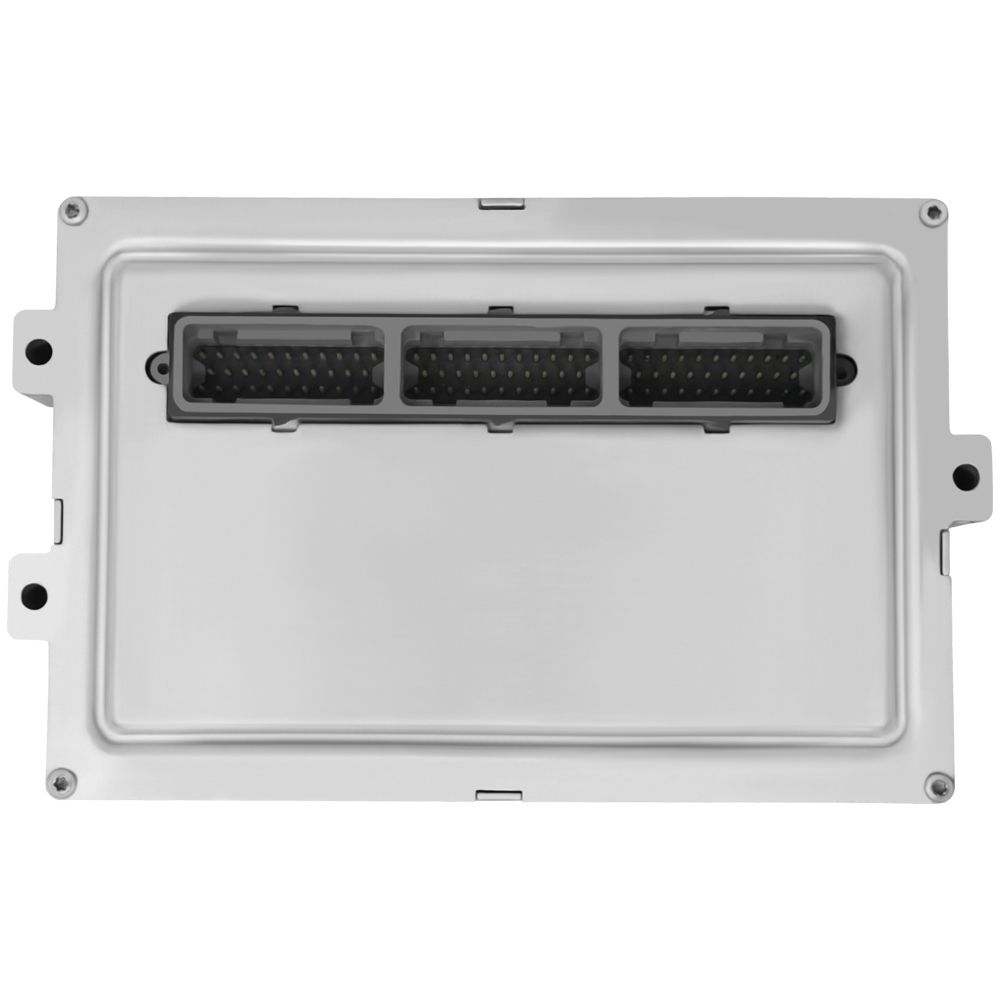
Flagship One stocks a refurbished, VIN-programmed PCM for the 2000 Jeep Cherokee with a lifetime warranty, free shipping and no core charge. The full Jeep Cherokee module lineup covers other engine configurations as well.
Restoring your 2000 Jeep Cherokee requires attention to electronic details. Proper module selection ensures consistent engine performance. You should verify all programming needs before installation. This approach minimizes complications during the service process. Your vehicle will return to reliable operation quickly. Contact us for further assistance with your needs.