
Last updated on August 25th, 2026 at 12:21 pm
The engine control module (ECM) in the 2017 Infiniti Q70h manages fuel injection, ignition timing, and hybrid system coordination. Failure may cause erratic engine behavior, reduced fuel efficiency, or complete no-start conditions.
If your 2017 Infiniti Q70h has been stalling unexpectedly, refusing to start, or flashing a check engine light with no clear cause, the engine control module (ECM) may be at fault. This critical component acts as the brain of your vehicle’s hybrid powertrain, coordinating fuel delivery, ignition timing, and seamless transitions between gas and electric power. When it malfunctions, symptoms can range from subtle performance hiccups to complete drivability failures. Understanding how the ECM functions in your Q70h, where it’s located, and what replacement entails can help you make informed decisions—whether you’re troubleshooting a persistent code or preparing for a repair. This guide explains the role of the ECM, common failure signs, and the steps involved in swapping it out, including why opting for a pre-programmed unit might streamline the process.
The engine control module in your 2017 Infiniti Q70h serves as the central command center for both the 3.5L V6 engine and the hybrid system. It continuously monitors sensor inputs—such as throttle position, air intake volume, and battery charge levels—to adjust fuel injection, spark timing, and electric motor assist in real time. This coordination ensures optimal power delivery while maximizing fuel efficiency. Unlike conventional vehicles, the Q70h’s ECM must also manage regenerative braking and seamless transitions between gas and electric modes, making its role even more complex. A failing ECM may disrupt these functions, leading to rough idling, poor acceleration, or even a complete loss of propulsion. When replacement becomes necessary, you’ll need replacement engine computers for the Q70h that are compatible with its hybrid architecture. Without proper communication between the ECM and the hybrid battery control module, the vehicle may default to limp mode or fail to start altogether.
2017 Infiniti Q70h
OEM programmed ECM for your 2017 Infiniti Q70h — plug & play, no dealer visit.
Free shipping · Lifetime warranty
In the 2017 Infiniti Q70h, the engine control module is mounted near the firewall on the passenger side of the engine bay. Accessing it requires removing the air intake duct and possibly the battery cover, depending on the vehicle’s configuration. Replacement typically involves disconnecting the battery, unplugging the wiring harness, and removing the module’s mounting bolts. Labor estimates for this procedure range from 1.6 to 1.9 hours, depending on whether additional components need to be moved for clearance. After installation, the new module must be secured with the original fasteners, and all electrical connections should be inspected for corrosion or damage before reassembly. Proper torque on the mounting bolts is critical to prevent vibration-related issues, though specific torque values are not always published in standard labor guides.
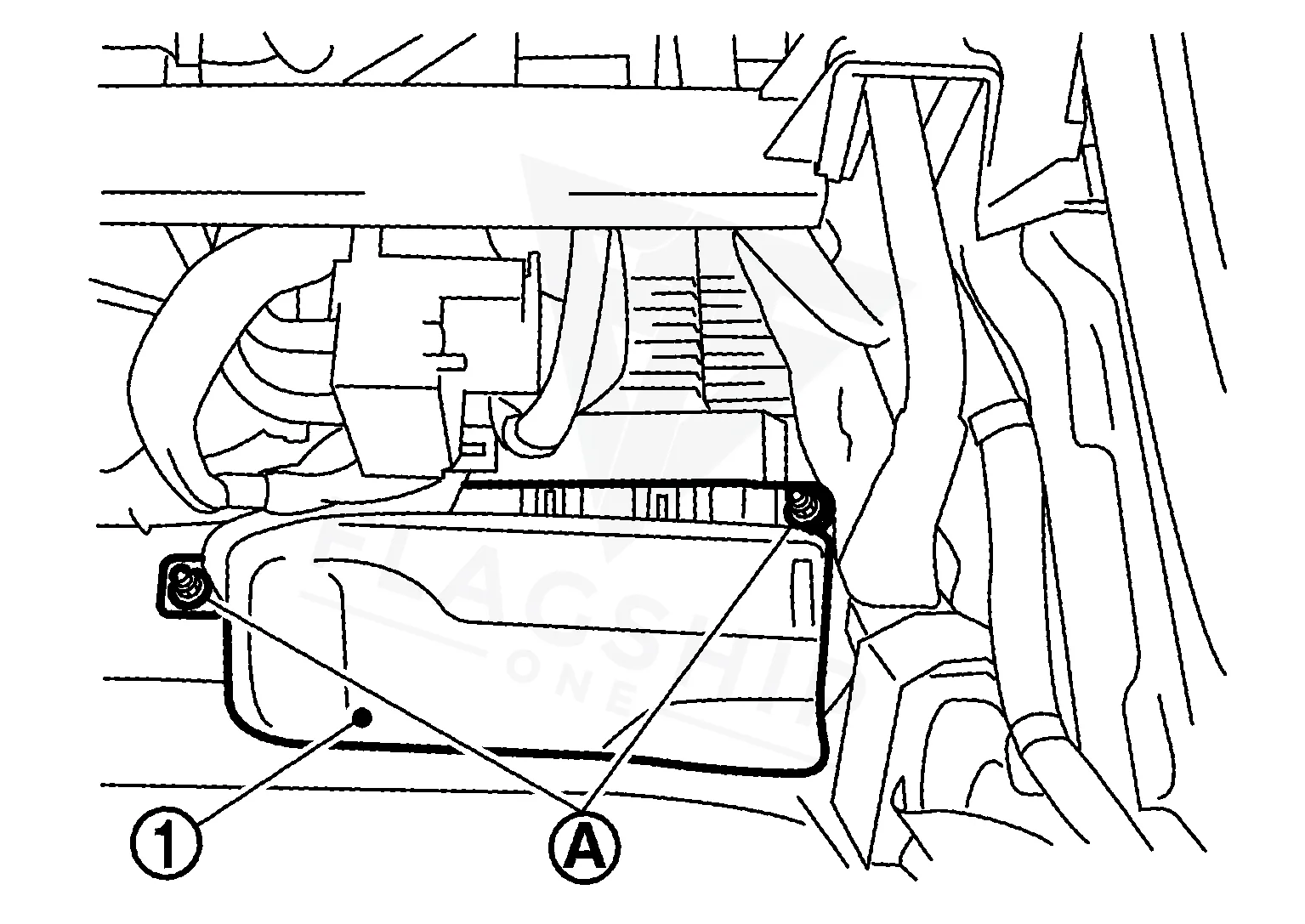
Work with the ignition off, and treat the module as static-sensitive: avoid touching the connector pins at any point.
| Operation | Configuration | Book Time |
|---|---|---|
| Engine Control Module Reset | All configurations | 0.3 hr |
| Engine Control Module Relearn | All configurations | 0.5 hr |
| Engine Control Module R&R | GAS | 1.9 hr |
| Engine Control Module R&R | All configurations | 1.6 hr |
| Powertrain Control Module Relearn | All configurations | 0.5 hr |
| Powertrain Control Module R&R | GAS | 1.9 hr |
| Powertrain Control Module R&R | All configurations | 1.6 hr |
After installing a new engine control module in your 2017 Infiniti Q70h, the factory procedure requires a relearn process to synchronize the module with the vehicle’s immobilizer and hybrid system. This typically involves using a scan tool to perform a powertrain control module (PCM) or ECM relearn, which may take up to 0.5 hours of additional labor. The relearn ensures that the module recognizes the vehicle’s unique VIN and security codes, preventing no-start conditions or communication errors. However, if you opt for a VIN-programmed replacement unit, these steps are already completed before the module arrives. This eliminates the need for on-site programming, reducing both labor time and the risk of incomplete initialization. While some aftermarket tools claim to handle the relearn, Infiniti’s proprietary software is often required for full functionality, particularly with hybrid-specific calibrations.
A failing engine control module in your 2017 Infiniti Q70h may produce a variety of symptoms, some of which can mimic other mechanical or electrical issues. Common signs include intermittent stalling, especially during deceleration or at stoplights, as the ECM struggles to maintain idle stability. You might also notice poor acceleration, where the engine hesitates or feels sluggish, as the module fails to deliver the correct fuel-air mixture. Another frequent complaint is a no-start condition, where the engine cranks but refuses to fire, often due to corrupted data in the ECM’s memory. In some cases, the vehicle may enter a reduced-power mode, limiting speed or throttle response to prevent further damage. Diagnostic trouble codes, such as internal control module read-only memory error, may appear when the module’s memory becomes corrupted or its circuitry degrades. Other potential codes include communication faults between the ECM and the hybrid control module, which can disrupt the vehicle’s ability to switch between gas and electric power. If your Q70h exhibits these symptoms, a thorough scan for stored codes can help confirm whether the ECM is the root cause.
The 2017 Infiniti Q70h may store specific trouble codes when the engine control module experiences internal faults. These codes often point to memory corruption, communication errors, or hardware failures within the module itself.
| Code | Meaning | Full Guide |
|---|---|---|
| P0605 | Internal ROM error | Full P0605 guide → |
Stalling at idle is often linked to a failing ECM, particularly if the module struggles to maintain consistent fuel delivery or ignition timing. The Q70h’s hybrid system adds complexity, as the ECM must also manage transitions between gas and electric power. If the module’s memory is corrupted, it may send incorrect signals to the fuel injectors or throttle body, causing the engine to stall. A diagnostic scan can confirm whether the ECM is the root cause.
While the physical replacement of the ECM is straightforward, the factory requires a post-install relearn procedure to synchronize the module with the vehicle’s security and hybrid systems. This typically requires a scan tool with Infiniti-specific software. If you’re not equipped to perform the relearn, a dealer or independent shop with the right tools may be necessary. However, using a pre-programmed replacement unit can eliminate this step, making the job more manageable for DIYers.
ECM failures in the Q70h are often triggered by voltage spikes, moisture intrusion, or prolonged exposure to heat. The module’s location near the firewall can expose it to engine bay temperatures, while corroded connectors may disrupt communication with sensors. In some cases, manufacturing defects or software glitches can also lead to premature failure. Regular maintenance, such as checking battery health and inspecting wiring, can help mitigate these risks.
Symptoms like stalling, no-start conditions, or reduced power can overlap with other problems, such as a failing fuel pump or ignition coil. The most reliable way to diagnose an ECM issue is to scan for stored trouble codes. If the scan reveals module-internal codes like P0605, the ECM is likely the culprit. However, if the codes point to sensor or actuator faults, further testing may be needed to rule out other components.
A used ECM may physically fit, but it will not function correctly unless it’s reprogrammed to match your vehicle’s VIN and security codes. Without this step, the ECM will not communicate with the immobilizer or hybrid system, resulting in a no-start condition. Additionally, used modules may have the same internal faults that caused the original failure. For reliable operation, a new or professionally refurbished unit is recommended.
If your 2017 Infiniti Q70h is exhibiting signs of ECM failure, you have two primary options: repair or replacement. While some shops may attempt to reflash or repair the existing module, this approach can be time-consuming and may not address underlying hardware issues. A replacement unit, particularly one that arrives pre-programmed with your vehicle’s VIN, offers a more reliable solution. This eliminates the need for on-site programming and reduces the risk of incomplete initialization, which can lead to further drivability problems. Given the Q70h’s hybrid complexity, ensuring compatibility with the vehicle’s powertrain is critical for long-term performance.
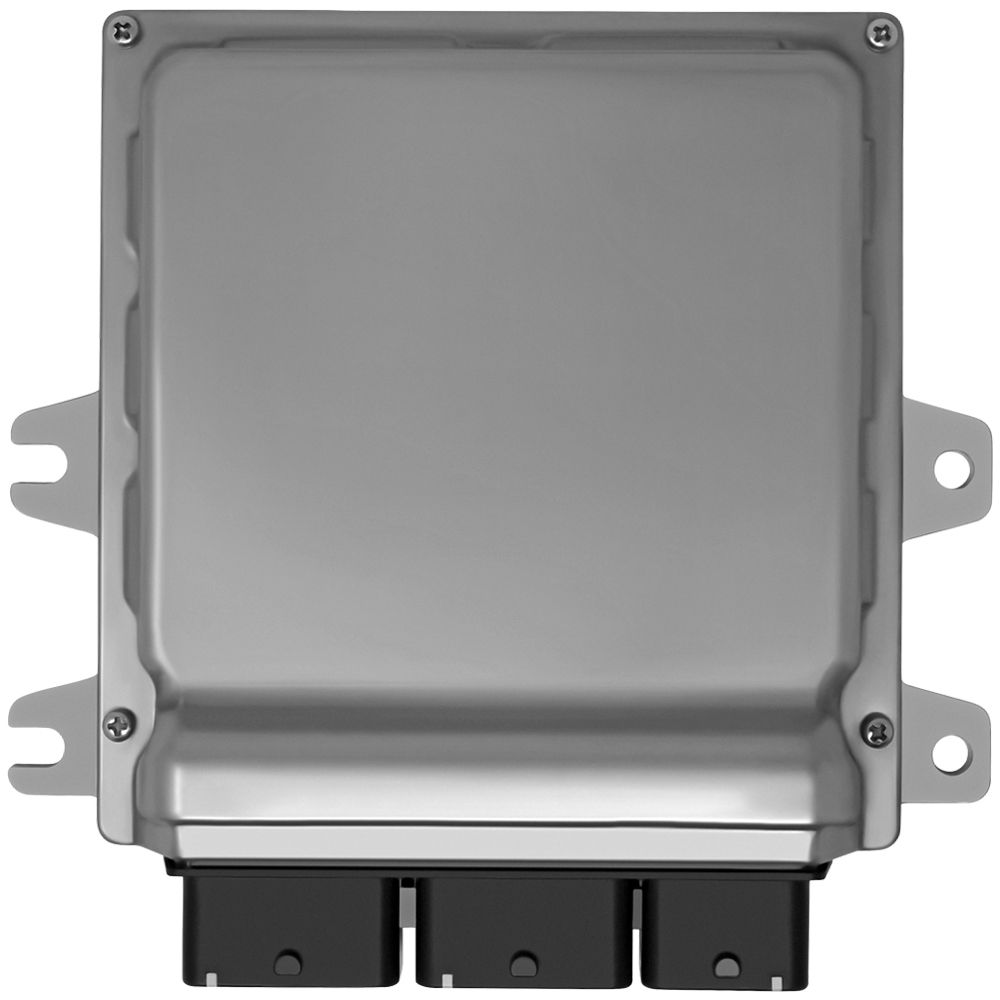
Flagship One stocks a refurbished, VIN-programmed PCM for the 2017 Infiniti Q70h with a lifetime warranty, free shipping and no core charge. The full Infiniti Q70h module lineup covers other engine configurations as well.
The engine control module in your 2017 Infiniti Q70h plays a pivotal role in managing both the gas engine and hybrid system, making its reliability essential for smooth operation. If you’re experiencing stalling, no-start conditions, or persistent trouble codes, the ECM may be the source of the problem. Understanding its function, location, and replacement process can help you navigate repairs with confidence. Whether you choose to tackle the job yourself or rely on a professional, opting for a pre-programmed unit can simplify the process and get your Q70h back on the road faster.