
Last updated on August 25th, 2026 at 01:18 pm
The Engine Control Module in this 1994 Infiniti G20 is the central computer managing fuel delivery, ignition timing, and idle speed. When it fails, the engine may not run properly or may not start at all.
If your 1994 Infiniti G20 is experiencing starting problems, running issues, or diagnostic trouble codes that point toward the engine computer, you are likely facing an ECM replacement scenario. The Engine Control Module serves as the brain of your vehicle’s powertrain, and when it fails, the engine may run poorly or not start at all. This guide explains what the module does, where it is located, common failure symptoms, and what the replacement process involves. You will gain a clear understanding of whether replacement is the right solution for your situation and what to expect during the repair.
1994 Infiniti G20
OEM programmed ECM for your 1994 Infiniti G20 — plug & play, no dealer visit.
Free shipping · Lifetime warranty
The Engine Control Module in your 1994 Infiniti G20 is the primary computer responsible for managing the 2.0L four-cylinder engine’s fuel injection, ignition timing, and idle speed. It monitors multiple sensor inputs and adjusts engine parameters in real time to maintain smooth operation and meet emissions requirements. This unit operates independently from the more advanced OBD-II systems found in later vehicles. When the internal circuitry of the module degrades, you may experience drivability problems that standard sensor replacements will not resolve. Replacement engine computers for the G20 must match the original specifications to ensure proper engine management.
Flagship One keeps Infiniti G20 replacement engine computers in stock for exactly this failure pattern.
The Engine Control Module on this vehicle is typically mounted in the engine compartment, often in a protected location near the firewall or fender well. Replacement involves disconnecting the battery, removing the old module, transferring any mounting hardware, and installing the new unit. The electrical connector must be properly seated and secured. After installation, the battery is reconnected and the system undergoes a relearn procedure. Book time for the diagnosis and testing portion is 0.5 hours, with an additional 0.5 hour allocated for the ECM relearn procedure.
| Operation | Configuration | Book Time |
|---|---|---|
| Engine Control Module Relearn | All configurations | 0.5 hr |
| Powertrain Control System Diagnosis & Testing | All configurations | 0.5 hr |
After the new ECM is installed, the factory procedure requires a relearn procedure to allow the module to adapt to your vehicle’s specific engine characteristics. This step ensures proper fuel delivery and ignition timing are established. The diagnosis and testing phase also requires book time before proceeding with the replacement. Flagship One units arrive with the VIN already programmed, which means the post-install relearn steps are handled automatically and you avoid the need for additional programming equipment or dealer visits.
Every VIN-programmed replacement unit from Flagship One arrives with these steps already completed.
Common symptoms of ECM failure in this type of vehicle include a no-start condition where the engine cranks but will not run, intermittent stalling especially at idle, and rough running that feels like a misfire. In some cases, the scan tool may not communicate with the module at all, or the vehicle may run normally for a period before suddenly developing drivability issues. Some units fail completely and cause immediate no-start conditions, while others degrade gradually and produce increasingly poor performance. The specific failure mode varies depending on the internal component affected.
Factory bulletin ITB95024 addresses the Engine Control System and specifically concerns the OBD-II ECM connector bolt. This bulletin is relevant to this vehicle and may be referenced during diagnosis or repair if electrical connector issues are suspected.
| Bulletin | Subject | What It Addresses |
|---|---|---|
| — | EC – ENGINE CONTROL SYSTEM: OBD-II ECM CONNECTOR BOLT | — |
The ECM must be matched to your specific vehicle. Using a unit from a different model or engine configuration may result in improper operation or no-start conditions.
While mechanically inclined individuals may perform the physical replacement, the diagnosis and relearn procedure typically require professional equipment and expertise to ensure proper operation.
A failed ECM usually causes immediate drivability issues or no-start. The vehicle typically will not run at all when the module fails completely, rather than gradually worsening over time.
When facing ECM failure on your 1994 Infiniti G20, you have two primary options: professional repair of the existing unit or installation of a refurbished replacement. A refurbished unit from a reputable supplier typically comes with programming matched to your vehicle’s VIN, eliminating the need for additional dealer programming steps. Consider your budget, timeline, and warranty preferences when making the decision.
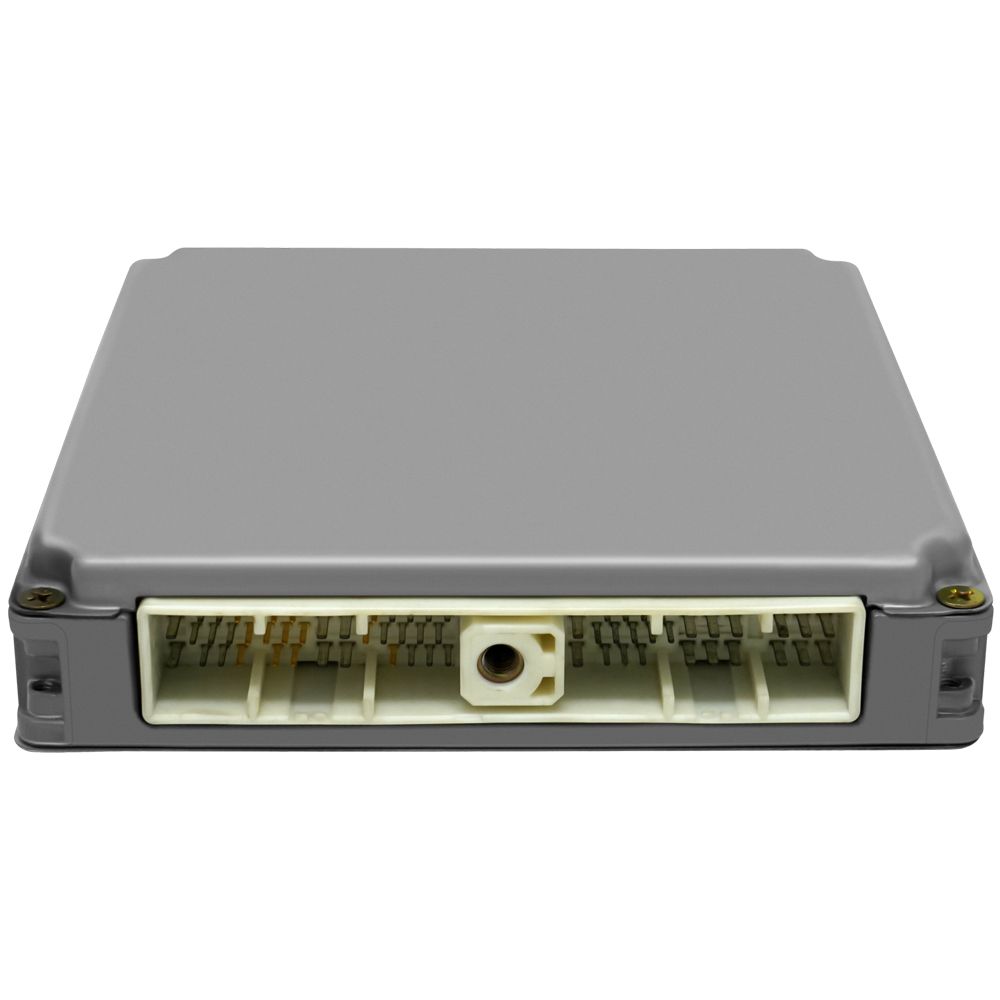
Flagship One stocks a refurbished, VIN-programmed PCM for the 1994 Infiniti G20 with a lifetime warranty, free shipping and no core charge. The full Infiniti G20 module lineup covers other engine configurations as well.
The Engine Control Module in your 1994 Infiniti G20 is a critical component that manages essential engine functions. When failure occurs, replacement is often the most practical solution to restore reliable operation. Whether you choose professional repair or a quality refurbished replacement, addressing the issue promptly helps prevent further drivability problems.