
Last updated on August 25th, 2026 at 01:18 pm
The Engine Control Module (ECM) in your 1996 Infiniti G20 manages fuel injection, ignition timing, and emissions systems. Failures may cause erratic idling, stalling, or a complete no-start condition, often triggered by voltage spikes or corroded connectors.
If your 1996 Infiniti G20 is experiencing unexplained stalling, rough idling, or a refusal to start, the Engine Control Module (ECM) may be the culprit. This compact computer sits under the hood and acts as the brain of your engine, managing everything from fuel delivery to ignition timing. When it fails, symptoms can range from subtle performance issues to a complete breakdown. Replacing the ECM isn’t just about swapping a part—it involves precise installation and often a factory-mandated relearn procedure to ensure your engine runs smoothly. Understanding the role of the ECM, the steps involved in replacement, and what to expect afterward can save you time and frustration. Whether you’re a DIY enthusiast or planning to visit a shop, knowing these details helps you make informed decisions and avoid unnecessary delays.
The Engine Control Module in your 1996 Infiniti G20 is responsible for monitoring and adjusting critical engine parameters in real time. It processes data from sensors throughout the engine bay, such as the oxygen sensor, throttle position sensor, and crankshaft position sensor, to optimize fuel mixture, ignition timing, and idle speed. This ensures your engine runs efficiently, meets emissions standards, and delivers consistent power. A failing ECM can disrupt these functions, leading to poor fuel economy, rough running, or even a vehicle that won’t start. Because the ECM is so integral to engine performance, its reliability directly impacts your driving experience. If replacement becomes necessary, you’ll want to consider replacement engine computers for the G20 to restore full functionality. The module’s location and design make it susceptible to voltage spikes, moisture intrusion, or connector corrosion, so proper installation and maintenance are key to longevity.
1996 Infiniti G20
OEM programmed ECM for your 1996 Infiniti G20 — plug & play, no dealer visit.
Free shipping · Lifetime warranty
In the 1996 Infiniti G20, the ECM is mounted in the engine bay, typically near the firewall or strut tower. Accessing it requires removing a protective cover or air intake components, depending on the specific layout. Once exposed, the module is secured with mounting bolts and connected via a multi-pin electrical harness. Replacement involves disconnecting the battery, unplugging the harness, removing the mounting bolts, and carefully extracting the module. The new unit is installed in reverse order, ensuring the harness connector is fully seated and the mounting bolts are tightened to specification. Labor time for removal and reinstallation is typically 0.8 hours, according to factory guidelines. After installation, a relearn procedure may be required to synchronize the ECM with the engine’s sensors and systems.
| Operation | Configuration | Book Time |
|---|---|---|
| Engine Control Module Relearn | All configurations | 0.5 hr |
| Engine Control Module R&R | All configurations | 0.8 hr |
| Powertrain Control Module Relearn | All configurations | 0.5 hr |
| Powertrain Control Module R&R | All configurations | 0.8 hr |
After replacing the ECM in your 1996 Infiniti G20, the factory procedure often requires a relearn process to ensure the module communicates correctly with the engine’s sensors and systems. This typically involves using a scan tool or specialized software to reset adaptive values and calibrate the ECM to your vehicle’s specific parameters. The relearn procedure may take up to 0.5 hours, depending on the tools and methods used. However, when you install a VIN-programmed replacement unit, these steps are already completed, saving you time and eliminating the need for dealer reprogramming. This pre-programming ensures your engine starts smoothly and runs as intended without additional setup. Always verify that the replacement unit matches your vehicle’s VIN to avoid compatibility issues.
A failing ECM in your 1996 Infiniti G20 can manifest in several ways, often mimicking other mechanical or electrical issues. One of the most common symptoms is a no-start condition, where the engine cranks but refuses to fire. This may occur intermittently or become consistent over time. Stalling or rough idling, especially when the engine is warm, is another frequent sign, as the ECM struggles to maintain proper fuel and ignition timing. Misfires, poor acceleration, or a noticeable drop in fuel economy may also indicate ECM problems. In some cases, the check engine light will illuminate, and a scan tool may reveal trouble codes related to sensor performance or internal module faults. For example, a memory checksum error could point to an ECM failure, where the module’s internal memory has become corrupted. Additionally, you might experience issues with scan tool communication, where the ECM fails to respond to diagnostic requests. These symptoms can worsen over time, so addressing them promptly can prevent further complications.
Infiniti issued service bulletins addressing ECM-related concerns in the 1996 G20. Bulletin ITB95024 highlights the importance of properly torquing the OBD-II ECM connector bolt to prevent intermittent electrical connections. Another bulletin, ITB04003, details an update to the CONSULT-II ECU reprogramming software (version #5, AER05A), which may be required during ECM replacement or updates. These bulletins emphasize the need for precise procedures during ECM service to avoid recurring issues.
| Bulletin | Subject | What It Addresses |
|---|---|---|
| — | EC – ENGINE CONTROL SYSTEM: OBD-II ECM CONNECTOR BOLT | — |
| — | TE – TOOL & EQUIPMENT: CONSULT-II ECU REPROGRAMMING SOFTWARE UPDATE #5(AER05A) | — |
Common signs include a no-start condition, stalling, rough idling, or poor acceleration. The check engine light may illuminate, and a scan tool might reveal trouble codes like P0601. If these symptoms persist after checking other components, the ECM may be the issue.
Replacement is possible for those with basic mechanical skills, but it requires careful handling of electrical components. Disconnecting the battery and ensuring the harness connector is properly seated are critical steps. A relearn procedure may also be needed afterward.
The relearn procedure typically involves using a scan tool to reset adaptive values and calibrate the ECM to your vehicle’s systems. This may take up to 0.5 hours and ensures proper communication between the ECM and engine sensors.
Stalling after ECM replacement may indicate an incomplete relearn procedure or a mismatch between the new module and your vehicle’s VIN. Ensure the replacement unit is VIN-programmed and that all relearn steps are followed.
Replacement typically requires 0.8 hours of labor for removal and reinstallation. An additional 0.5 hours may be needed for the relearn procedure, depending on the tools and methods used.
If your 1996 Infiniti G20 is experiencing ECM-related issues, you have options for repair or replacement. While a dealer may offer a new unit, a refurbished or VIN-programmed replacement can provide the same reliability at a lower cost. Flagship One units arrive pre-programmed, eliminating the need for dealer reprogramming and ensuring a smoother installation process. Whether you choose to tackle the job yourself or visit a shop, understanding the steps involved helps you make the best decision for your vehicle.
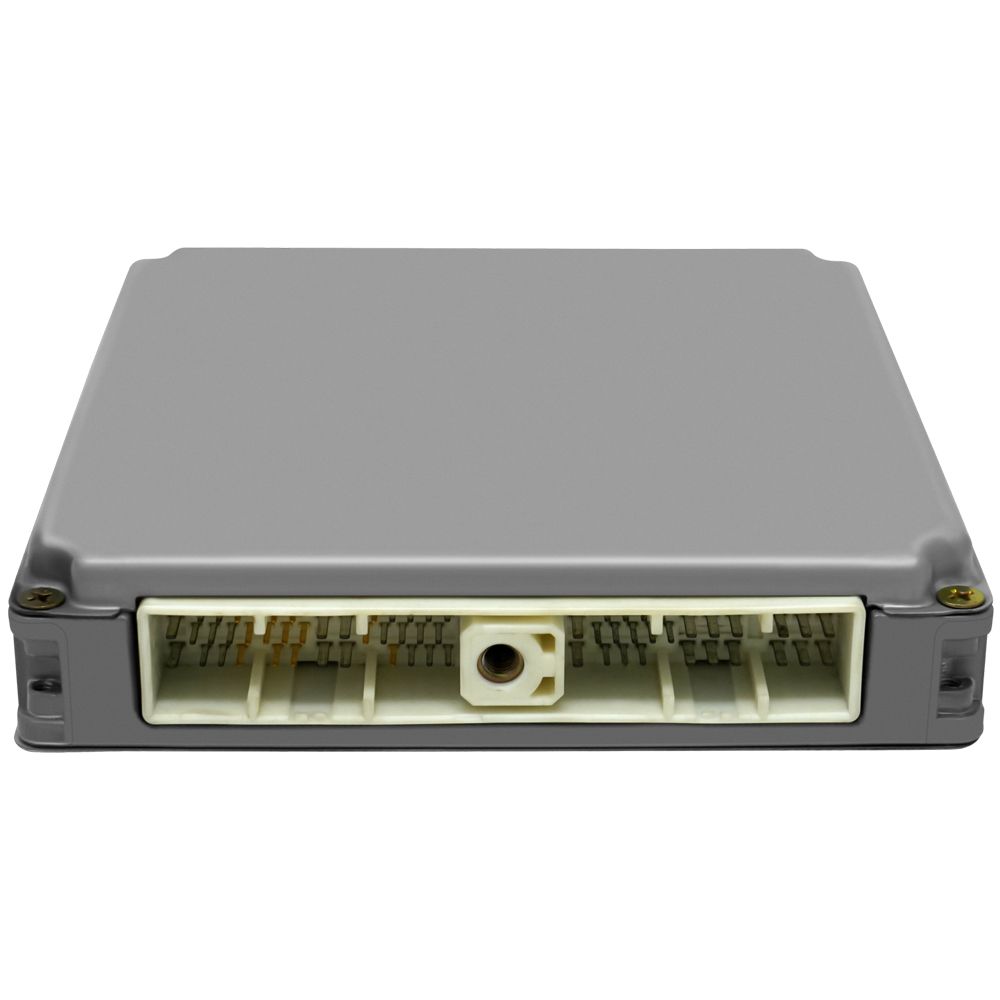
Flagship One stocks a refurbished, VIN-programmed PCM for the 1996 Infiniti G20 with a lifetime warranty, free shipping and no core charge. The full Infiniti G20 module lineup covers other engine configurations as well.
The ECM in your 1996 Infiniti G20 plays a vital role in engine performance, and addressing failures promptly can restore reliability. Whether you opt for a DIY replacement or professional installation, using a VIN-programmed unit simplifies the process and avoids additional reprogramming steps. Regular maintenance and attention to electrical health can help prevent future issues, keeping your G20 running smoothly for years to come.