
Last updated on August 25th, 2026 at 01:19 pm
The engine control module (ECM) in your 1991 Infiniti G20 manages fuel delivery, ignition timing, and emissions systems. Failure may cause stalling, poor acceleration, or a complete no-start condition, often due to internal corrosion or voltage spikes.
If your 1991 Infiniti G20 has been acting up—stalling at stops, hesitating under acceleration, or refusing to start—your engine control module (ECM) may be the culprit. Unlike modern vehicles with self-diagnostic systems, this pre-OBD-II model relies on a simpler but still critical computer to manage fuel, ignition, and emissions. When the ECM fails, symptoms can range from subtle performance issues to a complete breakdown. Understanding how this module works, where it’s located, and what replacement involves can save you time and frustration. You’ll learn how to recognize failure signs, what the repair process entails, and why a pre-programmed replacement unit can simplify the job. Whether you’re diagnosing an existing problem or preparing for future maintenance, this guide gives you the details you need to keep your G20 running smoothly.
1991 Infiniti G20
OEM programmed ECM for your 1991 Infiniti G20 — plug & play, no dealer visit.
Free shipping · Lifetime warranty
The engine control module (ECM) in your 1991 Infiniti G20 acts as the brain of the engine, continuously adjusting fuel injection, ignition timing, and idle speed to maintain optimal performance. It processes inputs from sensors like the throttle position, coolant temperature, and oxygen sensors to ensure the engine runs efficiently under all conditions. Without a functioning ECM, your G20 may struggle to start, idle roughly, or fail to accelerate properly. This module also plays a role in emissions control, helping the vehicle meet regulatory standards of its era. Over time, exposure to heat, moisture, or voltage irregularities can degrade the ECM’s internal components, leading to intermittent or permanent failure. When replacement becomes necessary, replacement engine computers for the Infiniti G20 are available to restore reliable operation without the hassle of dealer programming.
After replacing the ECM in your 1991 Infiniti G20, the factory procedure typically requires a visit to the dealership for programming. This step ensures the module is calibrated to your vehicle’s specific engine and emissions settings. However, a VIN-programmed replacement unit arrives ready to install, eliminating the need for this additional step. The pre-programmed module is matched to your G20’s VIN, so it syncs with the engine and transmission controls immediately. This not only saves time but also reduces the risk of errors during the programming process. Once installed, the vehicle should start and run as expected, though a brief relearn period may be necessary for optimal performance.
When the ECM in your 1991 Infiniti G20 begins to fail, symptoms often appear gradually but can worsen over time. A common early sign is intermittent stalling, particularly at idle or during deceleration, as the module struggles to maintain proper fuel and ignition timing. You may also notice the engine hesitating or surging under acceleration, as if the throttle response is delayed or erratic. In some cases, the vehicle may refuse to start altogether, cranking but never firing up. Other drivers report rough idling, misfires, or even backfiring through the intake or exhaust. Since this vehicle lacks modern diagnostic codes, pinpointing the issue may require testing sensors or checking for voltage irregularities. However, if the ECM is the root cause, you might observe an internal control module memory check error during testing, indicating corruption within the module’s memory. Electrical issues like dimming lights or erratic gauge behavior can also accompany ECM failure, as the module draws excessive current or fails to regulate power properly.
Stalling at idle is a classic sign of ECM failure in the G20. The module may struggle to maintain proper fuel and ignition timing, causing the engine to cut out. If the vehicle restarts immediately, the issue is likely intermittent, but it may worsen over time. Testing the ECM’s voltage output and connections can help confirm the diagnosis.
While a scan tool simplifies diagnosis, you can perform basic tests with a multimeter. Check for consistent voltage at the ECM connectors and inspect for corrosion or loose pins. If the module isn’t receiving power or ground signals, it may be the source of your issues. However, internal failures often require replacement for confirmation.
Sensor issues often trigger specific symptoms, like a faulty coolant temperature sensor causing hard starts in cold weather. If multiple sensors seem to fail simultaneously or the vehicle exhibits erratic behavior across different conditions, the ECM is more likely the culprit. Testing sensor outputs with a multimeter can help rule them out.
A used ECM may work temporarily, but compatibility isn’t guaranteed. The module may require reprogramming to match your vehicle’s settings, and internal wear could lead to premature failure. A new or remanufactured unit is a more reliable option, especially if it’s pre-programmed for your VIN.
Common causes include voltage spikes from a failing alternator, moisture intrusion from a leaky windshield or kick panel, and corrosion in the connectors. Over time, heat and vibration can also degrade the module’s internal components. Regular maintenance of the electrical system can help extend its lifespan.
If your 1991 Infiniti G20 is showing signs of ECM failure, you have a few repair options. A dealership can replace and program the module, but this often involves higher costs and longer wait times. Alternatively, a remanufactured or new replacement unit, pre-programmed for your VIN, can simplify the process. This approach eliminates the need for dealer programming and gets your G20 back on the road faster. Whether you choose to tackle the replacement yourself or leave it to a professional, addressing the issue promptly can prevent further drivability problems.
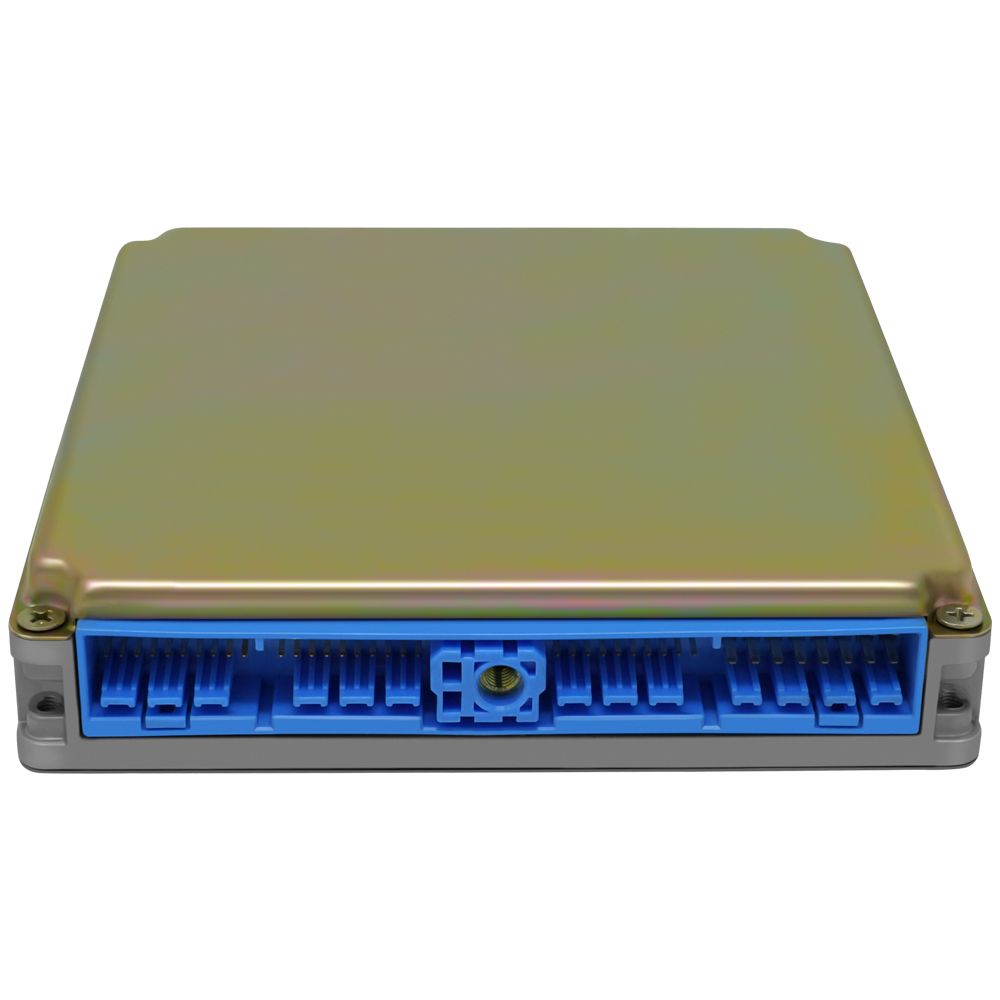
Flagship One stocks a refurbished, VIN-programmed ECM for the 1991 Infiniti G20 with a lifetime warranty, free shipping and no core charge. The full Infiniti G20 module lineup covers other engine configurations as well.
The ECM in your 1991 Infiniti G20 plays a critical role in keeping the engine running smoothly. When it fails, symptoms like stalling, hesitation, or a no-start condition can disrupt your daily driving. By recognizing the warning signs early and opting for a pre-programmed replacement unit, you can restore reliable performance without the hassle of dealer programming. Regular maintenance of your vehicle’s electrical system can also help prevent future ECM issues, ensuring your G20 stays dependable for years to come.