
Last updated on August 25th, 2026 at 01:23 pm
The powertrain control module (PCM) or engine control module (ECM) in your 2003 Hyundai Sonata manages fuel delivery, ignition timing, and emissions systems. Failure may cause erratic engine behavior, poor performance, or a complete no-start condition.
If your 2003 Hyundai Sonata has been acting up—stalling unexpectedly, refusing to start, or throwing cryptic engine codes—it might not just be a bad sensor or a loose wire. The computer responsible for managing your engine’s performance, known as the powertrain control module (PCM) or engine control module (ECM), could be failing. This isn’t a component you’ll replace often, but when it does go bad, the symptoms can be frustrating and leave you stranded. Understanding what this module does, where it’s located, and what’s involved in replacing it can save you time and confusion when discussing repairs with your mechanic. You’ll also want to know why some replacement units require extra steps after installation, while others come ready to bolt in and drive away. This guide covers the essentials for Sonata owners facing this repair, from labor times to what to expect during the process.
2003 Hyundai Sonata
OEM programmed ECM for your 2003 Hyundai Sonata — plug & play, no dealer visit.
Free shipping · Lifetime warranty
In your 2003 Hyundai Sonata, the powertrain control module (PCM) or engine control module (ECM) acts as the brain of the engine and transmission systems. It continuously monitors data from sensors throughout the vehicle, adjusting fuel injection, ignition timing, and emissions controls to keep everything running smoothly. Without this module functioning correctly, your Sonata may struggle to start, idle roughly, or even fail to accelerate properly. The PCM also plays a role in diagnosing issues, storing trouble codes when something goes wrong so mechanics can pinpoint problems quickly. Over time, exposure to heat, vibration, or electrical surges can degrade the module’s performance, leading to intermittent or permanent failures. When replacement becomes necessary, you’ll want to consider replacement engine computers for the Sonata that are designed to match your vehicle’s original specifications, ensuring compatibility and reliable operation without additional programming hassles.
The PCM or ECM in your 2003 Hyundai Sonata is located inside the vehicle, typically mounted behind the dashboard on the passenger side. Accessing it requires removing interior panels and possibly the glove box or lower dash trim to reach the module’s mounting bracket. The replacement process involves disconnecting the battery, unplugging the wiring harness, and removing the module from its bracket. Once the new unit is installed, the wiring harness is reconnected, and the battery is restored. The labor time for this procedure is typically 2.7 hours, as the module’s location makes it somewhat time-consuming to access and secure properly. There are no special torque specifications provided for this job, but ensuring all connectors are seated firmly is critical to avoid electrical issues after installation.
| Operation | Configuration | Book Time |
|---|---|---|
| Powertrain Control Module R&R | All configurations | 2.7 hr |
| Powertrain Control Module Relearn | All configurations | 0.5 hr |
| Engine Control Module R&R | All configurations | 2.7 hr |
| Engine Control Module Relearn | All configurations | 0.5 hr |
After installing a new PCM or ECM in your 2003 Hyundai Sonata, the factory procedure requires a relearn process to synchronize the module with the vehicle’s systems. This typically involves using a scan tool to reset adaptive values, clear stored codes, and ensure the engine runs smoothly. The relearn procedure adds about 0.5 hours of labor, as the vehicle may need to idle or be driven under specific conditions to complete the process. However, if you opt for a VIN-programmed replacement unit, these steps are already completed before the module arrives. This means your mechanic can install the unit and have your Sonata ready to drive without additional programming, saving you time and potential frustration at the shop.
When the PCM or ECM in your 2003 Hyundai Sonata begins to fail, the symptoms can range from subtle to severe. You might notice the engine stalling unexpectedly, especially at idle or during deceleration, or it may hesitate or jerk during acceleration. Some owners report the vehicle refusing to start altogether, often with no warning signs other than a brief crank or a complete lack of response when turning the key. Misfires are another common issue, sometimes accompanied by a rough idle or a noticeable drop in power. The check engine light may illuminate, and a scan tool could reveal codes related to fuel delivery, ignition timing, or sensor performance. In some cases, the module may fail to communicate with a scan tool, making diagnosis more challenging. One specific code you might encounter is an internal control module memory check sum error, which often points to a failing PCM or ECM. If your Sonata exhibits any of these symptoms, it’s worth having the module checked, as ignoring the issue could lead to more severe drivability problems or even leave you stranded.
Common signs include stalling, no-start conditions, misfires, or trouble codes related to engine performance. If the module fails to communicate with a scan tool, that’s another strong indicator. A mechanic can perform tests to confirm whether the PCM is the issue.
While it’s possible for someone with mechanical experience, the PCM is located behind the dashboard, requiring removal of interior panels. Additionally, the factory requires a relearn procedure after installation, which may need a scan tool. If you’re not comfortable with these steps, it’s best left to a professional.
The relearn process allows the new PCM to synchronize with the vehicle’s sensors and systems, ensuring proper fuel delivery, ignition timing, and emissions control. Without it, the engine may run poorly or throw additional codes. The procedure typically takes about 0.5 hours.
A used PCM may work, but it often requires reprogramming to match your vehicle’s VIN and systems. Even then, there’s a risk of compatibility issues or hidden faults in the used module. A new or remanufactured unit is usually a more reliable choice.
In your 2003 Hyundai Sonata, the terms PCM (powertrain control module) and ECM (engine control module) are often used interchangeably, as the module controls both engine and transmission functions. The unit manages fuel injection, ignition timing, emissions, and other critical systems to keep the engine running smoothly.
If your 2003 Hyundai Sonata is showing signs of a failing PCM or ECM, you have a few options to consider. A dealership or repair shop can replace the module and perform the required relearn procedure, but this may involve additional labor and cost. Alternatively, a pre-programmed replacement unit can save you time and ensure the module is ready to install without further setup. Weighing the benefits of a new or remanufactured module against the potential hassles of a used or unprogrammed unit can help you make the best choice for your situation.
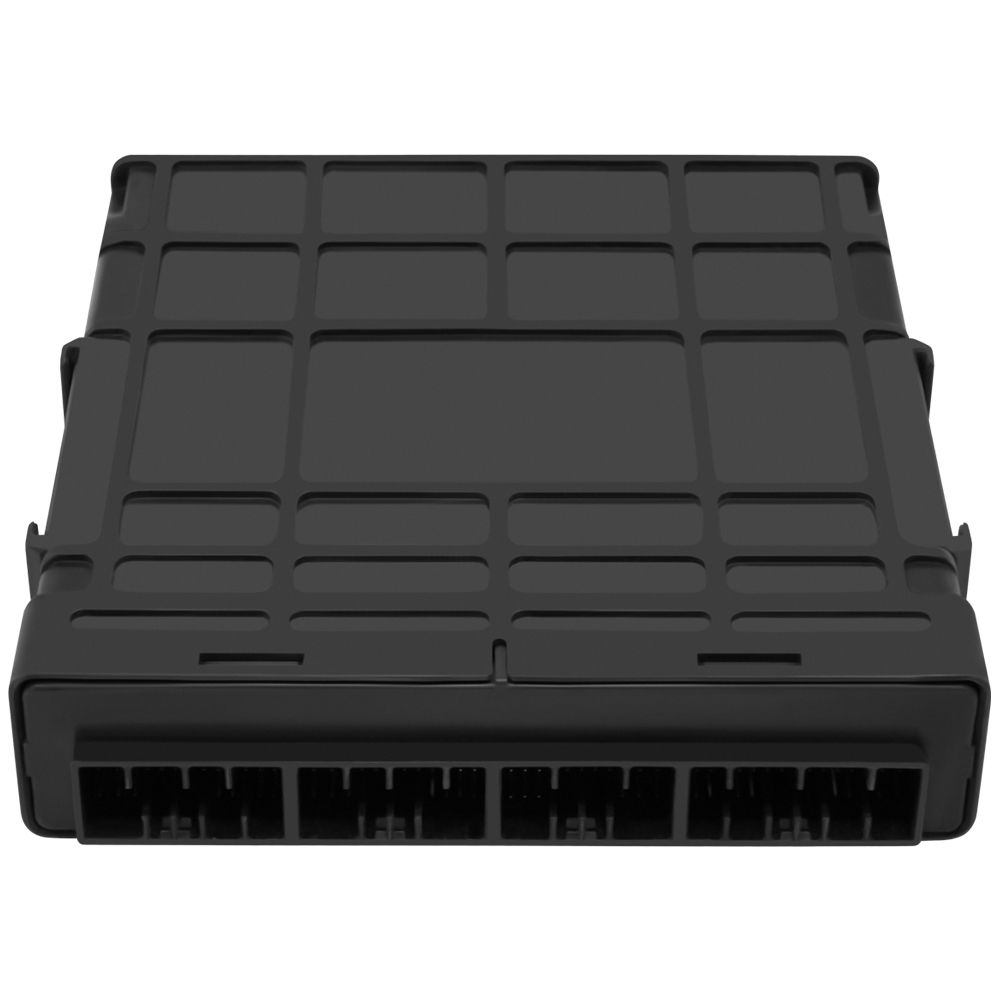
Flagship One stocks a refurbished, VIN-programmed PCM for the 2003 Hyundai Sonata with a lifetime warranty, free shipping and no core charge. The full Hyundai Sonata module lineup covers other engine configurations as well.
Dealing with a failing PCM or ECM in your 2003 Hyundai Sonata can be frustrating, but understanding the process and your options makes it easier to navigate. Whether you’re facing stalling, no-start conditions, or persistent trouble codes, replacing the module with a properly programmed unit can restore your vehicle’s performance and reliability. Taking steps to prevent future issues, like maintaining your charging system and addressing codes promptly, can help extend the life of your new module. If your Sonata is showing signs of trouble, it’s worth having the PCM checked to keep you on the road without unexpected surprises.