
Last updated on August 25th, 2026 at 01:23 pm
The powertrain control module (PCM) or engine control module (ECM) in your 2001 Hyundai Sonata manages fuel delivery, ignition timing, and emissions systems. Failures may cause erratic engine behavior, poor performance, or complete stalls due to corrupted memory or electrical faults.
If your 2001 Hyundai Sonata has been acting up—stalling at stops, refusing to start, or throwing mysterious check-engine lights—it may be time to consider the powertrain control module (PCM) or engine control module (ECM). This small but critical computer oversees everything from fuel injection to spark timing, ensuring your engine runs smoothly. When it fails, the symptoms can range from subtle performance hiccups to complete drivability issues. Replacing it isn’t just about swapping a part; it involves precise labor, programming, and sometimes even factory updates to avoid repeat problems. Understanding the process helps you make informed decisions, whether you’re tackling the job yourself or leaving it to a shop. You’ll learn what the module does, where it’s located, how replacement works, and why a pre-programmed unit can save time and frustration. Most importantly, you’ll recognize the warning signs before a minor issue leaves you stranded.
2001 Hyundai Sonata
OEM programmed ECM for your 2001 Hyundai Sonata — plug & play, no dealer visit.
Free shipping · Lifetime warranty
The PCM or ECM in your 2001 Hyundai Sonata acts as the brain of the engine and transmission, constantly adjusting fuel mixtures, ignition timing, and emissions controls based on sensor inputs. Without it, your vehicle wouldn’t know how much fuel to inject or when to fire the spark plugs, leading to poor performance or even a no-start condition. This module also communicates with the transmission control system to ensure smooth shifting, making it essential for both power and efficiency. Over time, electrical surges, moisture intrusion, or simple wear can corrupt its memory or damage internal circuits. When that happens, you may notice hesitation, rough idling, or replacement engine computers for the Sonata throwing error codes that don’t clear with basic fixes. Unlike sensors or actuators, which can often be tested individually, the PCM/ECM requires specialized diagnostics to confirm failure. Its role in managing multiple systems means a single fault can create a cascade of symptoms, making accurate diagnosis crucial before replacement.
In the 2001 Hyundai Sonata, the PCM/ECM is mounted inside the passenger-side footwell, behind a kick panel near the firewall. Accessing it requires removing the lower dashboard trim and possibly disconnecting the battery to prevent electrical shorts. The replacement process involves unplugging the wiring harness, removing the mounting bolts, and carefully extracting the module without damaging the connectors. Labor time for removal and reinstallation is typically 2.7 hours, as the module’s location demands some disassembly of interior components. Once the new unit is in place, the wiring harness is reconnected, and the battery is restored. No special tools are required beyond basic hand tools, but care must be taken to avoid bending pins or contaminating the connectors. The module’s position exposes it to potential moisture or debris, so ensuring a clean, dry installation area is important for long-term reliability.
| Operation | Configuration | Book Time |
|---|---|---|
| Powertrain Control Module R&R | All configurations | 2.7 hr |
| Powertrain Control Module Relearn | All configurations | 0.5 hr |
| Engine Control Module R&R | All configurations | 2.7 hr |
| Engine Control Module Relearn | All configurations | 0.5 hr |
After installing a new PCM/ECM in your 2001 Hyundai Sonata, the factory procedure requires a relearn process to synchronize the module with the vehicle’s sensors and transmission. This step, which typically takes 0.5 hours, involves using a scan tool to reset adaptive values and ensure proper communication between systems. Without it, you may experience shifting issues, poor fuel economy, or even a no-start condition. However, a VIN-programmed replacement unit arrives pre-configured to match your Sonata’s specific calibration, eliminating the need for dealer reprogramming. This not only saves time but also reduces the risk of compatibility errors that can occur with blank modules. While some aftermarket units may still require a basic initialization, Flagship One’s pre-programmed modules are ready to install and drive, allowing you to skip the additional labor and potential headaches of post-install programming.
A failing PCM/ECM in your 2001 Hyundai Sonata can manifest in several ways, often mimicking other issues like fuel pump failure or ignition problems. Common signs include intermittent stalling, especially at idle or during deceleration, as the module loses its ability to regulate fuel and spark timing. You may also notice the engine cranking but not starting, or it might start only to die shortly after. Hesitation under acceleration, rough idling, or a sudden drop in fuel economy are other red flags, as the module struggles to maintain proper air-fuel ratios. Some drivers report erratic shifting in automatic transmissions, as the PCM/ECM also influences transmission behavior. Onboard diagnostics may throw a variety of codes, including internal control module memory checksum error, which indicates corrupted memory or a failing processor. In some cases, the check-engine light may flash or stay illuminated without storing any codes, as the module fails to communicate with the scan tool. Electrical issues, such as flickering dash lights or intermittent power loss to accessories, can also point to PCM/ECM problems, particularly if the vehicle’s grounding or charging system is compromised.
Hyundai issued a service bulletin (#01-36-023) addressing fuel system and sensor-related issues in the 1999–2001 Sonata models. The bulletin specifically covers oxygen sensor replacement and ECM reprogramming to resolve drivability concerns, such as hesitation or poor fuel economy. While not a direct recall, this bulletin highlights the importance of keeping the PCM/ECM updated with the latest calibration, especially if you’re experiencing symptoms tied to sensor performance. If your vehicle is exhibiting these issues, checking for applicable bulletins before replacement may save time and ensure the new module is programmed to the most current standards.
| Bulletin | Subject | What It Addresses |
|---|---|---|
| 01-36-023 | Fuel System (25) > 01-36-023 1999-2001 Sonata 02 Sensor Replacement and ECM Reprogramming | — |
If your 2001 Hyundai Sonata is showing signs of PCM/ECM failure, you have options. A repair shop can diagnose and replace the module, but labor costs for removal, installation, and relearn procedures can add up quickly. Alternatively, a pre-programmed replacement unit from Flagship One arrives ready to install, saving you the hassle of dealer reprogramming and reducing downtime. Whether you choose a new or refurbished module, ensuring it’s properly calibrated for your Sonata is key to restoring reliable performance without unexpected issues.
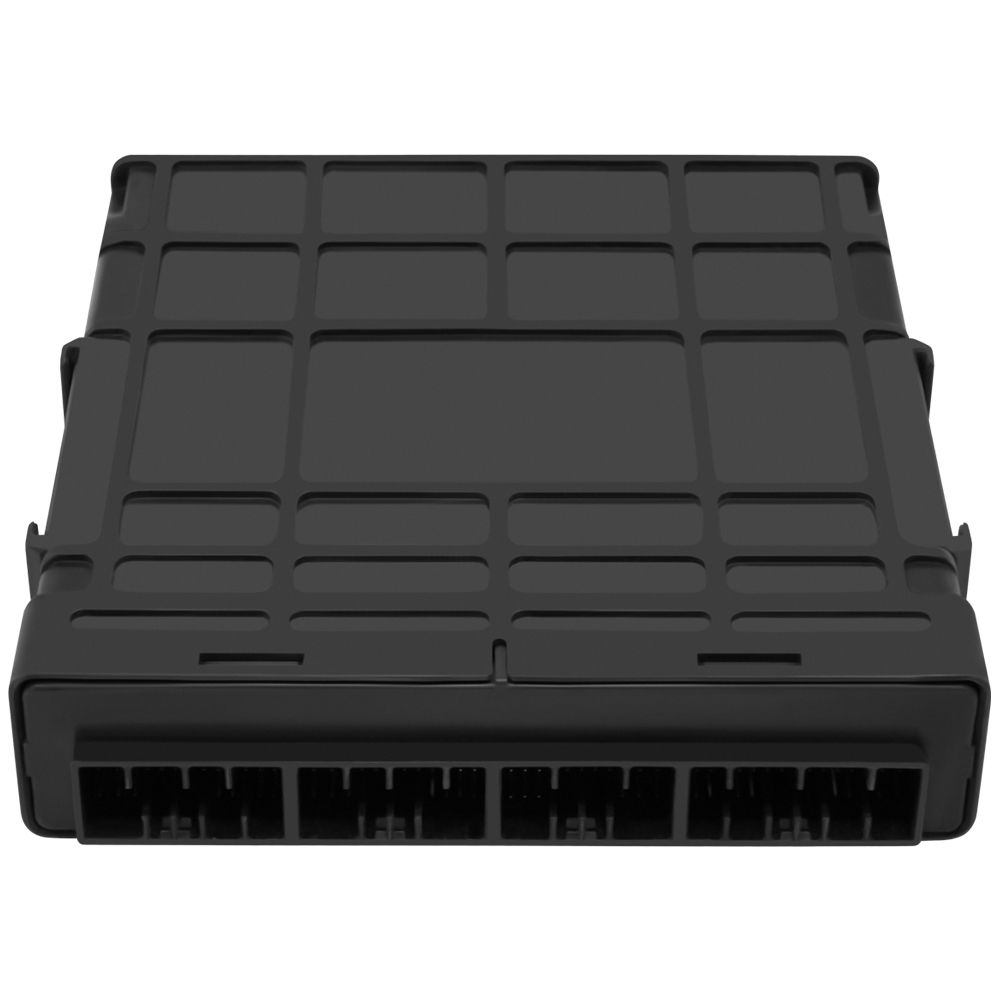
Flagship One stocks a refurbished, VIN-programmed PCM for the 2001 Hyundai Sonata with a lifetime warranty, free shipping and no core charge. The full Hyundai Sonata module lineup covers other engine configurations as well.
The PCM/ECM in your 2001 Hyundai Sonata plays a critical role in keeping your engine running smoothly, and when it fails, the symptoms can be frustrating and unpredictable. Recognizing the warning signs early—like stalling, no-start conditions, or erratic shifting—can help you address the issue before it leaves you stranded. Whether you opt for a DIY replacement or professional installation, using a pre-programmed unit ensures a seamless transition and avoids the need for additional dealer visits. With proper care and timely repairs, your Sonata can continue to deliver dependable performance for miles to come.