
Last updated on August 25th, 2026 at 01:26 pm
The Engine Control Module (ECM) in your 2015 GMC Yukon manages fuel delivery, ignition timing, and emissions systems. Failures may cause erratic engine behavior, poor performance, or complete no-start conditions due to corrupted memory or internal circuit issues.
If your 2015 GMC Yukon has been stalling unexpectedly, refusing to start, or logging persistent trouble codes, the Engine Control Module (ECM) may be the culprit. This small but critical computer manages everything from fuel injection to ignition timing, ensuring your 5.3L V8 runs smoothly. When it fails, the symptoms can range from subtle performance issues to a complete breakdown. Replacing the ECM isn’t just about swapping a part—it involves precise labor, programming, and relearn procedures to restore full functionality. Understanding these steps helps you make informed decisions, whether you’re tackling the job yourself or working with a shop. This guide covers what the ECM does, where it’s located, common failure symptoms, and what to expect during replacement and programming. You’ll also learn how to protect your new module and avoid repeat issues.
The Engine Control Module in your 2015 GMC Yukon serves as the brain of the engine, continuously monitoring sensors and adjusting fuel, air, and spark to optimize performance. It ensures your 5.3L V8 delivers the right balance of power and efficiency while meeting emissions standards. Without a functioning ECM, your vehicle may struggle to start, run roughly, or even enter a limp-home mode to prevent further damage. Over time, heat, vibration, or electrical issues can corrupt the module’s internal memory, leading to faults like misfires or stalling. When replacement becomes necessary, you’ll need a replacement engine control module for the Yukon that matches your vehicle’s specifications. The module doesn’t just control basic engine functions—it also communicates with the transmission, body control modules, and even the security system, making it a central hub for your Yukon’s drivability. A failure here can cascade into broader issues, so addressing it promptly is key to avoiding more extensive repairs.
2015 GMC Yukon 5.3L: Understanding and Replacing the
OEM programmed replacements — plug & play, no dealer visit.
Find yours by year, make & model →
Free shipping · Lifetime warranty
In the 2015 GMC Yukon, the Engine Control Module is mounted on the passenger side of the engine bay, near the firewall. Accessing it requires removing a few bolts and disconnecting the wiring harness, a process that typically takes about 0.6 hours of labor. Once the old module is removed, the new one can be installed in the same location, ensuring all connectors are securely fastened. There’s no need for special torque specifications, but it’s important to verify that the harness is free of corrosion or damage before reconnecting. After installation, a relearn procedure is often required to synchronize the module with the vehicle’s systems. This step can add another 0.5 hours of labor, depending on the tools and procedures used. The entire process is straightforward but requires attention to detail to avoid introducing new issues.
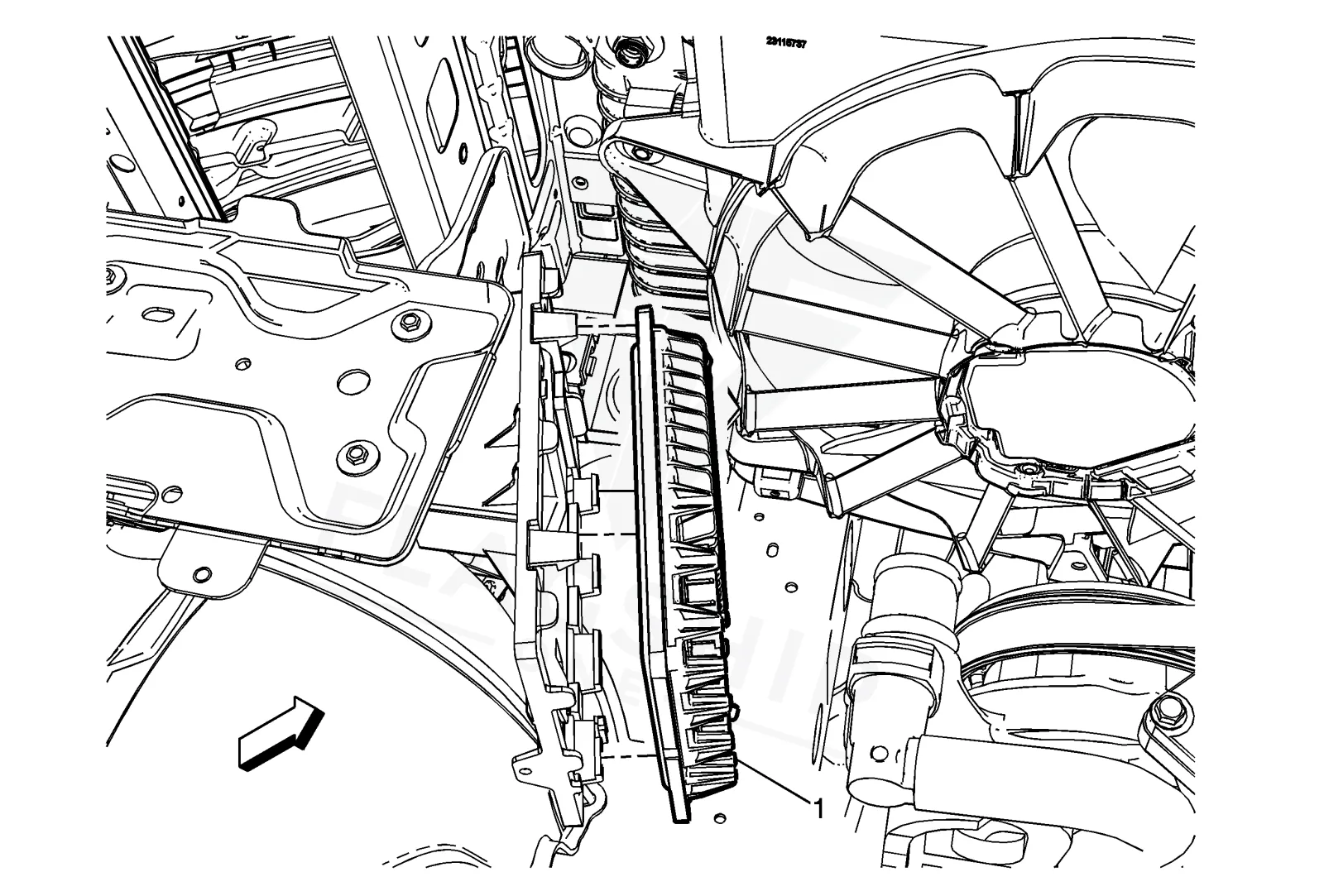
Work with the ignition off, and treat the module as static-sensitive: avoid touching the connector pins at any point.
| Operation | Configuration | Book Time |
|---|---|---|
| Powertrain Control Module R&R | All configurations | 0.6 hr |
| Powertrain Control Module Relearn | All configurations | 0.5 hr |
| Engine Control Module Relearn | All configurations | 0.5 hr |
| Engine Control Module Reset | All configurations | 0.3 hr |
| Engine Control Module R&R | All configurations | 0.6 hr |
A failing Engine Control Module in your 2015 GMC Yukon may produce a range of symptoms, often starting with subtle drivability issues before escalating to more severe problems. You might notice the engine stalling unexpectedly, especially at idle or during deceleration, or experiencing rough running conditions that feel like misfires. In some cases, the vehicle may refuse to start altogether, leaving you stranded. Another common sign is the illumination of the check engine light, often accompanied by trouble codes like internal control module memory checksum error. These codes indicate that the module’s memory has been corrupted or that its internal circuits are malfunctioning. You may also encounter communication issues with scan tools, where the ECM fails to respond or provides incomplete data. Transmission shifting problems can arise as well, since the ECM plays a role in coordinating engine and transmission functions. If you’re experiencing any of these symptoms, it’s worth having the module inspected, as ignoring them could lead to further damage or a complete breakdown.
The 2015 GMC Yukon’s Engine Control Module is associated with several internal trouble codes that indicate potential failures. These codes often point to issues with the module’s memory, processing, or communication capabilities. Addressing them promptly can prevent more severe drivability problems.
Common signs include stalling, rough running, or a no-start condition. You may also see internal trouble codes like P0601 or P0606, which indicate memory or processing issues. A scan tool can help confirm the problem by checking for communication errors with the module.
Replacing the ECM is a straightforward process, but it requires attention to detail. You’ll need to disconnect the battery, remove the old module, and install the new one. However, programming and relearn procedures may require specialized tools, so it’s often best left to professionals if you’re unsure.
Without reprogramming, the new ECM may not communicate properly with your vehicle’s systems, leading to drivability issues or even a no-start condition. The factory procedure ensures the module is calibrated for your specific Yukon, so skipping this step can cause more problems down the road.
The ECM controls fuel delivery and ignition timing. If it malfunctions, it may send incorrect signals to the engine, causing it to stall or run poorly. This is often accompanied by trouble codes or erratic behavior, especially at idle or during acceleration.
Replacing the ECM typically takes about 0.6 hours of labor. The relearn procedure adds another 0.5 hours, depending on the tools used. If you’re using a pre-programmed unit, you can skip the programming step, saving time and reducing the risk of errors.
If your 2015 GMC Yukon is experiencing ECM-related issues, you have a few options for repair. A refurbished or remanufactured module can be a cost-effective solution, especially if it arrives pre-programmed for your vehicle. This eliminates the need for additional programming and reduces downtime. Alternatively, a new OEM module ensures the latest software and calibrations but may come at a higher cost. Weighing these options depends on your budget, time constraints, and the severity of the issue. Regardless of your choice, addressing the problem promptly will help restore your Yukon’s performance and reliability.
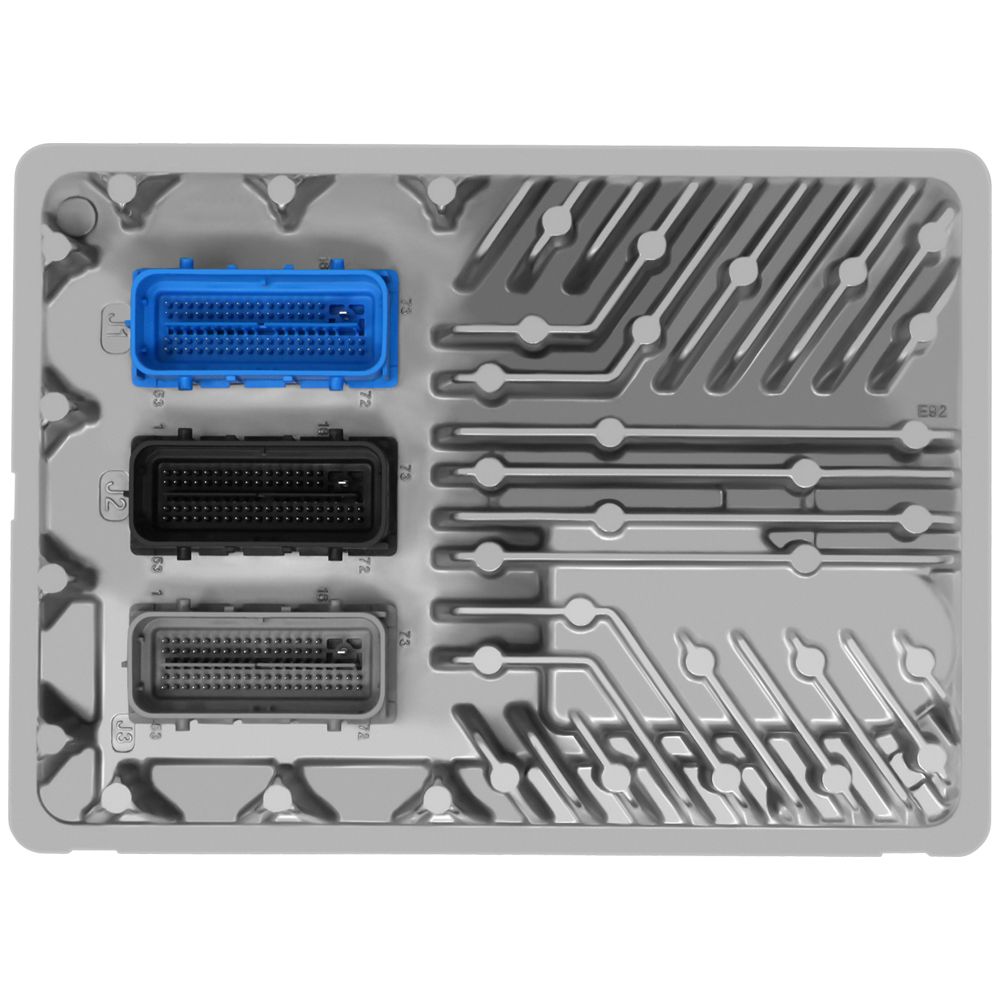
Flagship One stocks a refurbished, VIN-programmed PCM for the 2015 GMC Yukon with a lifetime warranty, free shipping and no core charge. The full GMC Yukon module lineup covers other engine configurations as well.
The Engine Control Module in your 2015 GMC Yukon plays a critical role in keeping your 5.3L V8 running smoothly. When it fails, the symptoms can range from minor annoyances to complete breakdowns, making timely replacement essential. By understanding the module’s function, location, and the steps involved in replacement and programming, you can approach the repair with confidence. Whether you opt for a DIY fix or professional help, addressing ECM issues promptly will help you avoid more extensive repairs down the road. If you’re ready to restore your Yukon’s performance, consider a pre-programmed replacement to simplify the process and get back on the road faster.