
Last updated on August 25th, 2026 at 01:26 pm
The Engine Control Module (ECM) in your 2012 GMC Yukon manages fuel delivery, ignition timing, and emissions systems. Failure may cause drivability issues, poor performance, or complete no-start conditions.
If your 2012 GMC Yukon suddenly stalls, refuses to start, or throws cryptic check-engine lights, the Engine Control Module (ECM) may be failing. This small computer constantly adjusts fuel, spark, and emissions to keep your 5.3L V8 running smoothly. When it malfunctions, you might notice rough idling, poor acceleration, or even a complete loss of power. Replacing it involves more than just swapping parts—proper programming and relearn procedures are essential to restore normal operation. Understanding these steps helps you make informed decisions about repairs and avoid unnecessary complications during the process.
The ECM in your 2012 GMC Yukon acts as the brain of the engine, processing data from sensors to optimize performance and efficiency. It regulates fuel injection, ignition timing, and emissions controls, ensuring the 5.3L V8 operates within factory specifications. A faulty ECM may disrupt these functions, leading to poor drivability or even preventing the engine from starting. When replacement becomes necessary, selecting the correct replacement engine computers for the Yukon ensures compatibility and proper functionality. Without a functioning ECM, your vehicle’s engine management system cannot operate as designed, potentially leaving you stranded.
The ECM in the 2012 GMC Yukon is located near the engine bay, typically mounted on the passenger side of the firewall. Replacing it involves disconnecting the battery, removing electrical connectors, and unbolting the module from its bracket. The factory labor time for ECM removal and reinstallation is 1.4 hours. After installation, a relearn procedure is required, which may take an additional 0.5 hours. Always capture ECM data with a scan tool before removal to preserve vehicle-specific settings. Proper torque on mounting bolts is critical to prevent damage or misalignment during reassembly.
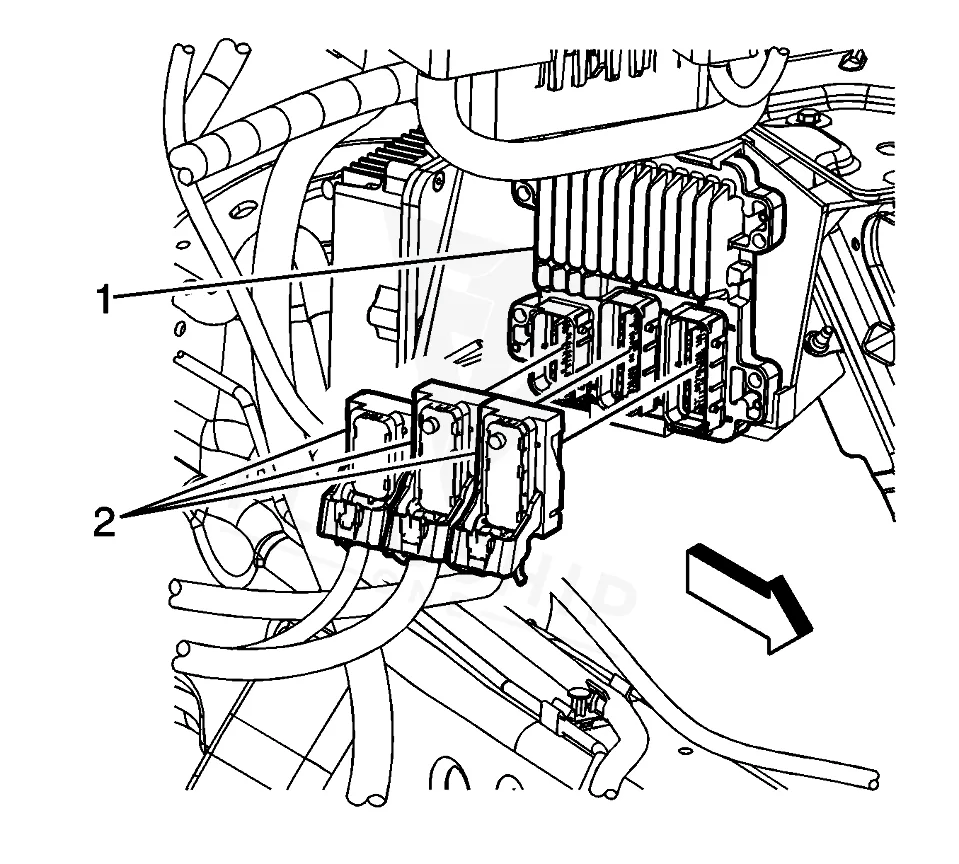
Work with the ignition off, and treat the module as static-sensitive: avoid touching the connector pins at any point.
| Operation | Configuration | Book Time |
|---|---|---|
| Powertrain Control Module R&R | All configurations | 1.4 hr |
| Powertrain Control Module Relearn | All configurations | 0.5 hr |
| Engine Control Module Relearn | All configurations | 0.5 hr |
| Engine Control Module Reset | All configurations | 0.3 hr |
| Engine Control Module R&R | All configurations | 1.4 hr |
2012 GMC Yukon
OEM programmed ECM for your 2012 GMC Yukon — plug & play, no dealer visit.
Free shipping · Lifetime warranty
After replacing the ECM in your 2012 GMC Yukon, the module must be reprogrammed with the correct calibration files for your vehicle. This process requires specialized equipment and software to ensure proper communication with the engine and transmission systems. Factory procedures also include a relearn step, which typically takes 0.5 hours to complete. However, when you install a VIN-programmed replacement unit, these steps are already handled, saving time and reducing the risk of programming errors. Always follow the manufacturer’s guidelines to avoid drivability issues or fault codes after installation.
A failing ECM in your 2012 GMC Yukon may cause a range of symptoms, including intermittent stalling, rough idling, or a no-start condition. You might also notice poor acceleration, misfires, or the check engine light illuminating with internal fault codes. One common code, internal control module memory checksum error, often indicates a corrupted ECM memory that requires replacement. Additionally, scan tool communication issues or erratic shifting in the transmission may point to ECM problems. If these symptoms appear, prompt diagnosis is recommended to prevent further drivability issues.
The 2012 GMC Yukon’s ECM may store specific trouble codes when internal faults occur. These codes help diagnose issues related to memory corruption, communication errors, or processing failures within the module itself.
Factory service bulletins for the 2012 GMC Yukon address ECM-related concerns, including part restrictions and fault code diagnostics. Bulletin #PIP4954A specifies limitations for the E78 ECM with part number 12643636, while #PIP4653D covers troubleshooting for codes P0601, P0603, P0604, P062F, or P1621 when stored in the transmission control module. These bulletins provide guidance for technicians diagnosing and repairing ECM-related issues to ensure proper vehicle operation.
| Bulletin | Subject | What It Addresses |
|---|---|---|
| — | PQC Part Restriction – E78 ECM Part Number 12643636 – (Jul 20, 2012) | — |
| — | DTC’s P0601 P0603 P0604 P062F Or P1621 (Stored in the TCM) – (Jun 20, 2012) | — |
While physically replacing the ECM is straightforward, programming and relearn procedures require specialized tools and software. Without proper equipment, the vehicle may not start or run correctly. Professional installation is recommended to avoid complications.
Stalling after ECM replacement often indicates an incomplete relearn procedure or incorrect programming. The module must synchronize with the engine and transmission systems to operate properly. A scan tool is needed to complete the process.
Common signs include stalling, no-start conditions, or stored internal fault codes like P0601. Poor acceleration, misfires, or erratic shifting may also indicate ECM issues. A diagnostic scan can confirm the problem.
When your 2012 GMC Yukon’s ECM fails, you have options for repair or replacement. A refurbished module can restore functionality at a lower cost than a new unit, but proper programming is essential. Given the labor involved, selecting a pre-programmed replacement ensures a smoother installation process and reduces the risk of post-installation issues.
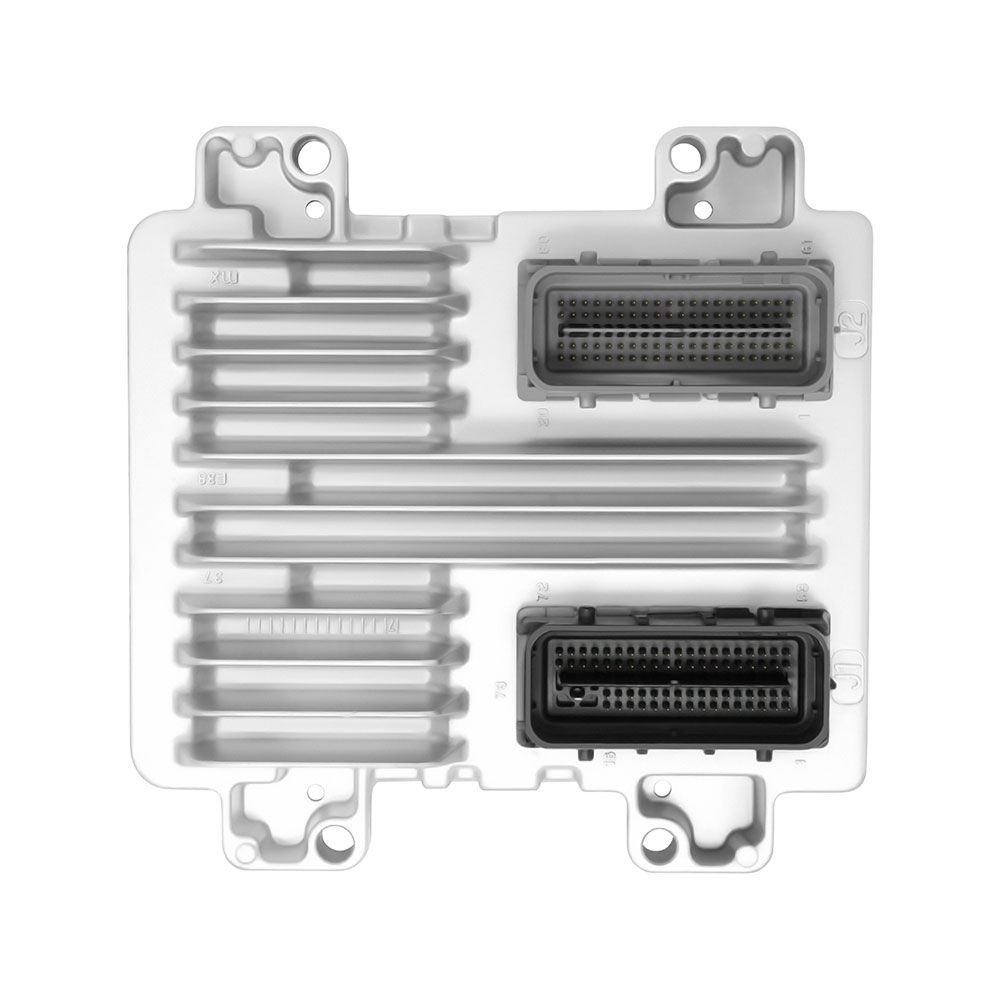
Flagship One stocks a refurbished, VIN-programmed PCM for the 2012 GMC Yukon with a lifetime warranty, free shipping and no core charge. The full GMC Yukon module lineup covers other engine configurations as well.
The ECM in your 2012 GMC Yukon plays a critical role in engine performance and drivability. If you experience stalling, no-start conditions, or internal fault codes, replacement may be necessary. Understanding the labor, programming, and prevention steps helps you make informed decisions about repairs and maintain your vehicle’s reliability.