
Last updated on August 25th, 2026 at 01:27 pm
The Engine Control Module (ECM) in your 2007 GMC Yukon acts as the vehicle’s brain, managing fuel delivery, ignition timing, and emissions systems. Failure may cause drivability issues, including stalling, poor acceleration, or diagnostic trouble codes related to internal memory or processor faults.
If your 2007 GMC Yukon suddenly refuses to start, stalls unexpectedly, or triggers a check engine light with no clear cause, the Engine Control Module (ECM) may be at fault. This compact computer oversees nearly every aspect of engine performance, from fuel injection to ignition timing, and its failure can leave you stranded. Replacing the ECM isn’t just about swapping a part—it involves precise labor steps, data preservation, and reprogramming to ensure your Yukon runs as intended. Understanding the process helps you make informed decisions, whether you’re tackling the job yourself or working with a shop. You’ll learn what the ECM does, where it’s located, how replacement works, and why choosing the right replacement unit matters for your vehicle’s reliability.
The Engine Control Module in your 2007 GMC Yukon serves as the central processor for engine management, interpreting signals from sensors to optimize performance, fuel efficiency, and emissions. It adjusts fuel delivery based on throttle position, monitors oxygen levels to fine-tune the air-fuel mixture, and ensures the ignition system fires at the correct moment. Without a functioning ECM, your Yukon may struggle to start, run roughly, or even enter a protective limp mode to prevent damage. Over time, electrical stress, heat, or voltage spikes can degrade the module’s internal components, leading to intermittent or complete failure. When replacement becomes necessary, you’ll need replacement engine computers for the Yukon that match your vehicle’s specifications, as the ECM must communicate seamlessly with the transmission, body control module, and other systems to maintain smooth operation.
The ECM in your 2007 GMC Yukon is mounted in the engine compartment, typically secured to the firewall or inner fender for protection from heat and moisture. Accessing it requires removing the plastic engine cover and possibly disconnecting nearby wiring harnesses or vacuum lines to reach the mounting bolts. Once exposed, the module is held in place by two or three bolts, which must be removed before gently unplugging the electrical connector. Reinstallation follows the reverse process, ensuring the connector is fully seated and the bolts are tightened to the manufacturer’s specifications. Labor guides estimate 1.4 hours for the removal and replacement process, though this may vary slightly depending on the technician’s familiarity with the Yukon’s layout. After installation, a relearn procedure is required, adding another 0.5 hours to the job to synchronize the ECM with the vehicle’s systems.
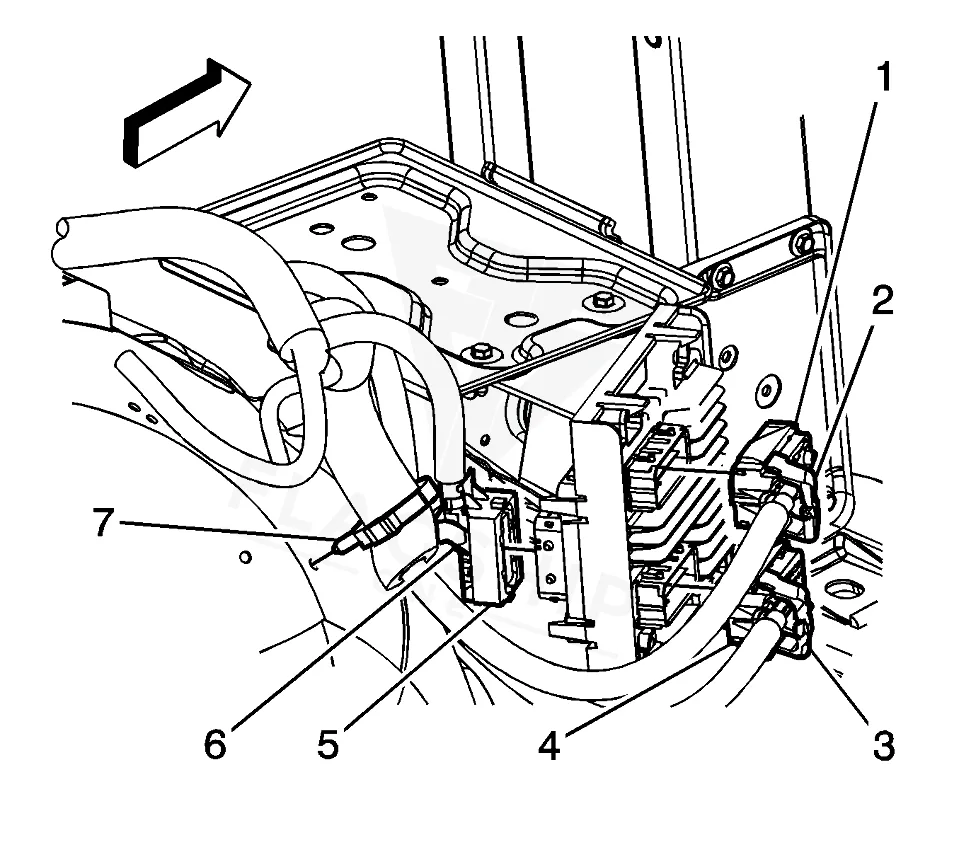
Work with the ignition off, and treat the module as static-sensitive: avoid touching the connector pins at any point.
| Operation | Configuration | Book Time |
|---|---|---|
| Powertrain Control Module R&R | Yukon | 1.4 hr |
| Powertrain Control Module R&R | Yukon XL 1500 | 1.4 hr |
| Powertrain Control Module R&R | Yukon XL 2500 | 1.4 hr |
| Powertrain Control Module Relearn | Yukon | 0.5 hr |
| Powertrain Control Module Relearn | Yukon XL 1500 | 0.5 hr |
| Powertrain Control Module Relearn | Yukon XL 2500 | 0.5 hr |
| Engine Control Module Relearn | Yukon | 0.5 hr |
| Engine Control Module Relearn | Yukon XL 1500 | 0.5 hr |
2007 GMC Yukon
OEM programmed ECM for your 2007 GMC Yukon — plug & play, no dealer visit.
Free shipping · Lifetime warranty
Before removing the original ECM from your 2007 GMC Yukon, the factory procedure requires using a scan tool to capture the module’s stored data, including fuel trims, transmission adaptations, and vehicle-specific calibrations. This data must then be restored into the new ECM to ensure proper operation, a step that adds complexity to the replacement process. However, when you install a VIN-programmed replacement unit, these settings are pre-loaded, eliminating the need for manual data transfer. This not only saves time but also reduces the risk of errors during reprogramming, which can lead to drivability issues or even damage to other components. The relearn procedure, which takes about 0.5 hours, still applies to ensure the new ECM communicates correctly with the rest of the vehicle’s systems, but the initial data capture and restoration steps are bypassed entirely.
A failing ECM in your 2007 GMC Yukon may produce a range of symptoms, some subtle and others immediately noticeable. One of the most common signs is a no-start condition, where the engine cranks but refuses to fire, often due to the ECM failing to send the correct signals to the fuel injectors or ignition coils. Stalling or rough idling may also occur, particularly when the module struggles to maintain consistent fuel delivery or ignition timing. You might notice the check engine light illuminating, sometimes accompanied by codes like internal control module memory checksum error, which indicates a fault within the ECM’s memory or processing capabilities. Other potential issues include poor acceleration, transmission shifting problems, or even a complete loss of communication with the scan tool, leaving you unable to retrieve diagnostic codes. In some cases, the vehicle may enter a limp mode, limiting engine power to prevent further damage. These symptoms can mimic other problems, such as fuel pump failure or sensor issues, so proper diagnosis is essential to avoid unnecessary repairs.
When the ECM in your 2007 GMC Yukon fails, it often sets one or more module-specific trouble codes. These codes point directly to internal faults within the ECM, helping narrow down the diagnosis before replacement. Below are the documented codes for this vehicle.
A failing ECM often triggers multiple, unrelated trouble codes or causes symptoms that don’t align with a single sensor failure, such as stalling or no-start conditions. If the scan tool can’t communicate with the ECM at all, that’s a strong indicator of module failure. However, a professional diagnosis is recommended to rule out wiring or connector issues before replacing the ECM.
Replacing the ECM is a straightforward mechanical process, but it requires careful handling of electrical components and adherence to factory procedures. If you’re comfortable working with wiring and have a scan tool to capture ECM data, you can do it yourself. However, if you’re unsure about the programming or relearn steps, a shop can ensure the job is done correctly.
Without capturing the ECM data, the new module won’t have the vehicle’s stored adaptations, such as fuel trims or transmission shift points. This can lead to poor drivability, including rough idling, hesitation, or shifting issues. In some cases, the vehicle may not start at all until the data is restored or the ECM is reprogrammed.
The relearn procedure allows the new ECM to synchronize with the vehicle’s other systems, such as the transmission, body control module, and anti-lock brakes. This ensures all components communicate properly and the engine runs smoothly. Skipping this step may result in poor performance or even trigger additional trouble codes.
Driving with a failing ECM can lead to unpredictable behavior, such as sudden stalling or loss of power, which poses a safety risk. Additionally, a faulty ECM may cause the engine to run too rich or too lean, potentially damaging the catalytic converter or other emissions components over time. Addressing ECM issues promptly is the best way to avoid costly repairs.
If your 2007 GMC Yukon is experiencing ECM-related issues, you have two main options: repair the existing module or replace it with a new or refurbished unit. While repairs may be possible for minor issues, replacement is often the more reliable choice, especially if the module has internal faults like memory corruption or processor failure. A VIN-programmed replacement unit ensures your Yukon runs as intended without the hassle of manual data transfer, making the process smoother and more efficient.
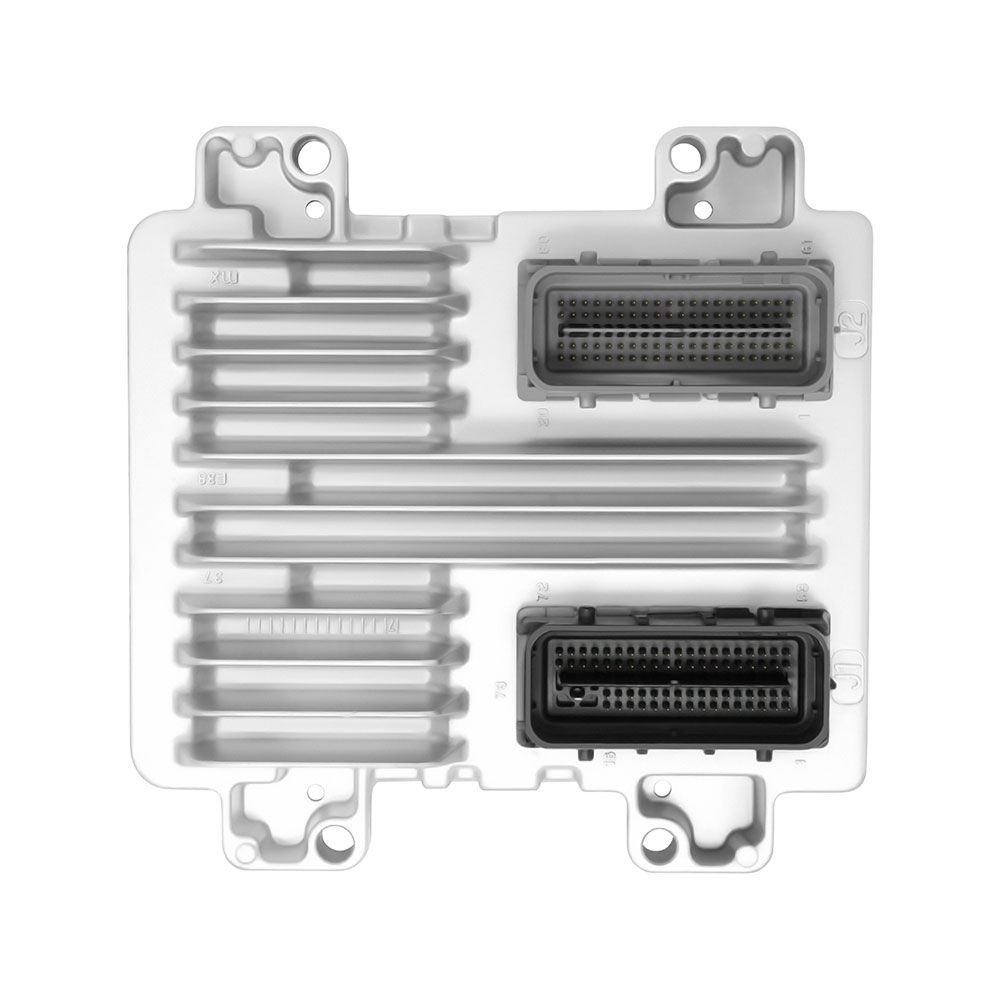
Flagship One stocks a refurbished, VIN-programmed PCM for the 2007 GMC Yukon with a lifetime warranty, free shipping and no core charge. The full GMC Yukon module lineup covers other engine configurations as well.
The Engine Control Module in your 2007 GMC Yukon plays a critical role in keeping your vehicle running smoothly, and its failure can lead to frustrating and potentially dangerous symptoms. Whether you’re dealing with a no-start condition, stalling, or module-specific trouble codes, understanding the replacement process helps you make informed decisions. With the right tools and a VIN-programmed replacement unit, you can restore your Yukon’s performance and reliability without unnecessary delays.