
Last updated on August 25th, 2026 at 01:28 pm
The Powertrain Control Module (PCM) in your 2004 GMC Safari manages fuel delivery, ignition timing, and emissions controls for the 4.3L V6. Failures may cause hard starts, stalling, or stored internal trouble codes like P0601, often triggered by voltage spikes or corrosion.
If your 2004 GMC Safari is experiencing unexplained stalling, a no-start condition, or persistent check-engine lights, the Powertrain Control Module (PCM) may be the culprit. This critical computer governs everything from fuel injection to transmission shifting, making it essential for smooth operation. Replacing it isn’t just about swapping hardware—proper installation and programming are key to avoiding repeat issues. Understanding the role of the PCM, where it’s located, and what to expect during replacement can save you time and frustration. Whether you’re diagnosing a stubborn trouble code or preparing for a repair, knowing these details helps you make informed decisions about your vehicle’s health.
The Powertrain Control Module (PCM) in your 2004 GMC Safari acts as the brain of the engine and transmission, continuously adjusting fuel delivery, ignition timing, and emissions systems based on sensor inputs. Without it, the 4.3L V6 wouldn’t know when to inject fuel or how to optimize performance under varying conditions. Over time, voltage fluctuations, moisture intrusion, or internal component wear may compromise its function, leading to drivability issues. When replacement becomes necessary, choosing replacement engine computers for the Safari ensures compatibility with your van’s specific powertrain configuration. A faulty PCM doesn’t always fail outright—it may instead cause intermittent problems like rough idling or poor acceleration, making diagnosis tricky without proper scan tools.
The PCM in the 2004 GMC Safari is mounted in the engine bay, typically secured behind a protective cover near the firewall. Accessing it requires removing this cover, which may involve unbolting a few fasteners. Once exposed, the module is held in place by a connector and mounting screws. Labor guides estimate 1.0 hours for removal and reinstallation, though this doesn’t include programming time. Before disconnecting the module, the ignition must be turned off to prevent internal damage. The factory also warns against touching the connector pins or circuit board components to avoid electrostatic discharge (ESD), which could render the new unit inoperative. After installation, the replacement PCM must be programmed to match your vehicle’s VIN and calibration data.
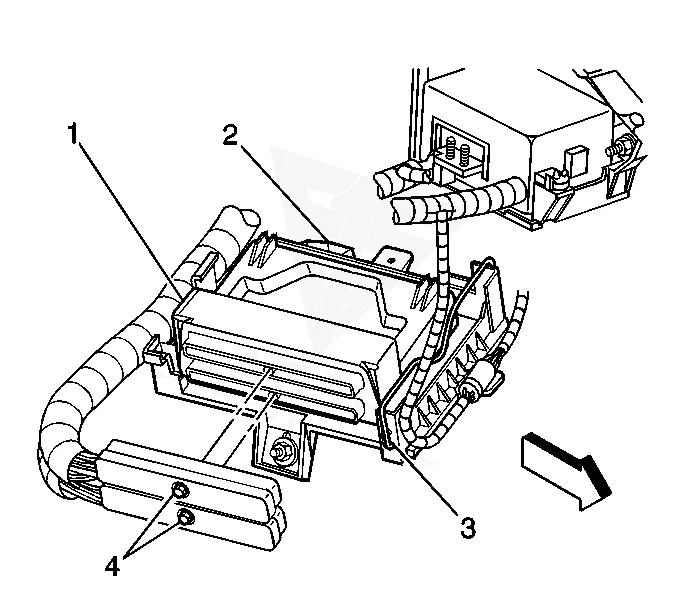
Work with the ignition off, and treat the module as static-sensitive: avoid touching the connector pins at any point.
| Operation | Configuration | Book Time |
|---|---|---|
| Powertrain Control Module R&R | All configurations | 1.0 hr |
| Engine Control Module Reset | All configurations | 0.3 hr |
| Engine Control Module R&R | All configurations | 1.0 hr |
2004 GMC Safari
OEM programmed ECM for your 2004 GMC Safari — plug & play, no dealer visit.
Free shipping · Lifetime warranty
After installing a new PCM in your 2004 GMC Safari, the factory requires a programming procedure to synchronize the module with your vehicle’s VIN and emission standards. This step ensures the engine runs efficiently and passes emissions tests. However, opting for a VIN-programmed replacement unit eliminates the need for this additional step, as the module arrives pre-configured for your van. Without pre-programming, you’d need to visit a dealer or equipped repair shop to complete the process, adding time and cost. The factory also specifies that the ignition must remain off during power disconnection to prevent damage, a precaution that applies whether you’re installing a new or refurbished module.
A failing PCM in your 2004 GMC Safari may produce a range of symptoms, from subtle drivability issues to complete no-start conditions. Common signs include stalling at idle, rough acceleration, or the check-engine light illuminating with internal module codes. For example, a memory integrity fault often points to corrupted PCM software or hardware failure, while other codes like P0603 or P0606 may indicate power supply problems or processor errors. You might also notice the transmission shifting erratically or the engine misfiring under load. In some cases, the vehicle may crank but fail to start, as the PCM isn’t sending the correct signals to the fuel injectors or ignition system. Scan-tool communication issues—where the tool can’t connect to the PCM at all—are another red flag. These symptoms don’t always appear simultaneously, so even intermittent problems warrant attention.
The 2004 GMC Safari’s PCM may store specific internal trouble codes when the module itself is failing. These codes typically begin with P06xx or P16xx and indicate issues like memory corruption, processor faults, or communication errors. Addressing them promptly can prevent further drivability problems.
Driving with a P0601 code may be possible temporarily, but it’s risky. This code indicates a memory integrity fault in the PCM, which could lead to stalling, misfires, or a no-start condition. If the module fails completely while driving, you could lose power unexpectedly. It’s best to diagnose and address the issue as soon as possible.
Stalling after a PCM replacement often points to a programming issue. The new module must be calibrated to your vehicle’s VIN and engine specifications. If it wasn’t programmed correctly, the engine may not receive the proper fuel or ignition signals. A pre-programmed unit avoids this problem by arriving ready for installation.
Symptoms of a bad PCM include no-start conditions, stalling, rough idling, or stored internal trouble codes like P0601 or P0603. If your scan tool can’t communicate with the PCM at all, that’s another strong indicator. However, these symptoms can overlap with other issues, so proper diagnosis is essential.
Yes, a weak or failing battery may cause voltage spikes or drops that stress the PCM. Over time, this can lead to internal damage or corruption of the module’s software. Keeping your battery and charging system in good condition helps protect sensitive electronics like the PCM.
In your vehicle, the terms PCM (Powertrain Control Module) and ECM (Engine Control Module) are often used interchangeably, but the PCM typically includes transmission control functions as well. The 2004 GMC Safari’s PCM manages both engine and transmission operations, making it a more integrated unit than an ECM alone.
If your 2004 GMC Safari is showing signs of PCM failure, you have options beyond a costly dealer visit. A refurbished replacement module can restore functionality without the wait or expense of a new unit. Since programming is required for proper operation, choosing a pre-configured module ensures a smoother installation process. Whether you’re dealing with a no-start condition or persistent trouble codes, addressing the issue promptly can prevent further complications.
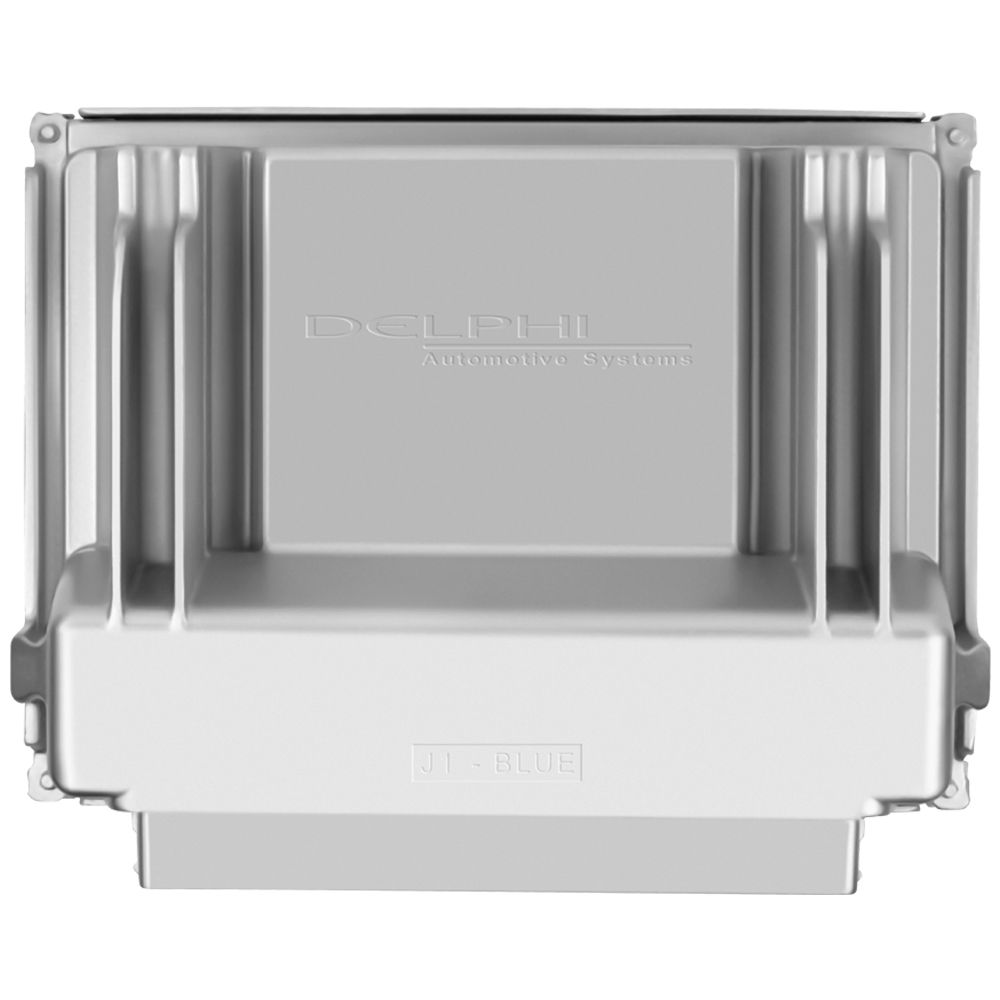
Flagship One stocks a refurbished, VIN-programmed PCM for the 2004 GMC Safari with a lifetime warranty, free shipping and no core charge. The full GMC Safari module lineup covers other engine configurations as well.
The 2004 GMC Safari relies on its PCM to keep the 4.3L V6 running smoothly, and ignoring signs of failure can lead to bigger problems down the road. Whether you’re replacing the module due to a no-start condition or internal trouble codes, understanding the process helps you make the right repair choices. With the right precautions and a properly programmed unit, your van can return to reliable service without unnecessary delays.