
Last updated on August 25th, 2026 at 01:13 pm
The Powertrain Control Module (PCM) and Engine Control Module (ECM) in your 2003 GMC Envoy are the primary computers managing engine operation, transmission shifting, and emissions systems. When internal memory fails, the vehicle may stall, refuse to start, or set multiple fault codes.
If your 2003 GMC Envoy is experiencing hard-starting, stalling, or has suddenly developed multiple unrelated fault codes, the Powertrain Control Module (PCM) may be failing. This integrated computer handles engine management, transmission control, and emissions monitoring for the 5.3L V8 engine in your Envoy. Unlike simple sensor failures, module-internal faults often cascade into broader drivability issues because the PCM houses both the engine control (ECM) and transmission control functions in a single unit. This guide explains what the PCM does in your specific vehicle, common failure symptoms, replacement labor considerations, and the critical programming requirements that must be followed after installing a new or refurbished unit. Understanding these factors helps you make informed decisions about repair options and recognize why professional replacement is strongly recommended for this model.
The Powertrain Control Module in your 2003 GMC Envoy serves as the central nervous system for the vehicle’s powertrain. This computer processes inputs from dozens of sensors throughout the engine and transmission, then commands outputs to fuel injectors, ignition coils, transmission solenoids, and emissions components. The module contains non-volatile memory that stores calibration data, VIN information, and adaptive learn values specific to your vehicle. When the internal processor or memory circuitry develops a fault, the module may enter a limited-operation mode, fail to communicate with diagnostic tools, or default to failsafe settings that severely restrict drivability. Because the PCM integrates both engine control (ECM) and transmission control functions, a failure affects everything from idle quality to shift firmness. The 5.3L V8 in your Envoy relies on this module to manage variable valve timing, cylinder deactivation, and the 4-speed automatic transmission’s shift points. replacement engine computers for the Envoy are available from suppliers that pre-program the units with your specific VIN and calibration data before shipping.
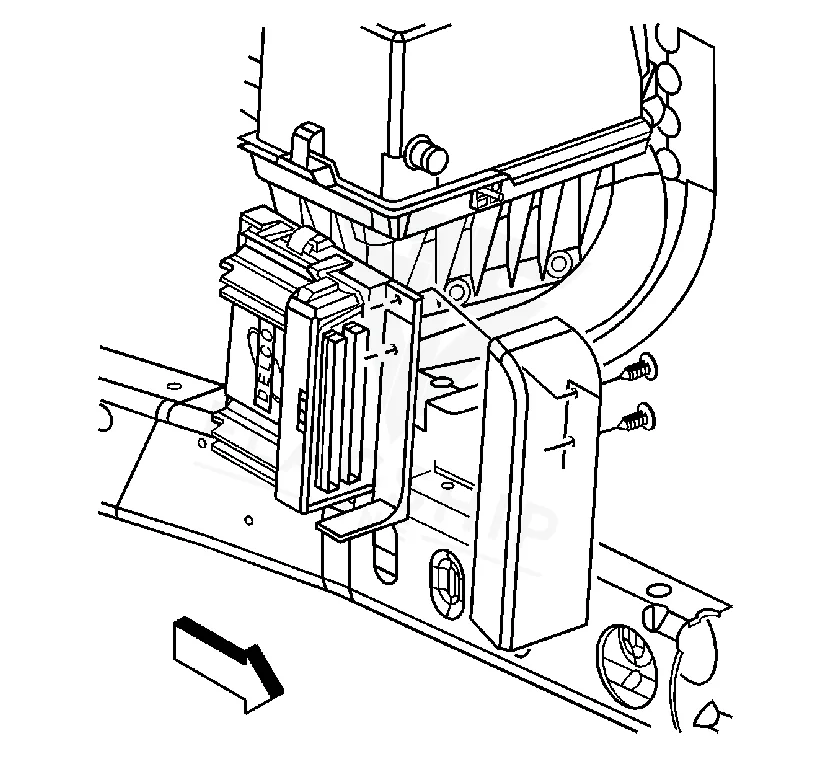
Work with the ignition off, and treat the module as static-sensitive: avoid touching the connector pins at any point.
| Operation | Configuration | Book Time |
|---|---|---|
| Powertrain Control Module R&R | Envoy | 1.4 hr |
| Powertrain Control Module R&R | Envoy XL | 1.4 hr |
| Powertrain Control Module Relearn | Envoy | 0.5 hr |
| Powertrain Control Module Relearn | Envoy XL | 0.5 hr |
| Engine Control Module Relearn | Envoy | 0.5 hr |
| Engine Control Module Relearn | Envoy XL | 0.5 hr |
| Engine Control Module Reset | Envoy | 0.3 hr |
| Engine Control Module Reset | Envoy XL | 0.3 hr |
2003 GMC Envoy
OEM programmed ECM for your 2003 GMC Envoy — plug & play, no dealer visit.
Free shipping · Lifetime warranty
Following module replacement, the factory procedure requires performing a relearn sequence to allow the new PCM to adapt to your vehicle’s specific engine characteristics. The relearn procedure takes approximately 0.5 hours and establishes new adaptive fuel and timing tables. Additionally, an ECM reset procedure of 0.3 hours clears any stored learned values from the old module and initializes default calibrations. A critical factory caution states that programming should only be performed when directed by a service procedure or General Motors service bulletin—programming at other times may not permanently address the customer’s concern. Another caution warns never to turn off the ignition if programming is interrupted, and all DLC and PCM connections must be secure with up-to-date Techline software. a VIN-programmed replacement unit from Flagship One arrives already configured with your vehicle’s VIN and calibration data, meaning the programming steps that would normally require Tech 2 equipment and software updates have already been completed before the unit reaches you.
When the PCM or ECM develops an internal fault in a 2003 GMC Envoy, several distinct patterns typically emerge. The most concerning symptom is a no-start condition where the engine cranks normally but receives no fuel or spark because the module fails to process sensor inputs. Stalling after startup is common, especially when the module loses its adaptive memory or experiences momentary internal resets. Multiple unrelated trouble codes may appear simultaneously—including checksum errors, processor faults, and communication failures—because the internal memory is corrupted. A dead scan tool connection, where the Tech 2 or other diagnostic scanner cannot establish communication with the PCM, strongly suggests module-internal failure rather than a wiring issue. Transmission shifting problems manifest as harsh shifts, failure to shift out of gear, or the vehicle becoming stuck in limp-in mode. The check engine light may flash continuously or remain steady, and you may notice rough idle, decreased power, or poor fuel economy as the module struggles to maintain proper calibration. internal memory checksum fault specifically indicates that the PCM’s internal non-volatile memory has detected a data integrity failure.
The 2003 GMC Envoy’s PCM is documented to set multiple module-internal trouble codes when internal circuitry fails. These codes originate within the module itself rather than from external sensors, making them particularly indicative of PCM replacement needs rather than component repairs.
A used PCM from a salvage yard will require programming with your VIN and may have unknown internal damage. Additionally, the factory cautions against programming unless directed by a service procedure, and a used unit carries no warranty protection for the critical functions your vehicle requires.
When internal module memory becomes corrupted, the PCM may lose the ability to process multiple sensor inputs correctly. This causes a cascade of faults across different systems—fuel, ignition, transmission, and emissions—because the module is the central processor for all these functions rather than individual sensors failing independently.
A properly programmed replacement PCM should restore full functionality, but the vehicle may need to complete a relearn cycle spanning several drive cycles before adaptive tables fully optimize. Fuel economy often returns to factory specifications once the new module calibrates to your specific engine’s characteristics.
While basic hand tools suffice for physical removal and installation, the relearn and reset procedures typically require a GM scan tool like Tech 2. However, purchasing a VIN-programmed replacement unit from Flagship One eliminates the need for programming equipment, as the unit arrives ready to install.
The factory caution explicitly warns against turning off the ignition during programming. Interruptions can leave the module in an unusable state requiring replacement. Ensuring stable power, secure connections, and updated software before beginning programming prevents this scenario.
When your 2003 GMC Envoy requires PCM replacement, you have two primary paths: a new or refurbished unit from a supplier like Flagship One that arrives VIN-programmed and ready to install, or a used salvage yard unit requiring professional programming. The pre-programmed option eliminates the complexity of Tech 2 equipment and software updates while providing warranty coverage. Given the integrated nature of the PCM/ECM in this model and the critical functions it performs, the added cost of a quality replacement unit is typically justified by reduced installation complications and reliable long-term operation.
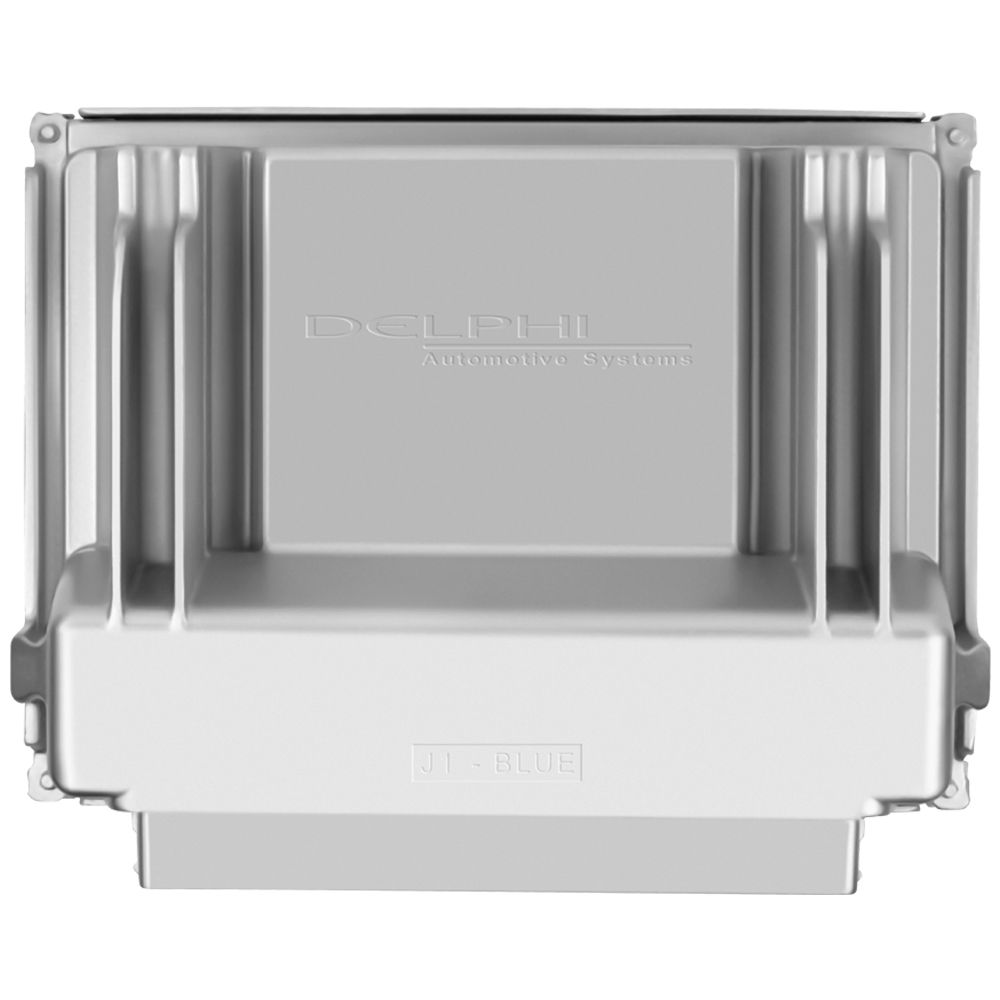
Flagship One stocks a refurbished, VIN-programmed PCM for the 2003 GMC Envoy with a lifetime warranty, free shipping and no core charge. The full GMC Envoy module lineup covers other engine configurations as well.
The 2003 GMC Envoy’s PCM handles essential engine and transmission functions that affect drivability, reliability, and emissions compliance. Recognizing failure symptoms early and understanding the replacement and programming requirements helps you make sound repair decisions. Whether you choose professional service or a DIY approach with a pre-programmed unit, ensuring the new module is properly matched to your vehicle’s VIN and calibrated correctly restores the full functionality your Envoy was designed to deliver.