
Last updated on August 25th, 2026 at 01:29 pm
In the 2000 GMC Envoy 4.3L, the PCM controls engine timing, fuel delivery, and transmission shifts. Failure in this module can cause misfires, rough idling, or loss of communication with diagnostic tools.
If you own a 2000 GMC Envoy 4.3L and notice unexpected engine behavior or diagnostic trouble codes, the Powertrain Control Module (PCM) is a likely culprit. This guide explains what the PCM does in your vehicle, why it matters, and how to replace it safely. You’ll learn the exact location of the unit, the labor required, and the factory procedure for reprogramming. With this information, you can decide whether to repair the existing PCM or opt for a refurbished replacement that comes pre‑programmed, saving time and reducing risk of error.
The PCM in a 2000 GMC Envoy 4.3L is the central brain that coordinates the engine and transmission. It reads data from sensors such as crankshaft position, camshaft position, throttle position, and coolant temperature, then adjusts fuel injection timing, spark advance, and shift points. This module also manages idle speed, emissions, and vehicle stability control. If the PCM fails, the engine may stall, misfire, or refuse to start, and the vehicle may lose communication with the OBD‑II scanner. replacement engine computers for the 2000 GMC Envoy 4.3L The PCM’s importance is highlighted by the fact that internal trouble codes like P0601–P0605 and P1621–P1631 are specifically tied to processor or communication errors within this module. Accurate reprogramming and proper handling of connector pins are essential to prevent further damage.
2000 GMC Envoy 4.3L
OEM programmed ECM for your 2000 GMC Envoy 4.3L — plug & play, no dealer visit.
Free shipping · Lifetime warranty
The PCM is located in the engine bay, mounted on the firewall behind the driver’s side of the vehicle. To access it, you must remove the lower portion of the dash trim and disconnect the battery negative cable to avoid accidental shorting. The replacement process typically requires 2–3 hours of labor, with the technician following the factory’s access steps. After removal, the new unit is installed in the same position and the battery is reconnected. Torque specifications for the mounting bolts are not provided in the available facts, so a qualified technician should verify proper tightening per the manufacturer’s service manual.
After installing a new PCM, the factory procedure calls for reprogramming the module to match the vehicle’s VIN. Since Flagship One units arrive VIN‑programmed, that step is already completed. The technician therefore only needs to verify the module’s operational status and perform a quick diagnostic check. VIN‑programmed replacement unit eliminates the need for post‑install programming, reducing labor time and the risk of misconfiguration.
A failing PCM in the 2000 GMC Envoy 4.3L often manifests as a rough idle, stalling during acceleration, or the engine refusing to start. Drivers may also notice intermittent misfires and a loss of shift quality in the automatic transmission. When the PCM is compromised, diagnostic scanners may report a dead link or no communication, and internal trouble codes will appear. One common code is Processor Failure which indicates a processor fault within the PCM. Addressing these symptoms promptly can prevent further drivetrain damage.
The following list shows the internal trouble codes that may appear when the PCM in a 2000 GMC Envoy 4.3L experiences faults.
| Code | Meaning | Full Guide |
|---|---|---|
| P0601 | Internal memory checksum error | Full P0601 guide → |
| P0602 | Control module programming error | Full P0602 guide → |
| P0603 | Keep-alive memory (KAM) error | Full P0603 guide → |
| P0604 | Internal RAM error | Full P0604 guide → |
| P0605 | Internal ROM error | Full P0605 guide → |
| P1621 | Control module long-term memory performance | Full P1621 guide → |
| P1626 | Module-internal fault | — |
| P1631 | Module-internal fault | — |
Factory service bulletins relevant to PCM replacement in this vehicle include #99-06-04-053, which details PCM reprogramming procedures, and #02-06-04-057E, which outlines labor assignments for all control module reprogramming. These bulletins guide technicians on correct handling and reprogramming steps.
| Bulletin | Subject | What It Addresses |
|---|---|---|
| 99-06-04-053 | Info – PCM Reprogramming – (Oct 26, 1999) | — |
| 02-06-04-057 | Warranty Admin. – Labor Operation Assignments for All Control Module Reprogramming – (Mar 2, 20 | — |
| 07-00-89-043 | Warranty Admin. – Use of Parts and Components (Including Control Module Calibrations) Not Issue | — |
A qualified technician typically spends 2–3 hours to remove the old PCM, install the new unit, and verify operation. The exact time may vary based on shop workflow.
Because Flagship One units are VIN‑programmed, the reprogramming step is already completed. The technician only needs to confirm the module’s functionality with a diagnostic scan.
Codes such as P0601–P0605, P1621, P1626, and P1631 indicate processor or communication issues within the PCM and warrant immediate inspection.
Yes, a malfunctioning PCM can lead to loss of fuel delivery or ignition timing control, which may cause the engine to stall or fail to start.
Driving with a defective PCM can result in unpredictable engine behavior, potentially compromising safety and leading to further mechanical damage.
Whether you choose to repair the existing PCM or opt for a refurbished replacement, the 2000 GMC Envoy 4.3L benefits from a module that is fully integrated and calibrated for your vehicle’s specific configuration. A reliable PCM ensures smooth engine operation and reduces the risk of future failures.
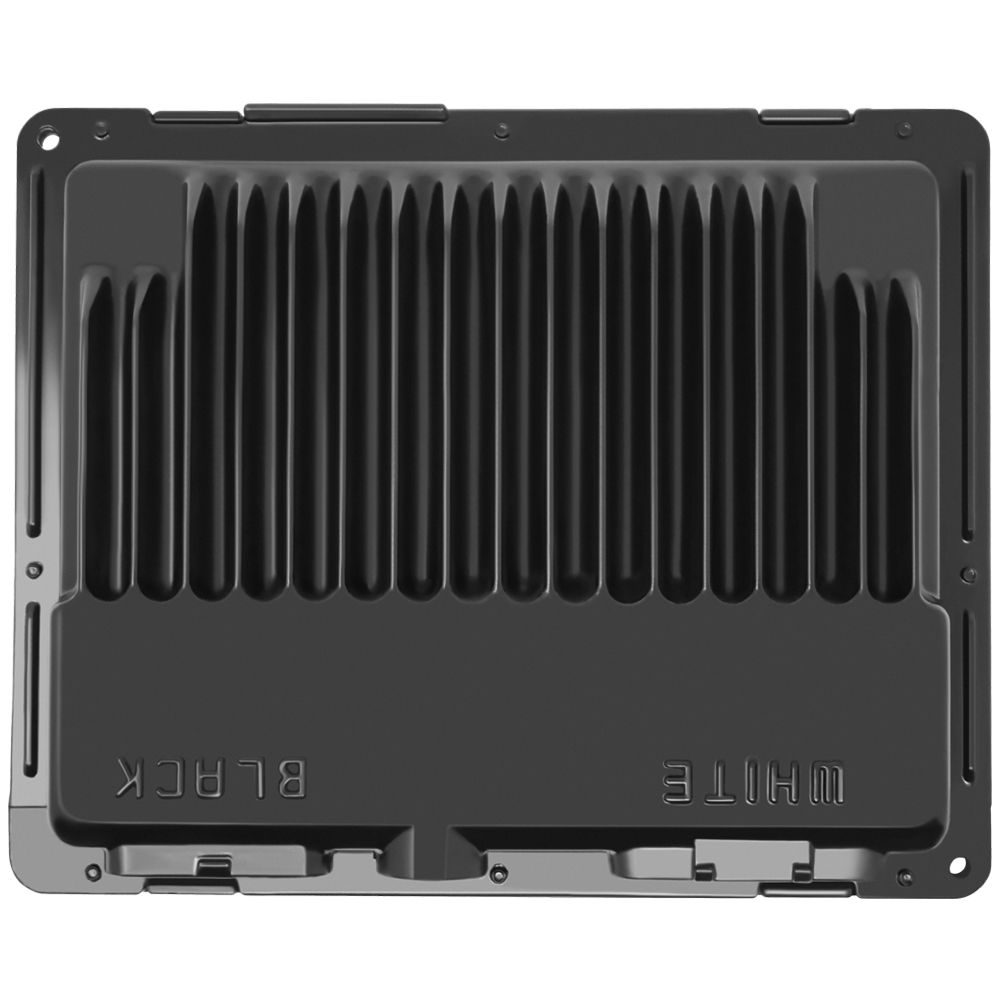
Flagship One stocks a refurbished, VIN-programmed ECM for the 2000 GMC Envoy with a lifetime warranty, free shipping and no core charge. The full GMC Envoy module lineup covers other engine configurations as well.
If you own a 2000 GMC Envoy 4.3L, understanding the role and maintenance of the PCM can help you keep your vehicle running reliably. Consider a certified replacement if trouble codes persist, and schedule a professional inspection to confirm proper operation.