
Last updated on August 25th, 2026 at 01:28 pm
The Powertrain Control Module on the 2002 GMC Yukon XL serves as the central computer managing the 5.3L Vortec engine and 4-speed automatic transmission. It monitors sensor inputs and adjusts fuel delivery, ignition timing, and shift patterns. When internal circuitry fails, the module stops communicating properly with downstream systems, causing drivability symptoms and setting multiple diagnostic trouble codes.
Encountering multiple diagnostic trouble codes on your 2002 GMC Yukon XL can feel overwhelming, especially when the root cause points to the powertrain computer itself. The PCM/ECM serves as the central processing hub for your vehicle’s engine and transmission systems, and when it begins to fail internally, the symptoms can range from subtle drivability concerns to complete driveability loss. This guide explains how the module functions, what replacement involves, and what programming steps are necessary after installation. Understanding these requirements helps you make an informed decision between dealer service and aftermarket replacement options. Whether you are experiencing a no-start condition, persistent check engine light, or shifting irregularities, knowing what the module does and how it fails prepares you for the repair discussion ahead.
The Powertrain Control Module in your 2002 GMC Yukon XL functions as the central electronic brain governing both engine and transmission operation. Mounted under the hood, this unit continuously processes data from dozens of sensors monitoring crankshaft position, camshaft timing, mass airflow, engine temperature, oxygen levels, and vehicle speed. Based on this sensor input, it calculates and adjusts fuel injector pulse width, spark advance, transmission shift points, and emissions control device operation in real time. The module contains an internal EEPROM chip that stores permanent calibration data and learned adaptive values. When this memory circuitry develops faults, the module may lose its programming, corrupt learned parameters, or fail to process sensor data correctly. For owners of the 2002 Yukon XL 1500 equipped with the 5.3L Vortec engine, this module directly controls the automatic transmission’s shift schedule and the variable valve timing system. Replacement requires sourcing replacement engine computers for the Yukon XL that are matched to your specific vehicle configuration and model year.
Flagship One keeps GMC Yukon XL replacement engine computers in stock for exactly this failure pattern.
The PCM on your 2002 GMC Yukon XL is typically mounted in the engine compartment, often on the firewall or near the left inner fender. Access requires disconnecting the negative battery cable with the ignition in the OFF position as specified by factory caution. The module’s electrical connector must be carefully released before removing mounting fasteners. According to published labor references, removal and replacement of the Powertrain Control Module requires approximately 1.4 hours for either the Yukon XL 1500 or Yukon XL 2500 application. After physical installation, additional time is needed for relearn and reset procedures. The connector seal should be inspected and replaced if damaged to prevent future moisture intrusion. Torque specifications for mounting hardware should follow standard practices, typically 35 to 50 inch-pounds for the three or four fasteners securing the module. Always verify that the replacement module’s part number matches your vehicle’s configuration before final installation.
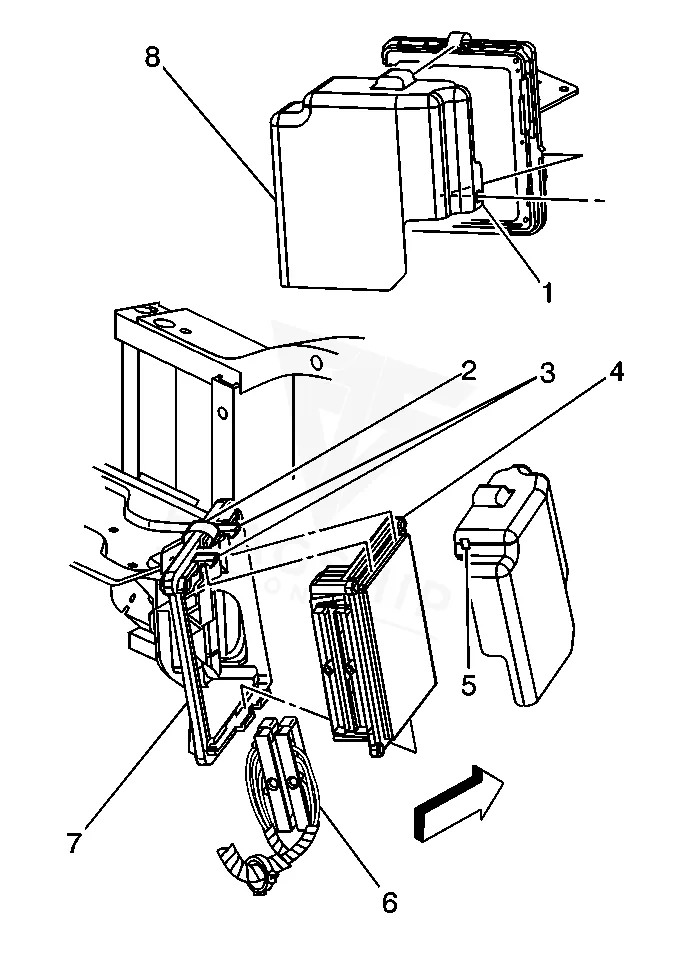
Work with the ignition off, and treat the module as static-sensitive: avoid touching the connector pins at any point.
| Operation | Configuration | Book Time |
|---|---|---|
| Powertrain Control Module R&R | Yukon XL 1500 | 1.4 hr |
| Powertrain Control Module R&R | Yukon XL 2500 | 1.4 hr |
| Powertrain Control Module Relearn | Yukon XL 1500 | 0.5 hr |
| Powertrain Control Module Relearn | Yukon XL 2500 | 0.5 hr |
| Engine Control Module Relearn | Yukon XL 1500 | 0.5 hr |
| Engine Control Module Relearn | Yukon XL 2500 | 0.5 hr |
| Engine Control Module Reset | Yukon XL 1500 | 0.3 hr |
| Engine Control Module Reset | Yukon XL 2500 | 0.3 hr |
2002 GMC Yukon XL
OEM programmed replacements — plug & play, no dealer visit.
Find yours by year, make & model →
Free shipping · Lifetime warranty
After installing the replacement module, the factory service procedure requires performing a PCM relearn and an engine control module reset. Published labor standards assign 0.5 hours for the relearn procedure and 0.3 hours for the reset operation on the 2002 Yukon XL. This sequence allows the new module to adapt to your specific engine’s characteristics and reset learned fuel trim values. Additionally, you must record the remaining engine oil life percentage before disconnection and program this value into the replacement unit, otherwise the system defaults to 100 percent oil life. Units sourced directly from the dealer arrive unprogrammed, necessitating this additional step. However, when you obtain a VIN-programmed replacement unit, the calibration data is pre-loaded at the supplier level, significantly reducing post-installation time and eliminating the need for separate programming equipment. This pre-programming option streamlines the repair process considerably compared to traditional dealer replacement.
Internal PCM failure on your 2002 GMC Yukon XL may manifest across several symptom categories. Engine-related indicators include hard starting, stalling, decreased power, poor fuel economy, and rough idle. Transmission symptoms can include harsh shifting, failure to shift, or staying in a single gear. Many owners report a dead scan tool where the PCM fails to communicate, preventing diagnostic access. When the EEPROM fails internally, multiple trouble codes often appear simultaneously, particularly the P06xx family of codes. If you are seeing internal memory checksum failure, the module has detected corruption within its permanent memory storage, indicating the internal processor cannot reliably store or retrieve calibration data. Additional codes like P0602, P0603, P0604, and others from the documented list reinforce that the problem originates within the module itself rather than in external wiring or sensors. Complete engine shutdown while driving, though less common, can occur with catastrophic internal module failure.
The 2002 GMC Yukon XL equipped with the 5.3L engine in this case generated fourteen separate diagnostic trouble codes, all classified within the P06xx manufacturer-specific category. These codes collectively point to internal module faults rather than circuit-level problems. The codes include P0601 through P0607, P062F, P1600, P1621, P1627, P1680, P1681, and P1683. Each code references a specific internal function or memory location within the module, and their simultaneous presence strongly indicates the PCM requires replacement rather than repair. Understanding that these codes share a common root cause helps avoid wasted diagnostic time chasing individual sensors or wiring harnesses.
When your 2002 GMC Yukon XL requires a new powertrain control module, you face two primary paths: dealer replacement with a blank unit followed by programming, or sourcing a pre-programmed replacement from an aftermarket supplier. Dealer service offers factory-backed parts but requires additional appointment time for programming and typically carries higher labor rates. Aftermarket VIN-programmed units arrive ready to install, potentially reducing your overall service time. Either way, confirming the diagnosis through professional scan tool verification ensures you are addressing the correct component. The multiple diagnostic codes documented for your vehicle provide strong evidence that the module itself is the root cause rather than external wiring concerns.
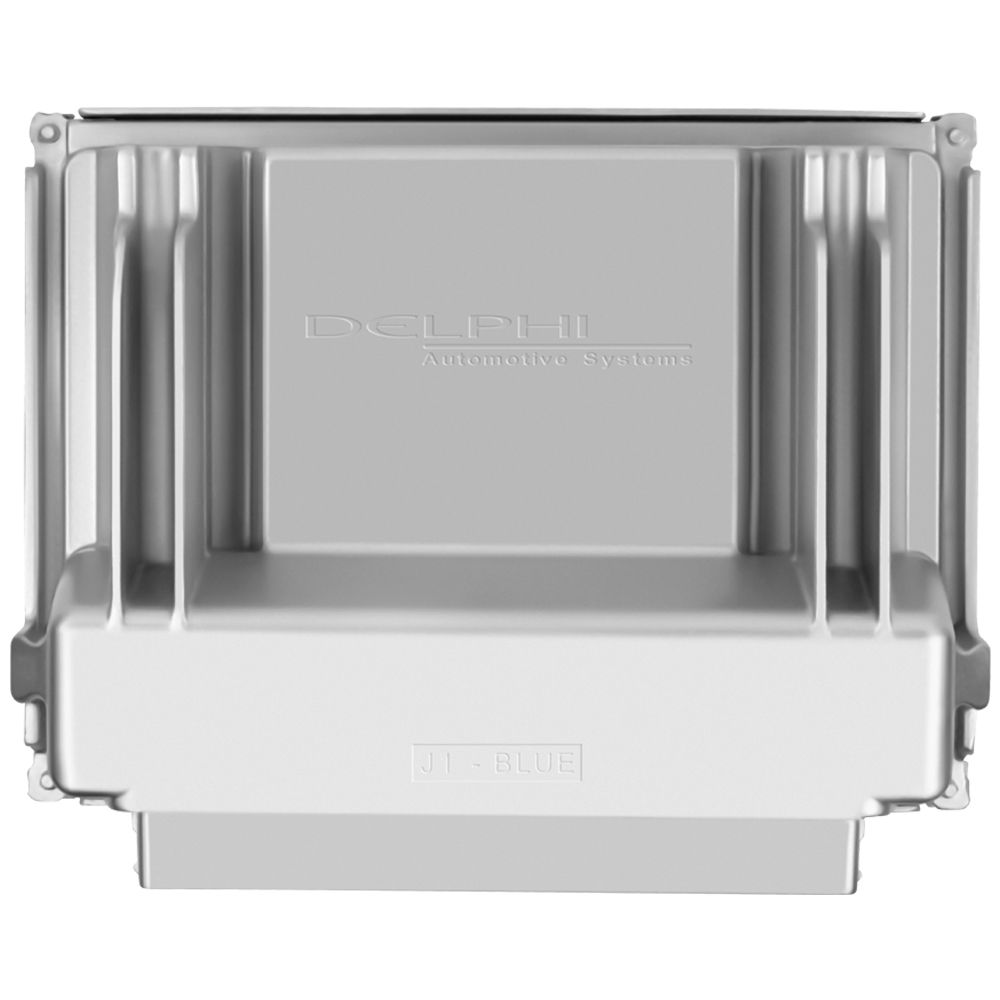
Flagship One stocks a refurbished, VIN-programmed PCM for the 2002 GMC Yukon XL with a lifetime warranty, free shipping and no core charge. The full GMC Yukon XL module lineup covers other engine configurations as well.
The 2002 GMC Yukon XL with the 5.3L engine depends heavily on its Powertrain Control Module for proper operation. When internal module faults occur, the symptoms and diagnostic codes point clearly to replacement rather than repair. Understanding the location, required labor, and post-installation programming needs prepares you for an informed repair experience. Whether you pursue dealer service or a quality aftermarket replacement, addressing the problem promptly prevents potential drivability complications with your Yukon XL.