
Last updated on August 25th, 2026 at 01:30 pm
The Powertrain Control Module (PCM) in your 2017 Ford Transit van acts as the vehicle’s central computer, managing engine performance, transmission shifting, and emissions systems. A failure may disrupt fuel delivery, ignition timing, or communication with other control units, often leading to drivability issues or a no-start condition.
If your 2017 Ford Transit van is experiencing unexplained stalling, rough idling, or a no-start condition, the Powertrain Control Module (PCM) may be the culprit. This critical component oversees nearly every aspect of engine and transmission operation, from fuel injection to shift timing. When it fails, symptoms can range from subtle performance issues to complete immobilization. Understanding the role of the PCM, how to identify failure signs, and what replacement entails can save you time and frustration. Whether you’re a fleet operator or an individual owner, knowing the labor requirements, programming steps, and common trouble codes will help you make informed decisions about repairs. This guide covers everything you need to diagnose, replace, and prevent PCM-related issues in your Transit van.
The Powertrain Control Module (PCM) in your 2017 Ford Transit van is the brain behind the engine and transmission. It continuously monitors sensors for data like air intake, throttle position, and engine temperature, then adjusts fuel delivery, ignition timing, and shift points in real time. This ensures optimal performance, fuel efficiency, and emissions compliance. Without a functioning PCM, your van may struggle to start, run erratically, or even enter a fail-safe mode that limits power. The module also communicates with other systems, such as the anti-lock brakes and stability control, making it a central hub for vehicle operation. If you need a replacement, replacement engine computers for the Transit van are designed to restore full functionality, but proper installation and programming are critical to avoid recurring issues.
2017 Ford Transit Van
OEM programmed ECM for your 2017 Ford Transit Van — plug & play, no dealer visit.
Free shipping · Lifetime warranty
In the 2017 Ford Transit van, the PCM is located in the engine compartment, typically mounted on the passenger-side firewall or near the battery. Accessing it requires removing a protective cover and disconnecting the wiring harness. The replacement process involves unbolting the old module, installing the new one, and securing it with the original fasteners. According to factory labor estimates, removing and reinstalling the PCM on the 3.7L engine takes 0.7 hours. No specialized tools are required beyond basic hand tools, but care must be taken to avoid damaging the connectors or bending the pins during installation. Once the new module is in place, the wiring harness is reconnected, and the battery is restored to power the system.
Work with the ignition off, and treat the module as static-sensitive: avoid touching the connector pins at any point.
| Operation | Configuration | Book Time |
|---|---|---|
| Powertrain Control Module R&R | 3.2L | 1.1 hr |
| Powertrain Control Module R&R | 3.5L | 0.7 hr |
| Powertrain Control Module R&R | 3.7L | 0.7 hr |
| Powertrain Control Module Relearn | Transit-150 | 0.2 hr |
| Powertrain Control Module Relearn | Transit-250 | 0.2 hr |
| Powertrain Control Module Relearn | Transit-350 | 0.2 hr |
| Powertrain Control Module Relearn | Transit-350 HD | 0.2 hr |
| Engine Control Module Relearn | Transit-150 | 0.5 hr |
After replacing the PCM in your 2017 Ford Transit van, a relearn procedure is required to synchronize the module with the vehicle’s systems. This step, which takes 0.2 hours of labor, ensures the PCM recognizes the engine, transmission, and other components. Without this process, the van may exhibit drivability issues, such as rough shifting or poor fuel economy. However, if you install a VIN-programmed replacement unit, these steps are already completed, saving you time and potential headaches. The pre-programmed module arrives ready to communicate with your van’s existing systems, reducing the risk of post-installation errors. Always confirm the replacement unit matches your van’s exact configuration to avoid compatibility issues.
A failing PCM in your 2017 Ford Transit van can manifest in several ways, often mimicking other mechanical or electrical problems. Common symptoms include intermittent stalling, especially at idle or during deceleration, and a no-start condition where the engine cranks but refuses to fire. You may also notice erratic shifting in the transmission, such as harsh or delayed gear changes, or the van entering a limp-home mode that limits speed and power. Warning lights on the dashboard, like the check engine or transmission light, are frequent indicators, often accompanied by trouble codes. One documented internal fault for this vehicle is an internal processor error, which may trigger a check engine light and cause the PCM to lose communication with the scan tool. Other signs include poor fuel economy, rough idling, or the engine misfiring under load. If your van exhibits these symptoms, a diagnostic scan can help pinpoint whether the PCM is the root cause or if another issue, like a faulty sensor or wiring problem, is to blame.
The 2017 Ford Transit van’s PCM may log specific trouble codes when internal faults occur. These codes help diagnose issues like processor errors or communication failures, which can disrupt engine performance or prevent the vehicle from starting. Below is the documented module-internal trouble code for this vehicle.
| Code | Meaning | Full Guide |
|---|---|---|
| P0606 | Module processor failure | Full P0606 guide → |
A failing PCM often causes multiple symptoms at once, such as stalling, rough idling, and transmission shifting problems. Sensor issues, on the other hand, typically trigger specific codes and symptoms, like a misfire or poor fuel economy. A diagnostic scan can help differentiate between the two by checking for module-internal codes like P0606.
While the PCM replacement process is straightforward, it requires careful handling of electrical connectors and adherence to torque specifications. If you’re comfortable working with vehicle electronics, you can perform the replacement yourself. However, the relearn procedure may require a scan tool, so professional assistance might be necessary for that step.
Skipping the relearn procedure may result in drivability issues, such as rough shifting, poor fuel economy, or the van entering a fail-safe mode. The PCM needs to synchronize with the engine and transmission to function correctly, and the relearn process ensures this communication is established.
Driving with a P0606 code may lead to further PCM damage or unpredictable behavior, such as stalling or a no-start condition. While the van may still run, the code indicates an internal processor error, which could worsen over time. Addressing it promptly can prevent more costly repairs.
Yes, the PCM must be programmed to your van’s VIN to ensure compatibility with its specific engine, transmission, and emissions systems. A VIN-programmed replacement unit eliminates the need for additional programming steps, making installation quicker and more reliable.
If your 2017 Ford Transit van is showing signs of PCM failure, you have options for repair or replacement. While a refurbished or remanufactured unit can restore functionality, a VIN-programmed replacement ensures seamless integration with your van’s systems. Given the labor involved in installation and programming, choosing a pre-programmed module can save time and reduce the risk of post-installation issues. Whether you’re managing a fleet or maintaining a single vehicle, addressing PCM problems promptly will keep your Transit van running reliably.
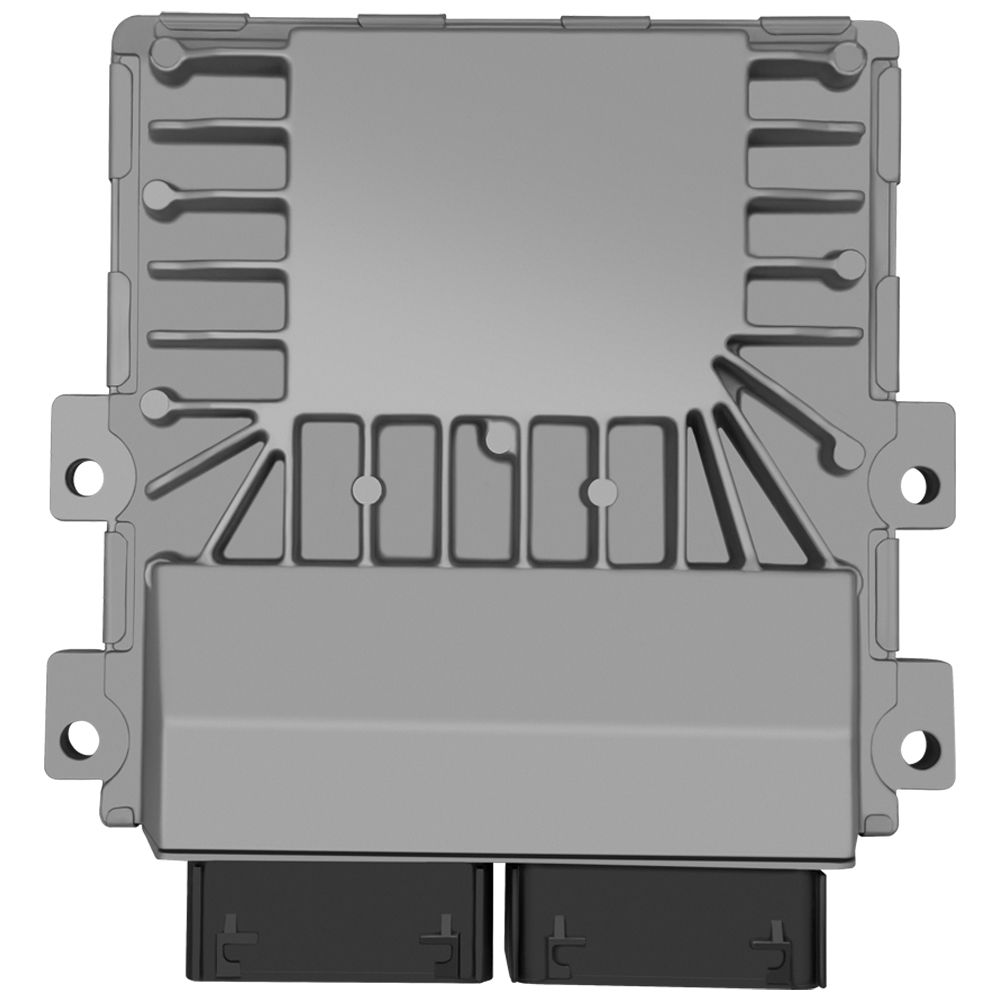
Flagship One stocks a refurbished, VIN-programmed PCM for the 2017 Ford Transit Van with a lifetime warranty, free shipping and no core charge. The full Ford Transit Van module lineup covers other engine configurations as well.
The Powertrain Control Module is a critical component in your 2017 Ford Transit van, overseeing engine and transmission performance. Recognizing failure symptoms early, understanding the replacement process, and ensuring proper programming can help you avoid costly downtime. Whether you opt for a DIY approach or professional assistance, addressing PCM issues promptly will keep your van on the road and operating smoothly.