
Last updated on August 25th, 2026 at 01:31 pm
The powertrain control module in the 2017 Ford GT manages the twin-turbocharged 3.5L V6 engine and transmission functions. When this module fails, the engine may not start, run roughly, or lose communication with diagnostic tools.
Owners of the 2017 Ford GT equipped with the 3.5L twin-turbocharged V6 may encounter drivability issues that trace back to the powertrain control module. This computer serves as the central brain for engine management, transmission control, and emissions systems, coordinating hundreds of parameters every second. When the module begins to fail, symptoms can range from intermittent stalling and rough idle to a complete no-start condition that leaves the vehicle stranded. Diagnostic communication may also become unreliable, making it difficult to retrieve trouble codes or monitor live data. Understanding the role of this module, recognizing early warning signs, and knowing what replacement involves can save significant diagnostic time and expense. This guide explains how the PCM functions in this specific application, what failure typically looks like, where the unit is located, and what the factory service procedure requires after installation. It also covers how a properly programmed replacement unit can simplify the repair process by arriving ready to install, reducing vehicle downtime and eliminating the need for specialized dealer equipment.
2017 Ford GT 3.5L
OEM programmed ECM for your 2017 Ford GT 3.5L — plug & play, no dealer visit.
Free shipping · Lifetime warranty
The powertrain control module in the 2017 Ford GT 3.5L integrates engine and transmission management into a single housing, a design that reduces wiring complexity and improves communication speed between subsystems. This module directly controls fuel injector pulse width, ignition timing, turbocharger wastegate actuators, variable valve timing solenoids, and transmission shift solenoids based on inputs from dozens of sensors including crankshaft position, camshaft position, manifold absolute pressure, mass airflow, throttle position, and transmission speed sensors. The 3.5L EcoBoost architecture places high demands on the PCM because boost pressure, direct injection timing, and twin independent variable cam timing must be coordinated with precision measured in milliseconds. Any internal processor fault, memory corruption, or driver circuit failure can disrupt this coordination, leading to power loss, misfires, or protective limp-mode operation. The module also manages the vehicle’s immobilizer handshake with the key fob and communicates over multiple CAN bus networks to the instrument cluster, body control module, and stability control system. Because of this integration, a failing PCM may produce symptoms that mimic sensor failures or mechanical issues, making accurate diagnosis essential. When replacement becomes necessary, sourcing replacement engine computers for the 2017 Ford GT that match the original hardware revision and calibration ensures compatibility with the vehicle’s specific build configuration.
After a new or remanufactured PCM is installed in the 2017 Ford GT, the factory service procedure requires a series of initialization steps performed with a factory-capable scan tool. These steps include VIN registration, parameter reset for the fuel system, transmission adaptive learning clearance, and immobilizer key programming to synchronize the module with the vehicle’s passive anti-theft system. The process also mandates a throttle body relearn and turbocharger actuator position calibration, both of which require the engine to be run through specific temperature and load conditions. Skipping any of these steps can result in rough idle, incorrect shift quality, or a no-start condition due to immobilizer mismatch. Because these procedures require dealer-level software subscriptions and proprietary security access, many independent shops and owners face significant barriers. Flagship One addresses this by supplying a VIN-programmed replacement unit that arrives with the correct calibration, VIN, and immobilizer data preloaded, allowing the module to function immediately upon installation without additional programming equipment or subscription fees.
Common symptoms of PCM failure in the 2017 Ford GT 3.5L often begin subtly and may be intermittent at first. The engine may crank normally but fail to start, or it may start and then stall within seconds as the module loses injector or ignition driver output. Rough idle, hesitation under acceleration, and sudden power loss at high boost can indicate processor glitches or memory corruption affecting fuel and timing tables. Transmission behavior may become erratic, with harsh shifts, delayed engagement, or failure to upshift, because the shift solenoid drivers reside inside the PCM. The malfunction indicator lamp will typically illuminate, and a scan tool may reveal codes related to internal control module performance, such as internal control module memory checksum error or communication faults with other modules on the CAN bus. In some cases, the scan tool itself may fail to establish communication with the PCM, showing a ‘no communication’ error that mimics a wiring issue. Voltage spikes from a failing alternator or improper jump-starting can accelerate driver circuit failure, while moisture intrusion through a damaged connector seal may cause corrosion on the circuit board. Because the PCM also manages the immobilizer, a failing unit may prevent key recognition, resulting in a theft light flashing rapidly and the engine refusing to crank. Addressing these symptoms promptly helps avoid damage to catalytic converters from raw fuel dumping during misfire events.
When the PCM in a 2017 Ford GT 3.5L fails, the repair decision often comes down to whether to send the original unit for bench repair or install a replacement. Bench repair can be cost-effective if the fault is isolated to a known component, but turnaround time and warranty coverage vary. A remanufactured unit with a full warranty and preloaded programming offers a faster return to service, especially when dealer programming access is limited. The choice depends on the specific failure mode, urgency, and whether the original hardware is physically damaged beyond economical repair.
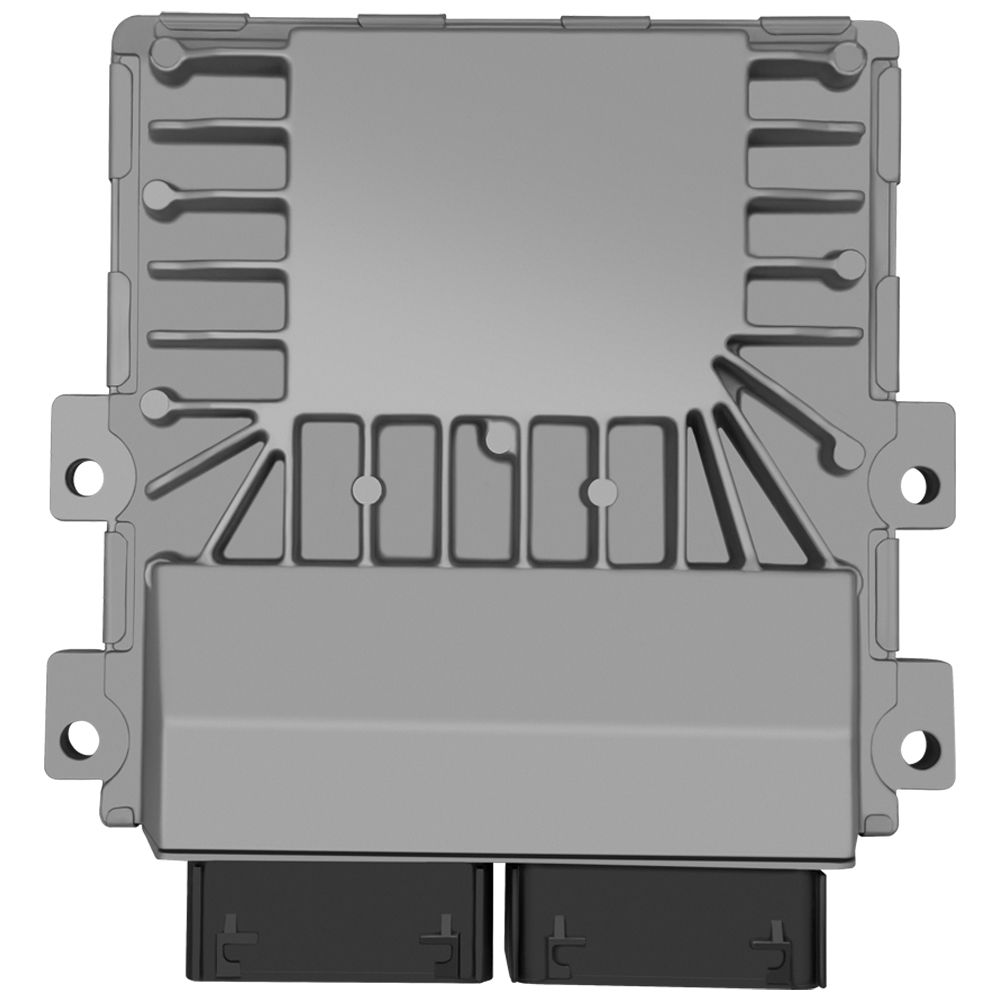
Flagship One stocks a refurbished, VIN-programmed ECM for the 2017 Ford GT with a lifetime warranty, free shipping and no core charge. The full Ford GT module lineup covers other engine configurations as well.
The 2017 Ford GT 3.5L relies on a highly integrated powertrain control module to manage its twin-turbocharged V6 and transmission with precision. Recognizing the symptoms of module failure — from no-start and stalling to communication loss and erratic shifting — allows for faster diagnosis and reduces the risk of collateral damage. Whether you choose bench repair or a programmed replacement, restoring proper module function is essential to returning the vehicle to its intended performance and reliability. If you are evaluating options, a VIN-programmed unit can simplify the process significantly.