
Last updated on August 25th, 2026 at 01:31 pm
The powertrain control module (PCM) in your 2015 Ford Explorer manages engine timing, fuel delivery, and transmission shifts. A failing PCM may disrupt fuel injection, spark timing, or torque converter lockup, leading to drivability issues or a no-start condition.
If your 2015 Ford Explorer has been stalling, refusing to start, or logging persistent powertrain codes, the issue may lie with the powertrain control module (PCM). This critical computer oversees everything from fuel injection to transmission shifts, and when it fails, your vehicle may exhibit a range of drivability problems. Replacing the PCM isn’t just about swapping a box—it involves precise labor, relearn procedures, and often, reprogramming the Passive Anti-Theft System (PATS). Understanding the steps involved, from diagnosis to installation, can help you avoid unnecessary dealer visits and ensure your Explorer runs smoothly again. This guide covers what the PCM does, where it’s located, common failure symptoms, and what to expect during replacement—including how a pre-programmed unit can simplify the process.
The powertrain control module (PCM) in your 2015 Ford Explorer 3.5L is the brain behind your engine and transmission. It continuously monitors sensor inputs—like throttle position, oxygen levels, and crankshaft speed—to adjust fuel delivery, ignition timing, and shift points in real time. Without a functioning PCM, your Explorer may struggle to start, idle roughly, or even enter a limp-home mode to prevent further damage. This module also integrates with the vehicle’s security system, meaning a replacement often requires reprogramming the PATS to recognize the new hardware. When shopping for a replacement, you’ll want to focus on replacement powertrain control modules for the Ford Explorer, as these are designed to match the vehicle’s specific calibration and electrical requirements. A faulty PCM can lead to poor fuel economy, erratic shifting, or even a complete no-start condition, making it one of the most critical components under the hood.
2015 Ford Explorer 3.5L
OEM programmed ECM for your 2015 Ford Explorer 3.5L — plug & play, no dealer visit.
Free shipping · Lifetime warranty
The PCM in your 2015 Ford Explorer is mounted in the engine bay, typically near the firewall or strut tower. Accessing it requires removing a few plastic covers and possibly the air intake duct, but the job doesn’t involve major disassembly. According to factory labor guides, replacing the PCM takes about 1.0 hours, assuming no complications like corroded connectors or seized bolts. Once the old unit is removed, the new PCM is bolted into place, and the wiring harness is reconnected. It’s important to ensure the connector is fully seated and the locking tab is engaged to prevent intermittent electrical issues. After installation, a relearn procedure is required, which adds another 0.5 hours of labor. This step synchronizes the PCM with the vehicle’s sensors and security system, ensuring everything communicates properly.
Work with the ignition off, and treat the module as static-sensitive: avoid touching the connector pins at any point.
| Operation | Configuration | Book Time |
|---|---|---|
| Powertrain Control Module R&R | All configurations | 1.0 hr |
| Powertrain Control Module Relearn | All configurations | 0.5 hr |
| Engine Control Module Relearn | All configurations | 0.5 hr |
| Engine Control Module R&R | All configurations | 1.0 hr |
| Engine Control Module Reset | All configurations | 0.3 hr |
After installing a new PCM in your 2015 Ford Explorer, the factory procedure requires reprogramming the Passive Anti-Theft System (PATS) to ensure the vehicle recognizes the new module. This step typically involves using a dealer-level scan tool to marry the PCM to the vehicle’s immobilizer, a process that can take additional time and may require a trip to the dealership. However, when you opt for a VIN-programmed replacement unit, this step is already completed before the module arrives. The unit is pre-loaded with your Explorer’s specific calibration, including PATS data, so you can skip the reprogramming step entirely. This not only saves you the 0.5 hours of labor associated with the relearn procedure but also eliminates the risk of PATS-related no-start issues after installation. Just bolt it in, and your vehicle should be ready to go.
A failing PCM in your 2015 Ford Explorer may cause a variety of symptoms, often mimicking other issues like fuel pump failure or transmission problems. One of the most common signs is a no-start condition, where the engine cranks but refuses to fire. You might also experience stalling at idle or while driving, particularly when the engine is warm. Rough idle, hesitation under acceleration, or erratic shifting from the transmission are other red flags. In some cases, the vehicle may enter a limp-home mode, limiting engine power to prevent further damage. On a scan tool, you may see communication errors or a PCM processor fault code, which indicates an internal failure within the module itself. Other codes, like those related to fuel trim or transmission solenoids, may also appear if the PCM is sending incorrect signals to these systems. If your Explorer exhibits any of these symptoms, it’s worth checking the PCM as a potential culprit, especially if the issues persist after basic troubleshooting like checking fuses or sensor connections.
The 2015 Ford Explorer 3.5L may log specific trouble codes when the PCM begins to fail. These codes often point to internal processor issues or communication faults between the module and other vehicle systems. While multiple codes may appear, one of the most telling is P0606, which directly indicates a problem within the PCM itself.
| Code | Meaning | Full Guide |
|---|---|---|
| P0606 | Module processor failure | Full P0606 guide → |
If your 2015 Ford Explorer is exhibiting signs of PCM failure, you have two main options: repair or replace. While some issues may be resolved with a simple reset or reprogramming, internal failures like P0606 often require a new module. Opting for a pre-programmed replacement unit can save you time and hassle, as it eliminates the need for a dealer visit to complete the PATS relearn. Whether you choose to tackle the job yourself or leave it to a professional, understanding the process ensures you make an informed decision and get your Explorer back on the road quickly.
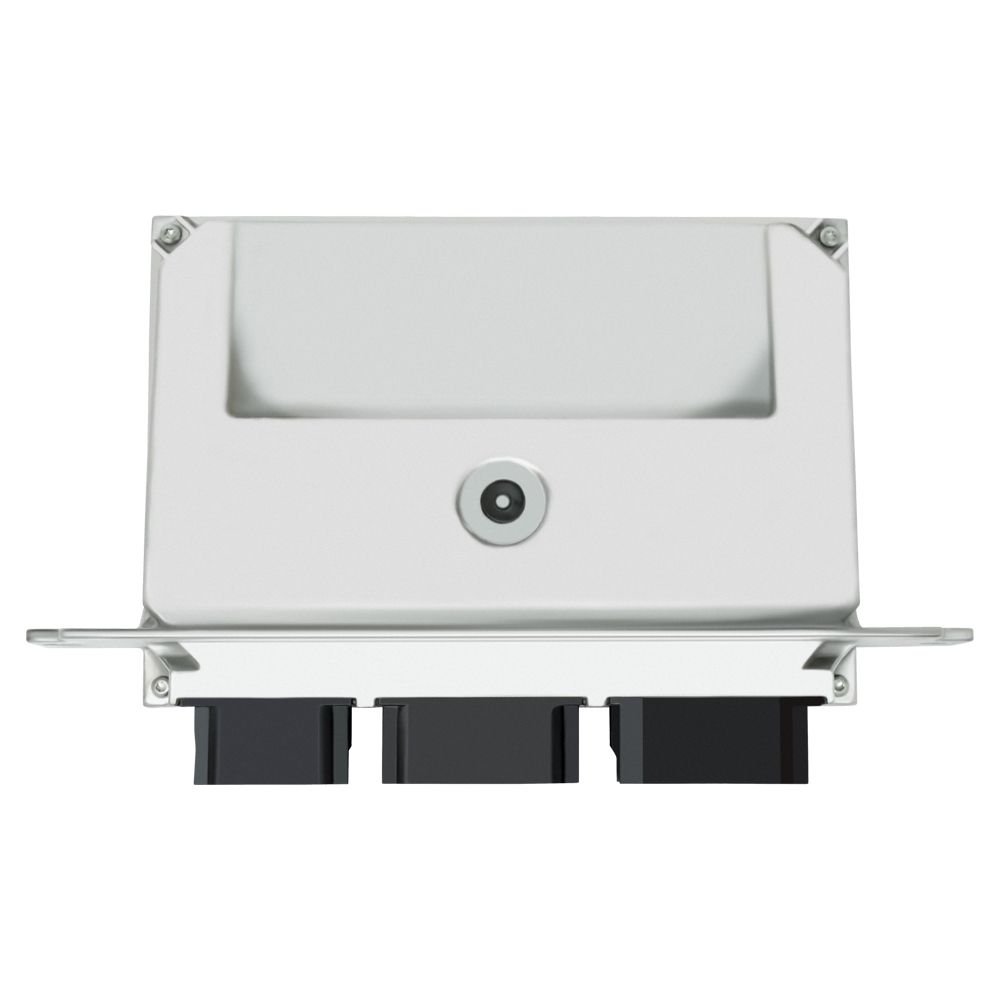
Flagship One stocks a refurbished, VIN-programmed PCM for the 2015 Ford Explorer with a lifetime warranty, free shipping and no core charge. The full Ford Explorer module lineup covers other engine configurations as well.
The PCM is a vital component in your 2015 Ford Explorer, controlling everything from fuel delivery to transmission shifts. If you’re experiencing stalling, no-start conditions, or persistent trouble codes, the PCM may be the root cause. Replacing it involves careful installation and a relearn procedure, but with the right preparation, you can restore your vehicle’s performance. Whether you opt for a DIY approach or professional help, addressing PCM issues promptly will keep your Explorer running reliably for miles to come.