
Last updated on August 25th, 2026 at 01:32 pm
The powertrain control module (PCM) in the 2013 Ford Explorer 3.5L manages engine and transmission operation. When it fails, it can cause drivability issues, no-start conditions, and internal fault codes such as P0606. The module is also referred to as the engine control module (ECM) in some contexts.
If you own a 2013 Ford Explorer with the 3.5L engine and are experiencing drivability problems, a failing powertrain control module (PCM) could be the cause. This guide explains what the PCM does in your Explorer, the symptoms of failure, and the labor involved in replacement. You will also learn about a relevant service bulletin and the post-installation steps required by the factory. Understanding these details helps you decide whether to repair or replace the module and what to expect from a pre-programmed unit.
The powertrain control module (PCM) in the 2013 Ford Explorer 3.5L is the central computer that controls engine timing, fuel delivery, transmission shifting, and emissions systems. It receives data from sensors throughout the vehicle and adjusts outputs to maintain performance and efficiency. When the PCM fails, it can disrupt communication with other modules, leading to erratic behavior or a no-start condition. For this vehicle, replacement PCM modules for the Explorer are available that come pre-configured to match the original VIN, eliminating the need for dealer-level programming. The PCM also manages the passive anti-theft system (PATS), so a replacement unit must be synchronized with the vehicle’s keys.
2013 Ford Explorer
OEM programmed ECM for your 2013 Ford Explorer — plug & play, no dealer visit.
Free shipping · Lifetime warranty
The labor time to remove and replace the powertrain control module on the 2013 Ford Explorer 3.5L is 1.0 hours. The engine control module (ECM) R&R is also listed at 1.0 hours. After the new PCM is installed, the factory procedure requires restoring the module configuration and reprogramming the PATS system. A PCM relearn is listed at 0.5 hours, and an ECM relearn is also 0.5 hours. An ECM reset is listed at 0.3 hours. These steps ensure the module communicates properly with the vehicle’s other systems and that the anti-theft feature recognizes the keys.
Work with the ignition off, and treat the module as static-sensitive: avoid touching the connector pins at any point.
| Operation | Configuration | Book Time |
|---|---|---|
| Powertrain Control Module R&R | All configurations | 1.0 hr |
| Powertrain Control Module Relearn | All configurations | 0.5 hr |
| Engine Control Module Relearn | All configurations | 0.5 hr |
| Engine Control Module R&R | All configurations | 1.0 hr |
| Engine Control Module Reset | All configurations | 0.3 hr |
Factory procedure for the 2013 Ford Explorer 3.5L requires that after a new PCM is installed, the module configuration must be restored and the PATS system must be reprogrammed. This typically involves a scan tool and access to manufacturer software. Flagship One provides a VIN-programmed replacement unit that arrives with the correct vehicle identification number already loaded, so the configuration restoration and PATS reprogramming are already completed. This means the module is ready to install and start the vehicle without additional dealer visits or programming charges.
Common symptoms of a failing PCM in the 2013 Ford Explorer 3.5L include intermittent no-start conditions, stalling while driving, rough idle, and poor fuel economy. The check engine light may illuminate with internal fault codes such as internal PCM processor fault. You may also notice erratic transmission shifting or a loss of communication with scan tools. The TSB 13-04-12 describes headlamps flashing on and off for vehicles built on or before January 23, 2013, without autolamps, which can be related to PCM issues. Addressing these symptoms promptly can prevent further drivability problems.
The following module-internal trouble code has been documented for the 2013 Ford Explorer 3.5L powertrain control module:
| Code | Meaning | Full Guide |
|---|---|---|
| P0606 | Module processor failure | Full P0606 guide → |
Technical Service Bulletin 13-04-12 applies to the 2013 Ford Explorer 3.5L built on or before January 23, 2013, and not equipped with autolamps. The bulletin addresses headlamps that flash on and off intermittently. While the TSB does not directly call for PCM replacement, it indicates a potential electrical or module-related issue that may be diagnosed alongside PCM fault codes. If your Explorer exhibits this symptom, checking for related trouble codes and consulting the bulletin can guide the repair.
| Bulletin | Subject | What It Addresses |
|---|---|---|
| 13-04-12 | BUILT ON OR BEFORE 1/23/2013 – HEADLAMPS FLASHING ON/OFF – VEHICLES NOT EQUIPPED WITH AUTOLAMPS | — |
The PCM controls engine and transmission functions, including fuel injection, ignition timing, and shift points. It also manages the passive anti-theft system (PATS) and communicates with other modules via the vehicle network.
The book labor time for PCM removal and replacement is 1.0 hours. An additional 0.5 hours is listed for the PCM relearn procedure. The ECM R&R is also 1.0 hours with a 0.5-hour relearn.
Yes, the factory procedure requires PATS reprogramming after PCM installation. However, a pre-programmed PCM from Flagship One arrives with the VIN already set, so the PATS synchronization is already complete and no further programming is needed.
When your 2013 Ford Explorer 3.5L needs a new PCM, you have two main options: have a dealer install a blank module and perform the required configuration and PATS reprogramming, or choose a refurbished replacement that arrives pre-programmed. The latter saves time and labor costs because the module is ready to install and start the vehicle. Flagship One offers such units specifically for the Explorer, ensuring compatibility with your VIN.
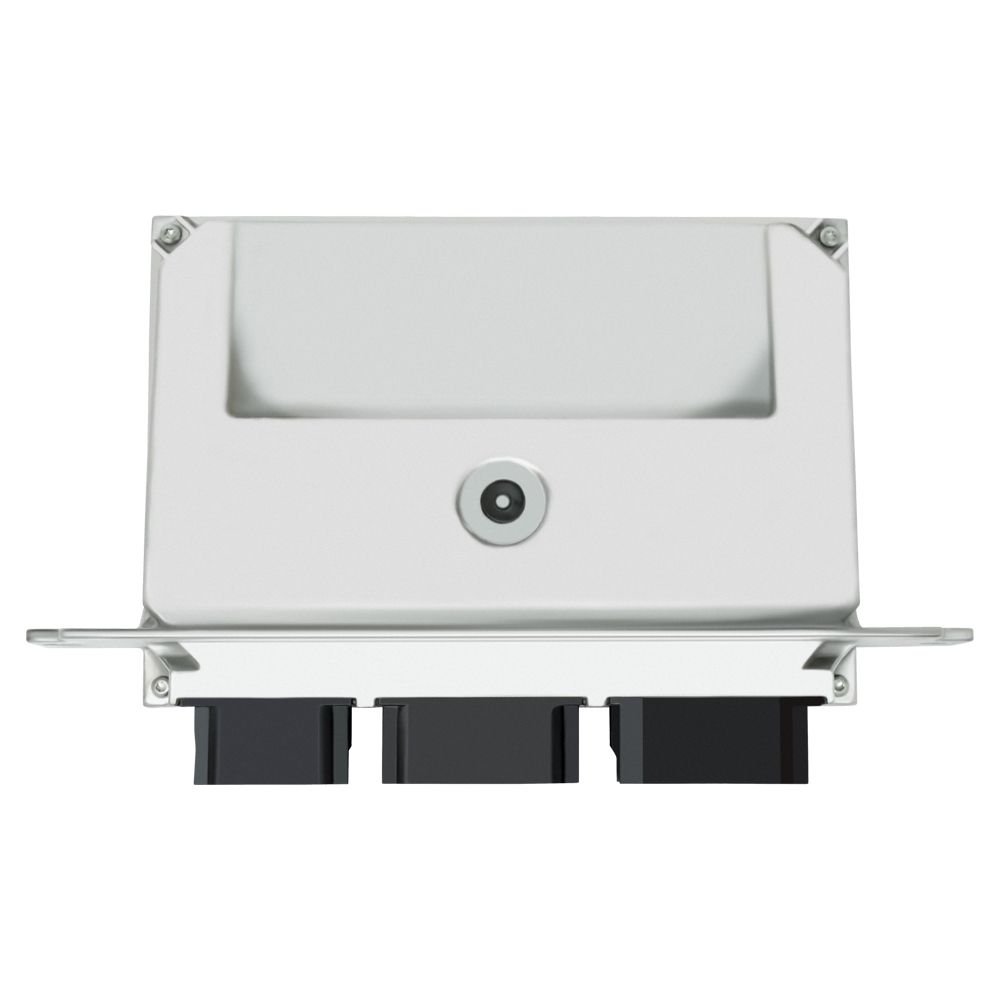
Flagship One stocks a refurbished, VIN-programmed PCM for the 2013 Ford Explorer with a lifetime warranty, free shipping and no core charge. The full Ford Explorer module lineup covers other engine configurations as well.
The 2013 Ford Explorer 3.5L relies on its PCM for smooth engine and transmission operation. When failure occurs, symptoms like no-start, stalling, or code P0606 may appear. Replacement involves 1.0 hours of labor plus additional relearn and PATS steps. Choosing a pre-programmed PCM from Flagship One eliminates those post-install procedures, getting your Explorer back on the road faster.