2013 Ford Escape Engine Computer (PCM/ECM) Replacement Guide
The Powertrain Control Module (PCM) on your 2013 Ford Escape is the central computer managing the 1.6L EcoBoost engine’s fuel delivery, ignition timing, emissions controls, and transmission shifting. When this module fails internally, your vehicle may not start or run poorly despite otherwise healthy mechanical systems.
Quick Summary
- The PCM on a 2013 Escape with 1.6L engine is also called the Engine Control Module (ECM) in Ford service literature
- Book time for replacement on the 1.6L is 0.9 hours for R&R plus 0.5 hours for relearn procedure
- P0606 is an internal processor fault code indicating the PCM has detected its own processing failure
- PATS (Passive Anti-Theft System) reprogramming is required after replacement using Ford diagnostic equipment
- Flagship One ships replacement units pre-programmed with your VIN, eliminating dealer-only programming steps
If your 2013 Ford Escape with the 1.6L EcoBoost engine won’t start, runs roughly, or has illumination of the check engine light, the Powertrain Control Module may be the culprit. The PCM serves as the brain of your vehicle’s engine management system, and like any electronic component, it can fail over time due to heat cycles, voltage spikes, or internal circuitry issues. This guide walks you through understanding what the module does, recognizing failure symptoms, and evaluating your replacement options whether you pursue a new unit from the dealer, a refurbished PCM, or a VIN-programmed replacement from an aftermarket supplier. You will learn where the module is located, what the labor involves, and why programming the PATS anti-theft system is a necessary step after installation. By the end, you will have the factual foundation to make an informed repair decision and understand what to expect from the service process.
What the PCM Does in a 2013 Ford Escape
The Powertrain Control Module in your 2013 Ford Escape is the primary computer responsible for managing the operation of the 1.6-liter EcoBoost four-cylinder engine. This engine utilizes direct injection and a turbocharger to deliver efficient power, and the PCM must coordinate fuel injection timing, boost pressure, camshaft timing, and ignition spark with extreme precision. The module receives input from dozens of sensors throughout the engine bay, including the mass airflow sensor, coolant temperature sensor, throttle position sensor, and oxygen sensors, then calculates the optimal air-fuel mixture and timing for current driving conditions. Beyond the engine itself, the PCM also communicates with the transmission control module to manage shift points and shift firmness. In Ford terminology, this same component is frequently called the Engine Control Module or ECM, and it integrates the engine and transmission logic into a single unit for the 1.6L application. The module stores calibration data specific to your vehicle’s VIN, meaning a replacement unit must be matched to your Escape to ensure proper operation. When the internal processor within the PCM encounters a fault that it cannot correct, it stores an internal trouble code such as P0606, which indicates the module has detected its own failure rather than a fault with external sensors or wiring. This type of failure is distinct from sensor-related codes because it points to a problem within the computer module itself rather than a problem with the components the computer monitors. replacement engine computers for the Escape are available from multiple sources, each with different programming and warranty considerations.
Where the PCM Is Located and What Replacement Involves
The Powertrain Control Module on your 2013 Ford Escape is located in the engine compartment, mounted to the upper radiator support or near the firewall on the passenger side. Access requires opening the hood and disconnecting the battery negative terminal before working around the module to prevent electrical shorts or damage to sensitive components. The replacement procedure involves removing the mounting bolts securing the old module, disconnecting the electrical harness connectors, installing the new unit, and reconnecting all wiring. According to labor guide figures, the remove-and-replace operation for the 1.6L engine consumes 0.9 hours of book time. After the new module is installed, a relearn procedure must be performed to allow the PCM to recalibrate to your specific engine’s characteristics; this additional step adds 0.5 hours to the labor total. The module itself uses multiple electrical connectors, and technicians should verify that all connector seals are intact and free of corrosion during installation. Torque specifications for mounting hardware, if required, would be found in the factory service manual for this specific application. The entire job from start to finish, including the post-installation relearn, represents a straightforward procedure for a qualified technician familiar with Ford electronic control systems.
| Operation | Configuration | Book Time |
|---|---|---|
| Engine Control Module Relearn | All configurations | 0.5 hr |
| Engine Control Module R&R | 1.6L | 0.9 hr |
| Engine Control Module R&R | 2.0L | 0.8 hr |
| Engine Control Module R&R | 2.5L | 0.8 hr |
| Powertrain Control Module R&R | 1.6L | 0.9 hr |
| Powertrain Control Module R&R | 2.0L | 0.8 hr |
| Powertrain Control Module R&R | 2.5L | 0.8 hr |
Programming Requirements After Replacement
After installing a replacement PCM in your 2013 Ford Escape, the PATS (Passive Anti-Theft System) must be reprogrammed using Ford diagnostic equipment. PATS is Ford’s built-in anti-theft technology that prevents the engine from starting unless it recognizes the correct key fob or transponder chip. When a new PCM is installed, the vehicle’s security system does not recognize the replacement computer, and the engine will crank but not start until the PATS is relearned to the new module. This reprogramming requires a Ford-approved scan tool or diagnostic equipment capable of communicating with the PATS module. The procedure involves instructing the diagnostic tool to program the new PCM’s security data and synchronize it with the vehicle’s key transponders. This step is unavoidable with any replacement PCM, whether sourced from the dealer, a refurbisher, or an aftermarket supplier. However, when you purchase a replacement unit from Flagship One, the module arrives pre-programmed with your specific VIN already loaded into its memory, which means the PATS reprogramming is effectively handled before the part even reaches your installer. This pre-programming eliminates one of the steps a shop would otherwise need to perform, potentially reducing the overall programming labor required. a VIN-programmed replacement unit from Flagship One arrives ready to install, with the security data already matched to your vehicle’s identification number.
Symptoms of a Failing PCM
When the PCM on a 2013 Ford Escape with the 1.6L EcoBoost engine begins to fail, the symptoms can range from subtle drivability complaints to a complete no-start condition. One of the most common indicators of PCM failure is a no-start situation where the engine cranks normally but will not fire, often accompanied by a check engine light that may be illuminated or may not appear at all depending on the nature of the internal fault. Stalling after the engine starts is another frequent symptom, particularly if the PCM loses the ability to maintain proper idle speed or fuel delivery calibration during warm-up. Misfire codes such as P0300 (random/multiple cylinder misfire) or codes specific to individual cylinders may appear when the PCM’s processing of ignition timing or fuel injection becomes erratic. In some cases, the scan tool may not communicate with the vehicle at all, as the PCM serves as the central gateway for diagnostic communication; this dead communication can be a strong indicator that the module has failed internally. Transmission shifting problems may also manifest, including harsh shifts, delayed shifts, or the vehicle getting stuck in a single gear, because the PCM shares calibration data with the transmission control module. The P0606 code specifically indicates an internal processor fault within the PCM itself, where the module has detected that its own computational core is not functioning correctly. This is distinct from sensor-related codes because it tells you the problem is the computer, not the components the computer monitors. processor control module fault is a serious condition that typically requires replacement of the module to restore proper vehicle operation.
Module Trouble Codes on the 2013 Ford Escape
The 2013 Ford Escape 1.6L may store internal trouble codes that point directly to PCM failure. These codes are distinct from typical diagnostic trouble codes because they indicate the module has detected an internal fault rather than a fault in external sensors or wiring. The primary internal code documented for this vehicle is P0606, which signifies a processor fault within the PCM. When this code is present along with drivability symptoms, diagnosis often confirms a failed module requiring replacement.
| Code | Meaning | Full Guide |
|---|---|---|
| P0606 | Module processor failure | Full P0606 guide → |
Factory Service Bulletins Worth Knowing
Factory service bulletin #12-08-23 addresses a known issue with the 1.6L GTDI and 2.0L GTDI engines in the 2013 Ford Escape built on or before July 18, 2012. This bulletin relates to illumination of the check engine light and the storage of DTC P144C, which concerns the evaporative emissions system. While this particular TSB does not directly address PCM failure, it demonstrates that the 1.6L EcoBoost engine in early-production 2013 Escapes had software-related calibration issues that could cause the check engine light to illuminate. Owners experiencing a check engine light with P144C should verify whether their vehicle falls within the build date range covered by this bulletin, as a software update may resolve the issue without requiring PCM replacement. This bulletin underscores the importance of proper diagnostic procedures to determine whether a given symptom stems from a software calibration issue or actual hardware failure.
| Bulletin | Subject | What It Addresses |
|---|---|---|
| 12-08-23 | 1.6L GTDI/2.0L GTDI-MIL LIGHT – BUILT ON OR BEFORE 7/18/2012 – DTC P144C | — |
Protecting the PCM in Your 2013 Ford Escape
- Maintain the charging system by keeping battery terminals clean and secure; a weak or failing battery can cause voltage fluctuations that stress the PCM
- Avoid jump-starting other vehicles or using boost packs connected to your Escape’s electrical system without proper voltage regulation, as voltage spikes can damage the module’s internal circuitry
- Inspect ground straps and electrical connectors periodically; corroded or loose grounds can cause erratic voltage supply to the PCM
- Address check engine light codes promptly rather than driving with the light illuminated; unresolved sensor failures can cascade into PCM problems over time
- Keep engine bay connectors sealed and protected from moisture intrusion; water entry through connector seals is a common cause of PCM connector corrosion
- Use quality fuel and keep the evaporative emissions system functional; fuel system irregularities can cause the PCM to run in abnormal calibrations that increase heat and stress on the module
Frequently Asked Questions
Will any 2013 Ford Escape PCM work for my vehicle, or does it need to be specifically matched?
The replacement PCM must be matched to your specific vehicle’s VIN. Ford modules store vehicle-specific calibration data, and installing an unmatched unit will result in the engine not starting or running improperly. A VIN-programmed replacement unit arrives from the supplier already matched to your vehicle identification number.
Can I replace the PCM on my 2013 Escape myself, or do I need a professional installer?
While the mechanical remove-and-replace procedure is straightforward for someone with basic automotive skills, the PATS reprogramming requirement typically requires Ford diagnostic equipment that most DIYers do not own. Additionally, proper disconnecting of the battery and handling of electrical connectors requires care to avoid causing damage. Most owners benefit from professional installation.
What is the difference between buying a new PCM from Ford versus a refurbished or aftermarket unit?
A new OEM unit from Ford comes with a full warranty but carries the highest price and may require dealer programming. Refurbished units are typically pulled from salvage vehicles, reprogrammed, and tested. Aftermarket VIN-programmed units like those from Flagship One arrive pre-programmed with your VIN, potentially saving programming labor time at installation.
How do I know if my 2013 Escape has a PCM problem versus a different component?
Diagnostic trouble codes are the primary indicator. Codes starting with P0600 series, such as P0606, indicate internal PCM processor faults. A no-start condition with no communication on the scan tool also points strongly to PCM failure. However, some symptoms like stalling or misfires could also stem from sensors, wiring, or the fuel system, so proper diagnosis is essential before replacing the module.
Does the PCM replacement affect my vehicle’s warranty or emissions certification?
If the replacement PCM is properly programmed with the correct Ford calibration and VIN, your vehicle retains its emissions certification. However, using a non-Ford or improperly programmed unit could potentially affect emissions compliance. Always ensure the replacement module uses Ford-approved calibration data.
When your 2013 Ford Escape requires a replacement PCM, you have two primary paths: purchasing a new or refurbished unit from a dealer or salvage source, or buying a VIN-programmed replacement from an aftermarket supplier like Flagship One. Dealer units carry OEM support but come with premium pricing and may require additional programming labor. A VIN-programmed replacement arrives ready to install, potentially reducing your shop’s labor time. Consider your budget, warranty preferences, and whether you have access to a shop capable of handling the PATS reprogramming procedure before making your decision.
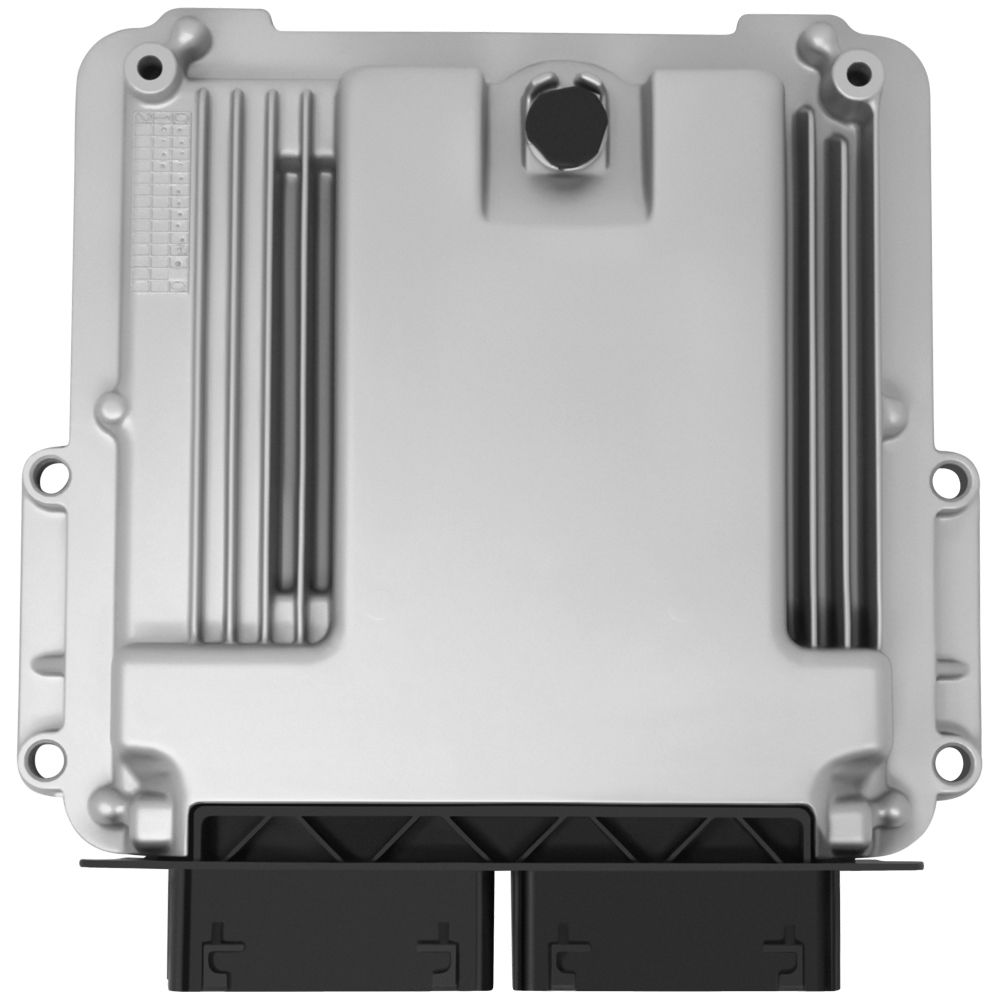
Flagship One stocks a refurbished, VIN-programmed PCM for the 2013 Ford Escape with a lifetime warranty, free shipping and no core charge. The full Ford Escape module lineup covers other engine configurations as well.
Final Thoughts
The Powertrain Control Module is the central computer governing your 2013 Ford Escape’s 1.6L EcoBoost engine, and failure of this component manifests as no-start conditions, stalling, or check engine illumination. Replacement involves mechanical installation plus PATS security reprogramming, with 0.9 hours of book time for R&R and 0.5 hours for the relearn procedure. A VIN-programmed replacement unit from Flagship One arrives ready to install, potentially streamlining your repair. If your Escape is experiencing starting or running issues, proper diagnostic testing can determine whether the PCM is the root cause before proceeding with replacement.