
Last updated on August 25th, 2026 at 01:33 pm
The Powertrain Control Module (PCM) in your 2011 Ford Escape manages engine and transmission functions. Failures may cause drivability issues, including stalling, misfires, or communication errors with diagnostic tools.
If your 2011 Ford Escape has been acting unpredictably—stalling at stops, refusing to start, or throwing cryptic engine codes—your Powertrain Control Module (PCM) may be the culprit. This small but critical computer oversees everything from fuel delivery to transmission shifting, and when it fails, your vehicle’s performance suffers. Replacing it isn’t just about swapping a part; it involves precise steps to ensure the new module communicates correctly with the rest of your Escape’s systems. Understanding the role of the PCM, the symptoms of failure, and the replacement process can help you make informed decisions, whether you’re diagnosing the issue yourself or working with a mechanic. With the right knowledge, you can avoid unnecessary delays and get your Escape running smoothly again.
The Powertrain Control Module (PCM) in your 2011 Ford Escape is the brain behind your engine and transmission. It processes data from sensors throughout the vehicle to optimize fuel injection, ignition timing, and shift points, ensuring efficient performance and emissions compliance. Without a functioning PCM, your Escape may struggle to start, idle roughly, or even enter a fail-safe mode that limits power. This module is particularly critical in vehicles with automatic transmissions, as it directly influences shift quality and timing. When the PCM fails, it often triggers a cascade of issues, from poor fuel economy to erratic engine behavior. Replacing it requires not just a physical swap but also ensuring the new unit is properly calibrated to your vehicle’s specifications. For the 2011 Ford Escape, replacement engine computers for the Escape are designed to integrate seamlessly with your vehicle’s existing systems, but proper installation and programming are key to restoring full functionality. A faulty PCM can also lead to long-term damage if left unaddressed, so timely replacement is essential.
2011 Ford Escape 3.0L
OEM programmed ECM for your 2011 Ford Escape 3.0L — plug & play, no dealer visit.
Free shipping · Lifetime warranty
In the 2011 Ford Escape, the Powertrain Control Module (PCM) is located in the engine compartment, typically mounted near the firewall or on the driver’s side fender well. Accessing it involves removing a few bolts or screws securing the protective cover, followed by disconnecting the wiring harness. The replacement process is straightforward but requires care to avoid damaging the connectors or the module itself. According to factory labor estimates, removing and reinstalling the PCM takes approximately 0.5 hours. This time includes disconnecting the battery, removing the old module, and securing the new one in place. Once installed, the module must be reconnected to the vehicle’s wiring harness, and the battery should be reattached to restore power. While the physical replacement is relatively quick, the process doesn’t end there—proper programming is essential to ensure the new PCM functions correctly.
| Operation | Configuration | Book Time |
|---|---|---|
| Powertrain Control Module R&R | All configurations | 0.5 hr |
| Powertrain Control Module Relearn | All configurations | 0.5 hr |
| Engine Control Module Relearn | All configurations | 0.5 hr |
| Engine Control Module R&R | All configurations | 0.5 hr |
After replacing the Powertrain Control Module (PCM) in your 2011 Ford Escape, the factory procedure requires a relearn process to synchronize the new module with your vehicle’s systems. This step, which typically takes 0.5 hours, ensures that the PCM recognizes the engine, transmission, and other critical components. Without this relearn, your Escape may experience drivability issues, such as rough idling, poor acceleration, or even a no-start condition. However, if you opt for a VIN-programmed replacement unit, these steps are already completed before the module arrives. This means you can install the new PCM and drive your Escape without additional programming, saving time and reducing the risk of errors during the relearn process. The pre-programmed unit is calibrated to your vehicle’s specific VIN, ensuring compatibility and immediate functionality. This approach eliminates the need for specialized diagnostic tools or dealer visits, making the replacement process more convenient and efficient.
When the Powertrain Control Module (PCM) in your 2011 Ford Escape begins to fail, you may notice a range of symptoms that can disrupt your driving experience. One of the most common signs is a no-start condition, where the engine cranks but refuses to fire up. Stalling at idle or during acceleration is another frequent issue, often accompanied by a rough or uneven idle. You might also experience poor fuel economy, as the PCM struggles to optimize fuel delivery and ignition timing. In some cases, the transmission may shift erratically or hesitate between gears, indicating that the PCM is no longer communicating effectively with the transmission control module. Diagnostic trouble codes, such as an internal processor fault, may appear on your scan tool, signaling that the PCM is malfunctioning. Other potential symptoms include a check engine light that stays illuminated, reduced engine power, or even a complete loss of communication with diagnostic tools. If you encounter any of these issues, it’s important to address them promptly, as a failing PCM can lead to further damage if left unchecked. Regular diagnostic scans can help identify problems early, allowing you to take action before the issue worsens.
The 2011 Ford Escape may store specific trouble codes when the Powertrain Control Module (PCM) fails. These codes provide valuable insight into the nature of the problem and can guide your diagnosis and repair efforts.
| Code | Meaning | Full Guide |
|---|---|---|
| P0606 | Module processor failure | Full P0606 guide → |
Common signs include a no-start condition, stalling, rough idling, or stored trouble codes like P0606. If your Escape exhibits these symptoms, a diagnostic scan can help confirm whether the PCM is the issue. In some cases, the vehicle may also enter a fail-safe mode, limiting engine power.
Replacing the PCM is a straightforward process that involves removing the old module and installing a new one. However, the factory requires a relearn procedure afterward to ensure proper functionality. If you’re not comfortable with this step, it’s best to have a professional handle the replacement.
The relearn process synchronizes the new PCM with your vehicle’s engine, transmission, and other systems. Without it, the module may not communicate correctly, leading to drivability issues like rough idling or poor acceleration. This step is essential for restoring full functionality.
Ignoring a failing PCM can lead to more severe issues, such as engine damage or transmission problems. Over time, the vehicle may become undriveable, and repair costs can escalate. Addressing the problem early can save you time and money in the long run.
Yes, a faulty PCM can cause inconsistent fuel delivery, ignition timing, or transmission shifts, which may lead to engine misfires, poor fuel economy, or even catastrophic failure. It’s important to replace the module as soon as possible to avoid further damage.
If your 2011 Ford Escape is showing signs of PCM failure, you have options for replacement. A new or refurbished module can restore your vehicle’s performance, but it’s important to choose one that’s pre-programmed to your VIN to avoid additional programming steps. Whether you opt for a dealer replacement or an aftermarket solution, ensuring the module is properly calibrated will save you time and hassle. Consider the labor involved and the benefits of a pre-programmed unit to make the best choice for your situation.
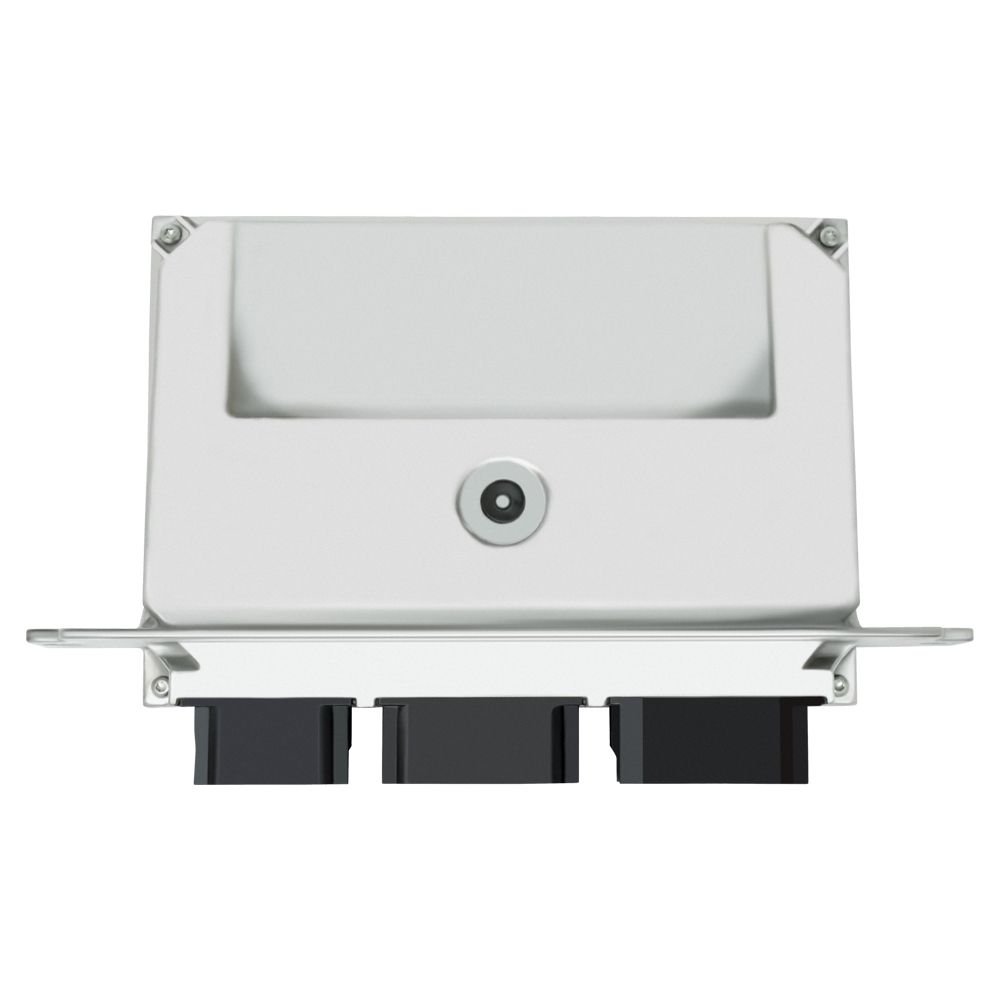
Flagship One stocks a refurbished, VIN-programmed PCM for the 2011 Ford Escape with a lifetime warranty, free shipping and no core charge. The full Ford Escape module lineup covers other engine configurations as well.
The Powertrain Control Module in your 2011 Ford Escape plays a vital role in keeping your vehicle running smoothly. If you’re experiencing symptoms like stalling, no-start conditions, or stored trouble codes, replacing the PCM may be the solution. With the right module and proper installation, you can restore your Escape’s performance and avoid further issues. Whether you tackle the replacement yourself or leave it to a professional, addressing the problem promptly will help keep your vehicle reliable for years to come.