
Last updated on August 25th, 2026 at 01:33 pm
The Powertrain Control Module (PCM) in your 2010 Ford Explorer Sport Trac serves as the central computer managing engine operation, fuel delivery, ignition timing, and transmission shifting. Internal processor failures can corrupt calibration data, causing drivability problems or complete engine stall.
When the Powertrain Control Module fails on a 2010 Ford Explorer Sport Trac, the effects reach nearly every system the engine manages. This module, often called the ECM or PCM depending on Ford service literature, governs fuel injection, spark timing, variable valve timing, and the automatic transmission. A failing unit typically announces itself through hard starting, intermittent stalling, or a persistent check engine light that resists simple repairs. Understanding what this module does, where it mounts, what symptoms suggest failure, and what replacement involves helps you make informed decisions before spending money on guesswork repairs. The Sport Trac’s 4.0-liter V6 has known vulnerabilities in this area, and factory service documentation outlines specific behaviors to watch for. This guide covers everything from diagnosis to installation considerations, with emphasis on what the repair process actually requires for this vehicle.
The Powertrain Control Module in the 2010 Ford Explorer Sport Trac acts as the nerve center for the engine and transmission. Your Sport Trac’s 4.0-liter V6 relies on dozens of sensors feeding real-time data to this computer, which then adjusts fuel mixture, advance, and transmission shift points hundreds of times per second. The module processes inputs from the mass airflow sensor, throttle position sensor, crankshaft position sensor, and many others to maintain optimal combustion under all driving conditions.
Internal electronics within the module can fail through several mechanisms. Voltage spikes from a faulty alternator or jump-start mishap may damage the internal memory chips. Heat cycling over years eventually degrades solder connections on the circuit board. When the processor itself encounters an internal fault, the module typically sets a permanent internal code and may enter a failsafe mode that limits engine performance or prevents startup entirely.
The consequences extend beyond simple inconvenience. A compromised module can cause your transmission to shift harshly or unpredictably, increase emissions beyond legal limits, or create a situation where the engine cuts out completely at speed. Because the PCM also manages the oxygen sensor heater circuits and catalytic converter efficiency, prolonged operation with a failing module risks damage to emissions components downstream.
Owners seeking replacement engine computers for the Sport Trac will find that genuine Ford units are expensive and often require dealer programming, while aftermarket options vary significantly in quality and included programming. Understanding these differences matters before you commit to a repair path.
2010 Ford Explorer Sport Trac
OEM programmed replacements — plug & play, no dealer visit.
Find yours by year, make & model →
Free shipping · Lifetime warranty
Ford positioned the Powertrain Control Module in the engine compartment of the 2010 Explorer Sport Trac, mounted to the firewall on the driver’s side. This location provides reasonable access for removal but requires careful handling given the module’s role in critical vehicle functions.
The replacement process begins with disconnecting the negative battery terminal to eliminate power presence. The technician then unplugs the electrical harness from the module, removes the mounting fasteners, and transfers the original unit. Book time for this work runs 0.5 hours for the removal and replacement operation on the 4.0L engine, with an additional 0.5 hours allocated for the post-install relearn procedure that the factory requires. Some technicians report that real-world access may take longer than book time due to harness routing and connector stubbornness in this model year.
Installation torque specifications for the mounting hardware, if provided in factory service data, should be followed precisely. After mechanical installation, the new module requires electrical connection and battery reconnection. The relearn procedure synchronizes the replacement PCM with your vehicle’s unique parameters, including security immobilizer codes, transmission adaptives, and fuel trims learned over the original module’s lifespan. Skipping this step typically results in poor drivability, transmission issues, or a no-start condition.
| Operation | Configuration | Book Time |
|---|---|---|
| Engine Control Module Relearn | Explorer | 0.5 hr |
| Engine Control Module Relearn | Explorer Sport Trac | 0.5 hr |
| Engine Control Module R&R | Explorer | 0.6 hr |
| Engine Control Module R&R | 4.0L | 0.5 hr |
| Engine Control Module R&R | 4.6L | 0.6 hr |
| Powertrain Control Module R&R | Explorer | 0.6 hr |
| Powertrain Control Module R&R | 4.0L | 0.5 hr |
| Powertrain Control Module R&R | 4.6L | 0.6 hr |
After physically installing a replacement PCM in your 2010 Ford Explorer Sport Trac, Ford’s factory service procedure requires a relearn process that allows the new module to adapt to your specific vehicle. This procedure, which consumes approximately 0.5 hours according to labor guides, teaches the PCM your engine’s unique characteristics and resets adaptive fuel and transmission tables that would otherwise remain corrupted from the failed module’s data.
The relearn involves a specific drive cycle that exposes the engine to varying loads and temperatures so the PCM can calibrate its feedback systems properly. Without completing this sequence, your Sport Trac may exhibit hesitation, poor idle quality, or incorrect shift points. Dealerships handle this through their diagnostic equipment as part of any PCM replacement.
When you purchase a replacement module from Flagship One, you receive a VIN-programmed replacement unit that arrives ready to install. This means the relearn procedure you would otherwise need to perform at a dealership has already been completed using your specific vehicle identification number. You still perform the post-installation electrical connection steps and should verify proper operation, but the time-consuming factory programming flash that dealerships charge for is already done before the part reaches your door.
Powertrain Control Module failures in the 2010 Ford Explorer Sport Trac often begin subtly before becoming obvious problems. Intermittent no-start conditions rank among the most common complaints, where the engine cranks normally but fails to fire, then starts normally again after several attempts. This pattern suggests an internal electronics issue rather than a simple sensor failure.
Check engine lights that persist despite replacing sensors or clearing codes point toward an internal module fault. When the PCM itself malfunctions, it may generate phantom trouble codes for sensors that are actually functioning correctly. Your scan tool might show a confusing array of codes across multiple systems that do not correlate with actual component failures.
Performance symptoms include rough idle that feels like a serious misfire, hesitation during acceleration, and occasional stalling at idle or when coming to a stop. In severe cases, the engine may enter a limited-performance mode to protect itself, reducing power significantly until the underlying fault is addressed.
Transmission behavior often suffers as well, with harsh shifts, failure to shift, or engagement delays that feel like a mechanical transmission problem. The PCM controls shift timing and pressure, so electronics issues translate directly to shifting complaints. When internal codes appear indicating processor problems, such as processor communication fault, the root cause typically lies within the module itself rather than external wiring or sensors.
The 2010 Ford Explorer Sport Trac may exhibit specific module-internal trouble codes when the Powertrain Control Module experiences internal failures. These codes differ from standard diagnostic trouble codes in that they point directly to problems within the computer module rather than external sensor or wiring faults. Recognizing these codes helps confirm whether replacement rather than sensor diagnosis is the appropriate path.
| Code | Meaning | Full Guide |
|---|---|---|
| P0606 | Module processor failure | Full P0606 guide → |
Factory Service Bulletin 10-18-11 addresses specific concerns with the 4.0L engine found in the 2010 Explorer Sport Trac. The bulletin documents conditions including engine noise, illumination of the malfunction indicator lamp, and diagnostic trouble code P0340 being present. Additional symptoms covered include lack of power, rough running, and no-start conditions. This bulletin applies specifically to the 4.0-liter V6 engine option in this vehicle and provides guidance for diagnosis and repair. Technicians following this bulletin would verify the condition exists before recommending module replacement or other repairs.
| Bulletin | Subject | What It Addresses |
|---|---|---|
| 10-18-11 | 4.0L – ENGINE NOISE, MIL WITH DTC P0340, LACKS POWER, RUNS ROUGH – NO START | — |
Sensor failures typically set codes specific to that circuit, while PCM internal failures often generate codes for multiple unrelated systems simultaneously. A scan tool capable of reading module-internal codes can reveal faults like P0606 that point directly to the computer. If codes persist after sensor replacement or if multiple unrelated codes appear together, the PCM itself warrants closer inspection.
Used PCM units from salvage vehicles require dealer programming to match your specific vehicle’s VIN and security immobilizer data. Without proper programming, the engine will not start regardless of mechanical condition. This process adds cost and complexity that often approaches the price of a quality refurbished replacement with programming already included.
If the PCM is confirmed faulty through proper diagnosis, replacement should eliminate the check engine light caused by internal faults. However, any underlying conditions that damaged the original module, such as wiring issues or voltage problems, will continue to affect the replacement. A thorough diagnosis before replacement prevents repeat failures.
Factory service information allocates approximately 0.5 hours for the relearn procedure following PCM installation on the Explorer Sport Trac 4.0L. The actual process involves driving through specific conditions including idle periods, light acceleration, and full-throttle operation to allow the module to recalibrate its adaptive parameters.
Immediately after replacement, some transmission irregularity is expected until the relearn procedure completes. The new module must adapt to your transmission’s specific wear and characteristics. If harsh shifting or engagement delays persist after completing the factory drive cycle, the relearn may need repetition or there could be a separate transmission concern requiring diagnosis.
Replacing the Powertrain Control Module on your 2010 Ford Explorer Sport Trac involves a choice between expensive dealer replacement with included programming or a quality aftermarket unit with pre-loaded programming. Dealership quotes for this repair often exceed the value of the vehicle itself when you factor in parts cost, programming fees, and labor. Aftermarket replacements offer significant savings, but not all units arrive ready to install. Flagship One units arrive VIN-programmed specifically for your Sport Trac, eliminating the dealer flash step and getting you back on the road faster with a known-warranty component.
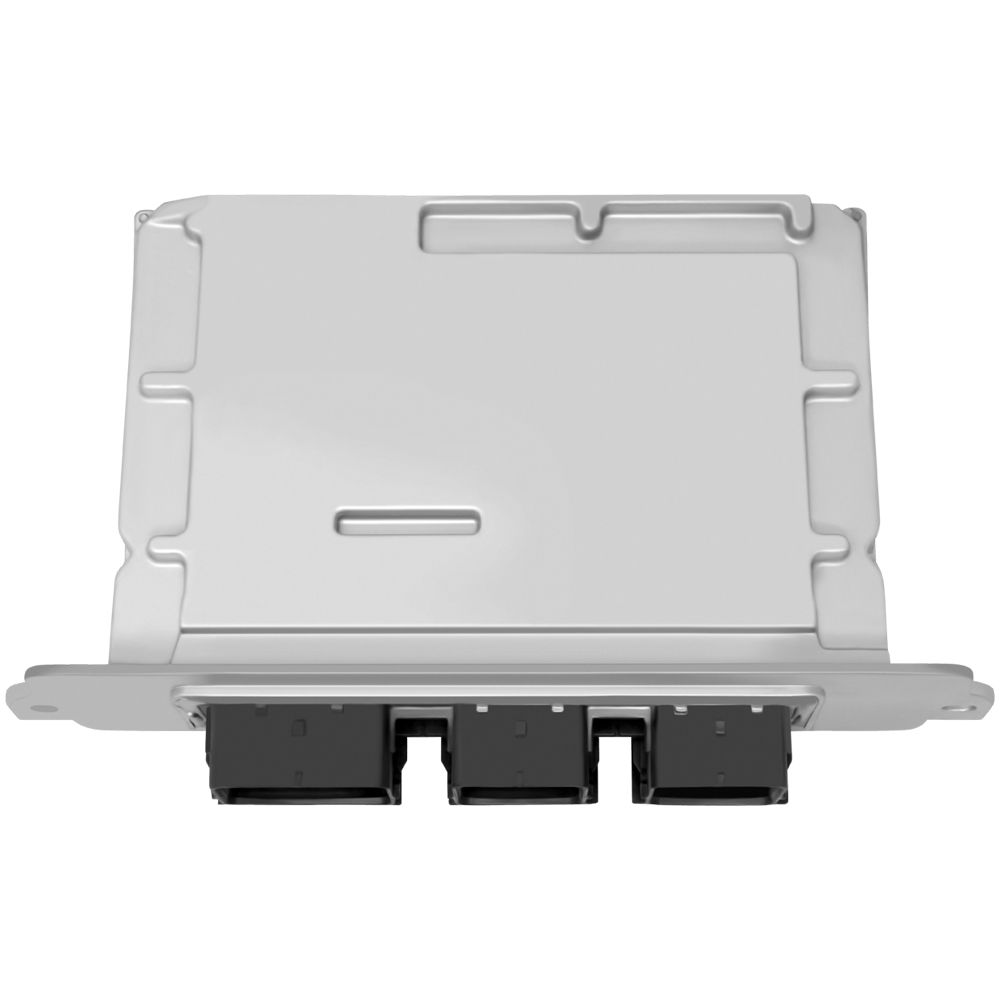
Flagship One stocks a refurbished, VIN-programmed PCM for the 2010 Ford Explorer Sport Trac with a lifetime warranty, free shipping and no core charge. The full Ford Explorer Sport Trac module lineup covers other engine configurations as well.
PCM failures on the 2010 Ford Explorer Sport Trac can leave you stranded or dealing with persistent drivability problems that resist conventional repair attempts. Recognizing the symptoms early and understanding the replacement process helps you make cost-effective decisions rather than chasing endless sensor replacements. Whether you ultimately choose dealer service or an aftermarket replacement like those from Flagship One, ensuring the programming is correct for your specific vehicle remains essential. Your Sport Trac deserves a properly functioning Powertrain Control Module to deliver the reliability this model is known for.