
Last updated on August 25th, 2026 at 12:22 pm
The Powertrain Control Module (PCM) in your 2004 Ford Explorer Sport Trac manages engine and transmission functions. Failures may cause erratic performance, no-start conditions, or transmission shifting issues. This module integrates engine control (ECM) and transmission control into one unit.
If your 2004 Ford Explorer Sport Trac is experiencing intermittent stalling, a no-start condition, or erratic shifting, the Powertrain Control Module (PCM) may be the culprit. This critical component acts as the brain of your vehicle, coordinating engine performance and transmission behavior. When it fails, symptoms can range from subtle drivability issues to complete immobilization. Replacing the PCM isn’t just about swapping hardware—it involves precise labor steps and a mandatory relearn procedure to ensure your vehicle runs correctly. Understanding the process helps you make informed decisions, whether you’re tackling the job yourself or working with a mechanic. This guide covers what the PCM does, where it’s located, the labor involved, and how a pre-programmed replacement unit can streamline the repair. You’ll also learn about common failure symptoms and practical steps to protect your vehicle’s module from future issues.
The Powertrain Control Module (PCM) in your 2004 Ford Explorer Sport Trac serves as the central computer for both engine and transmission operations. It processes data from sensors throughout the vehicle to optimize fuel delivery, ignition timing, and transmission shifting. Without a functioning PCM, your engine may fail to start, run roughly, or even stall unexpectedly. The module also plays a role in emissions control, ensuring your vehicle meets regulatory standards. When it malfunctions, you might notice symptoms like poor fuel economy, rough idling, or transmission hesitation. Replacing the PCM isn’t just about restoring basic functionality—it’s about ensuring your vehicle operates as efficiently as it did when new. For the 2004 Explorer Sport Trac, replacement engine computers for the Explorer Sport Trac are designed to integrate seamlessly with your vehicle’s existing systems, provided they’re properly programmed and installed. The PCM’s dual role means a single failure can disrupt multiple aspects of your driving experience, making timely replacement essential.
2004 Ford Explorer Sport Trac
OEM programmed ECM for your 2004 Ford Explorer Sport Trac — plug & play, no dealer visit.
Free shipping · Lifetime warranty
In your 2004 Ford Explorer Sport Trac, the Powertrain Control Module (PCM) is located in the engine bay, typically mounted on the passenger-side fender well or firewall. Accessing it requires removing a protective cover or air intake components, depending on your vehicle’s configuration. The replacement process involves disconnecting the battery, unplugging the electrical connectors, and removing the mounting bolts. Once the old module is out, the new unit is installed in reverse order. Labor time for removal and replacement is typically 0.4 hours, according to factory estimates. After installation, the module must be relearned to the vehicle, a procedure that takes an additional 0.5 hours. This step ensures the PCM synchronizes with your engine and transmission, allowing for proper operation. No specialized tools are required beyond basic hand tools, but care must be taken to avoid damaging connectors or the module itself during installation.
Work with the ignition off, and treat the module as static-sensitive: avoid touching the connector pins at any point.
| Operation | Configuration | Book Time |
|---|---|---|
| Powertrain Control Module R&R | Explorer | 0.6 hr |
| Powertrain Control Module R&R | Explorer Sport Trac | 0.4 hr |
| Powertrain Control Module Relearn | Explorer | 0.5 hr |
| Powertrain Control Module Relearn | Explorer Sport Trac | 0.5 hr |
| Engine Control Module Relearn | Explorer | 0.5 hr |
| Engine Control Module Relearn | Explorer Sport Trac | 0.5 hr |
| Engine Control Module R&R | Explorer | 0.6 hr |
| Engine Control Module R&R | Explorer Sport Trac | 0.4 hr |
After replacing the Powertrain Control Module (PCM) in your 2004 Ford Explorer Sport Trac, a factory relearn procedure is required to ensure the new unit communicates correctly with your vehicle’s systems. This process typically takes 0.5 hours and involves using a scan tool to reset adaptive values and synchronize the PCM with the engine and transmission. Without this step, your vehicle may experience poor performance, shifting issues, or even a no-start condition. However, if you opt for a VIN-programmed replacement unit, the module arrives pre-configured to your vehicle’s specifications, eliminating the need for additional programming. This not only saves time but also reduces the risk of errors during the relearn process. The factory procedure may also include clearing any stored trouble codes and performing a road test to confirm proper operation. Using a pre-programmed unit ensures your vehicle is ready to drive as soon as the installation is complete.
When the Powertrain Control Module (PCM) in your 2004 Ford Explorer Sport Trac begins to fail, you may notice a range of symptoms that can disrupt your driving experience. One of the most common signs is a no-start condition, where the engine cranks but fails to fire. This often occurs because the PCM isn’t sending the correct signals to the fuel injectors or ignition system. Another frequent issue is intermittent stalling, particularly at idle or during deceleration, which can leave you stranded or create hazardous driving conditions. You might also experience rough idling, poor acceleration, or a noticeable drop in fuel efficiency. Transmission-related symptoms, such as harsh or delayed shifting, can also point to a failing PCM, as it controls both engine and transmission functions. Onboard diagnostics may trigger a memory integrity fault or other module-related trouble codes, which can help pinpoint the issue. In some cases, the check engine light may illuminate, but the vehicle may still run poorly even if no codes are stored. If your scan tool fails to communicate with the PCM, that’s a strong indication the module itself is malfunctioning. These symptoms often worsen over time, so addressing them promptly can prevent more serious drivability issues.
Common signs include a no-start condition, intermittent stalling, rough idling, or transmission shifting issues. If your scan tool can’t communicate with the PCM or you see module-related trouble codes, the PCM may need replacement.
Yes, if you’re comfortable with basic mechanical work. The PCM is located in the engine bay, and replacement involves disconnecting the battery, unplugging connectors, and removing mounting bolts. However, a relearn procedure is required afterward.
Without the relearn procedure, your vehicle may experience poor performance, shifting issues, or a no-start condition. The PCM needs to synchronize with the engine and transmission to function correctly.
Stalling after replacement is often due to an incomplete relearn procedure or a faulty installation. Ensure all connectors are secure and the relearn process is completed using a scan tool.
Replacement typically takes 0.4 hours, and the relearn procedure takes an additional 0.5 hours. Using a pre-programmed unit can eliminate the need for additional programming time.
If your 2004 Ford Explorer Sport Trac is showing signs of PCM failure, you have options for repair. A refurbished or new replacement unit can restore your vehicle’s performance without the hassle of extensive programming. Given the labor times involved, opting for a pre-programmed module can save time and reduce the risk of errors during installation. Whether you choose to tackle the job yourself or leave it to a professional, understanding the process ensures you make the best decision for your vehicle’s needs.
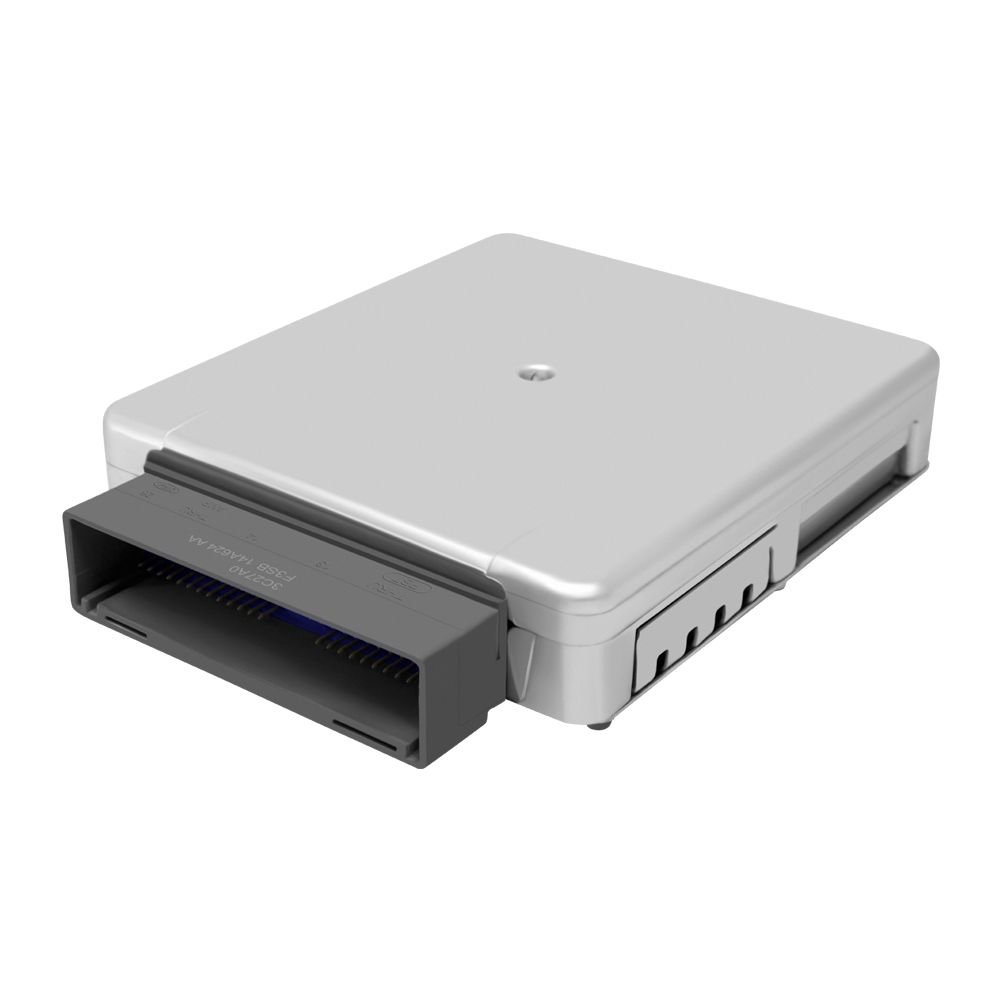
Flagship One stocks a refurbished, VIN-programmed PCM for the 2004 Ford Explorer Sport Trac with a lifetime warranty, free shipping and no core charge. The full Ford Explorer Sport Trac module lineup covers other engine configurations as well.
The Powertrain Control Module in your 2004 Ford Explorer Sport Trac is a critical component that ensures smooth engine and transmission operation. If you’re experiencing symptoms like stalling, no-start conditions, or shifting issues, a failing PCM may be the cause. Replacing it involves straightforward labor, but the relearn procedure is essential for proper function. By opting for a pre-programmed replacement unit, you can simplify the process and get your vehicle back on the road faster. Regular maintenance and prompt attention to trouble codes can help protect your PCM from future issues.