
Last updated on August 25th, 2026 at 01:35 pm
The Powertrain Control Module (PCM) and Engine Control Module (ECM) in your 2006 Ford Mustang (4.0L) serve as the central computer managing fuel injection, ignition timing, emissions systems, and transmission shifting. When these modules fail, the vehicle may exhibit drivability issues or fail to start entirely.
If you own a 2006 Ford Mustang with the 4.0L V6 engine and are experiencing starting problems, intermittent stalling, or warning lights that refuse to clear, the Powertrain Control Module or Engine Control Module may be failing. These computing units are the brain of your vehicle’s powertrain, and when they malfunction, the entire drivetrain can be thrown into chaos. This guide walks you through understanding what these modules do, why they fail, the replacement process, and the programming requirements specific to your Mustang. You will learn the factory-recommended procedures, what symptoms to watch for, and how modern replacement units from suppliers like Flagship One arrive pre-programmed to your vehicle’s VIN, eliminating much of the traditional post-install headache. Whether you are a DIY mechanic or discussing options with a professional shop, this information helps you make informed decisions about repairing your 2006 Mustang.
2006 Ford Mustang
OEM programmed ECM for your 2006 Ford Mustang — plug & play, no dealer visit.
Free shipping · Lifetime warranty
The Powertrain Control Module in your 2006 Ford Mustang (4.0L) is the primary computing device responsible for managing the engine and automatic transmission as a unified system. Unlike some vehicles that separate these functions into distinct units, the Mustang’s PCM integrates both engine and transmission control, making it the central nervous system of your drivetrain. This module receives input from dozens of sensors throughout the engine bay and transmission, processing data on throttle position, crankshaft position, coolant temperature, oxygen levels, and many others. Based on this information, the PCM calculates and delivers precise commands to fuel injectors, ignition coils, the idle air control motor, and the transmission shift solenoids. The Engine Control Module portion handles combustion optimization, emissions monitoring, and idle quality, while the transmission control portion manages shift points and line pressure. When this integrated unit fails or develops internal faults, your Mustang may run poorly, fail to start, or display transmission-related symptoms despite the problem originating in the computer. Replacement engine computers for the 2006 Mustang must be programmed with the correct calibration software and security data before they will function properly in your vehicle.
Flagship One keeps Ford Mustang replacement engine computers in stock for exactly this failure pattern.
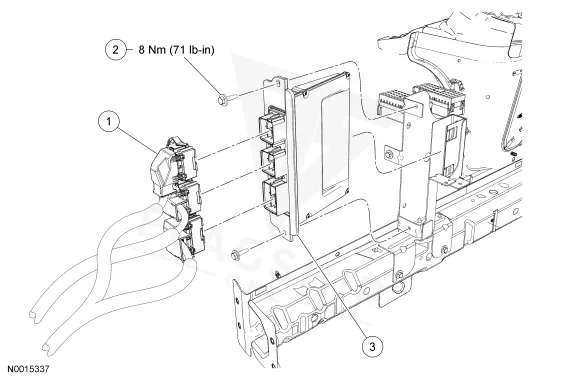
Regarding the physical location and installation procedure for the PCM or ECM in your 2006 Ford Mustang, the labor guide specifies that the module replacement and reinstallation process requires approximately 0.5 hours of book time for the remove-and-replace operation alone. Additionally, after the new module is installed, a separate relearn procedure must be performed, which requires an additional 0.5 hours of labor time. This means the total hands-on labor for swapping the module and completing the initial system adaptation is approximately one hour combined. The actual replacement involves disconnecting the battery, removing the old module from its mounting location, transferring any remaining hardware or connectors, installing the new unit, and then connecting the battery for the relearn procedure. During the relearn process, the new module must synchronize with the vehicle’s sensors and learn the specific characteristics of your engine and transmission. It is important to note that the module location itself was not specified in the available service information, so consulting a vehicle-specific service manual for the exact mounting position is recommended before beginning the repair.
| Operation | Configuration | Book Time |
|---|---|---|
| Powertrain Control Module R&R | All configurations | 0.5 hr |
| Powertrain Control Module Relearn | All configurations | 0.5 hr |
| Engine Control Module R&R | All configurations | 0.5 hr |
After replacing the PCM or ECM in your 2006 Ford Mustang, the factory procedure requires reprogramming the passive anti-theft system (PATS) before the vehicle will start. This security feature ties the engine control module to your vehicle’s unique ignition key, preventing unauthorized engine operation even if someone has a duplicate key. The PATS reprogramming procedure is a mandatory step that must be performed using a Ford-approved scan tool or diagnostic equipment capable of security access. Without completing this procedure, the starter will engage but the fuel injectors will remain disabled, leaving you with a no-start condition. However, replacement units from Flagship One arrive VIN-programmed, meaning the new module arrives pre-loaded with your specific vehicle’s identification data and the PATS information is already configured. This means the traditional reprogramming step that would normally be required is already completed before the unit ships, allowing you to install the module and proceed directly to the relearn procedure without needing to handle security programming yourself.
Every VIN-programmed replacement unit from Flagship One arrives with these steps already completed.
When the PCM or ECM in a 2006 Ford Mustang begins to fail, the symptoms can range from subtle drivability complaints to complete no-start conditions. One of the most common indications of module trouble is a no-start condition where the engine cranking normally but the vehicle refuses to run, often accompanied by a security warning light remaining illuminated or flashing. Intermittent stalling is another frequent symptom, particularly at idle or during low-speed maneuvers, where the engine may unexpectedly die and then restart normally after a brief period. Misfire codes, specifically codes beginning with P0300 indicating random or multiple-cylinder misfire, often set when the module cannot properly control fuel delivery or ignition timing. In some cases, the scan tool may fail to communicate with the vehicle entirely, leaving technicians unable to retrieve diagnostic information until the module is serviced. Transmission shifting issues may also manifest, including harsh shifts, delayed engagement, or the transmission remaining stuck in a single gear, because the integrated PCM controls shift solenoids and line pressure. The check engine light may illuminate with various codes, but the root cause traces back to the module’s inability to process sensor data correctly or output proper commands to actuators.
No, replacement modules must be programmed to your specific vehicle’s VIN and PATS data. An unprogrammed unit will not allow the engine to start, and using a module from a different Mustang may cause drivability issues or trigger security codes.
You can perform the physical replacement yourself if you have basic mechanical skills, but the PATS reprogramming traditionally requires dealer-level diagnostic equipment. However, purchasing a VIN-programmed replacement unit from Flagship One eliminates this requirement, allowing for simpler installation.
If your Mustang cranks normally but won’t start, displays a persistent security light, sets multiple unrelated trouble codes, or shows no communication with a scan tool, the PCM is a prime suspect. A qualified technician can perform specific tests to isolate the module as the cause.
The 2006 Mustang with the 4.0L engine uses an integrated PCM that functions as both the Engine Control Module and the transmission control module. They are combined into a single unit rather than separate components.
Repairing an original PCM is typically not cost-effective for this model year, as the repair process is complex and may not address underlying issues. Replacement with a VIN-programmed unit from Flagship One is often the more reliable solution.
When facing PCM or ECM failure in your 2006 Ford Mustang, you have two primary repair paths to consider. The first option is purchasing a new replacement unit from a dealership, which ensures correct programming but often comes with a significant cost premium and potential waiting time. The second option is obtaining a refurbished or remanufactured unit from Flagship One, which arrives VIN-programmed and ready to install, saving you the hassle of dealer programming appointments. For the 2006 Mustang specifically, the pre-programmed route eliminates the most common obstacle DIY mechanics face when tackling this repair, making it a practical choice for those comfortable with basic installation procedures.
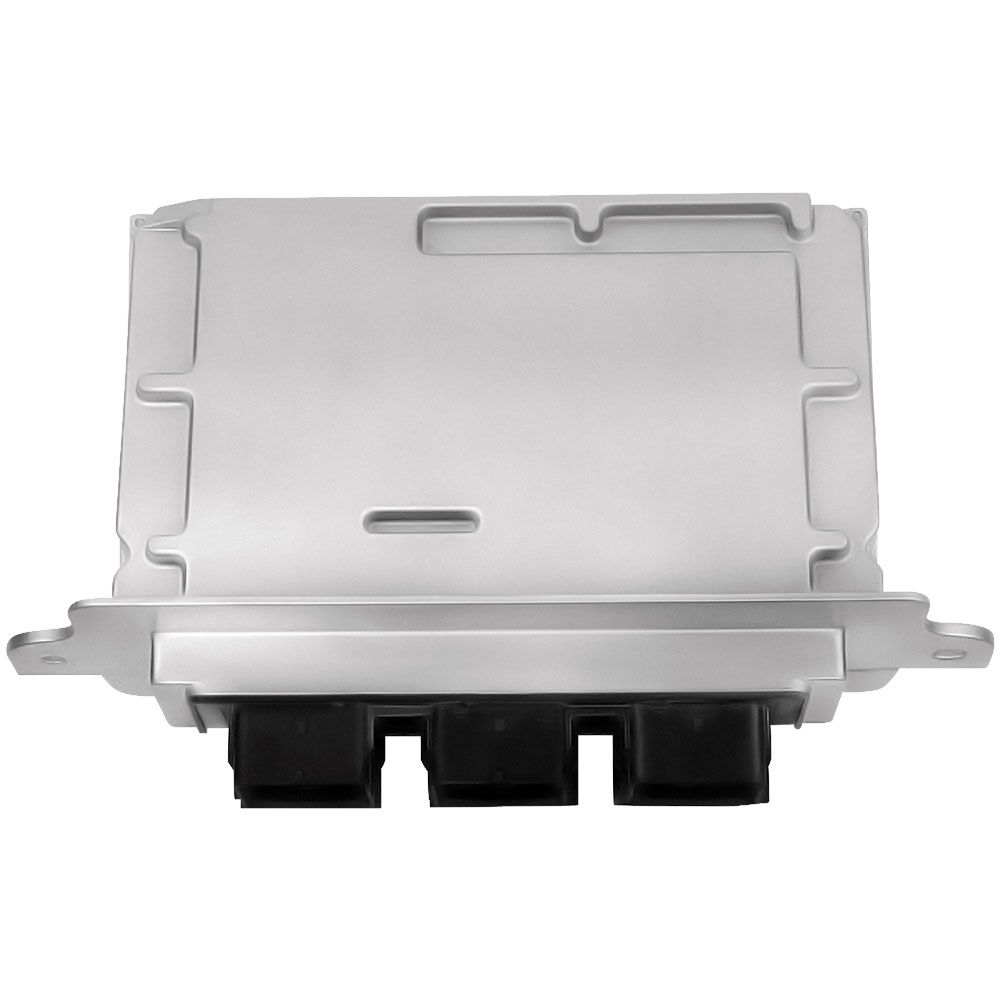
Flagship One stocks a refurbished, VIN-programmed PCM for the 2006 Ford Mustang with a lifetime warranty, free shipping and no core charge. The full Ford Mustang module lineup covers other engine configurations as well.
The 2006 Ford Mustang’s PCM is a sophisticated computing unit that, while robust, can fail over time due to heat cycles, electrical stress, or internal component degradation. Understanding the symptoms, replacement procedures, and programming requirements empowers you to address these failures confidently. Whether you choose professional installation or tackle the job yourself, sourcing a properly programmed replacement unit is the key to restoring your Mustang’s reliable operation. Take action today by identifying your module part number and exploring your replacement options before being stranded with a no-start vehicle.