
Last updated on August 25th, 2026 at 01:14 pm
In the 2005 Ford Thunderbird, the Powertrain Control Module (PCM) and Engine Control Module (ECM) manage engine timing, fuel delivery, and transmission shift strategy. A failure typically disrupts communication with the engine, leading to loss of power, erratic idle, or a complete no‑start condition.
When a 2005 Ford Thunderbird begins to hesitate, stall, or refuse to start, the underlying issue often traces back to the vehicle’s control computers. The Powertrain Control Module and Engine Control Module act as the brain for engine and transmission operations, interpreting sensor data and issuing commands in real time. Understanding how these modules function, what symptoms their failure produces, and what labor is involved in replacement can help you decide whether to pursue a repair or a refurbished unit. This guide outlines the diagnostic clues, the steps required to swap the modules, and the programming considerations that follow, giving you a clear picture of the process and what to expect from a Flagship One replacement.
The Powertrain Control Module in the 2005 Ford Thunderbird coordinates fuel injection, ignition timing, and transmission shift points based on inputs from dozens of sensors. The Engine Control Module performs a similar role focused on engine combustion control, handling idle speed, emissions, and knock detection. Both modules store adaptive learning data that fine‑tunes performance over time. Because they directly influence drivability, a malfunction can cause rough idle, loss of power, or even a complete shutdown. The vehicle relies on these computers to meet emissions standards and maintain fuel efficiency, so maintaining their integrity is essential. For owners seeking a replacement, the 2005 Ford Thunderbird replacement modules are designed to match the original specifications and interface seamlessly with existing wiring.
2005 Ford Thunderbird
OEM programmed ECM for your 2005 Ford Thunderbird — plug & play, no dealer visit.
Free shipping · Lifetime warranty
Both the PCM and ECM are situated beneath the engine cover on the passenger side of the 2005 Ford Thunderbird. Access typically requires removal of the air intake assembly and disconnecting the battery to prevent electrical shorts. Once the cover is off, the module bolts can be loosened, allowing the unit to be slid out of its bracket. Reinstallation follows the reverse order, with torque specifications observed if provided in the service manual. The labor estimate for removing and reinstalling the Powertrain Control Module is about 1.4 hours, while the Engine Control Module follows the same time frame. After the hardware is in place, a relearn procedure of 0.5 hours is needed for each module to restore adaptive parameters.
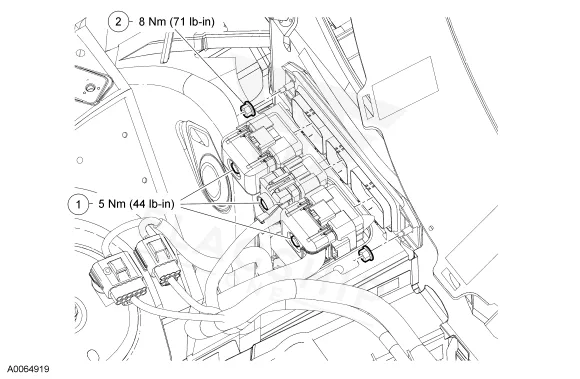
Work with the ignition off, and treat the module as static-sensitive: avoid touching the connector pins at any point.
| Operation | Configuration | Book Time |
|---|---|---|
| Powertrain Control Module R&R | All configurations | 1.4 hr |
| Powertrain Control Module Relearn | All configurations | 0.5 hr |
| Engine Control Module Relearn | All configurations | 0.5 hr |
| Engine Control Module R&R | All configurations | 1.4 hr |
Factory service procedures dictate that after installing a new PCM or ECM in a 2005 Ford Thunderbird, a relearn sequence must be performed to synchronize the module with the vehicle’s existing sensors and transmission control logic. This includes a Powertrain Control Module relearn lasting roughly 0.5 hours and an Engine Control Module relearn of the same duration. Flagship One units arrive as a VIN-programmed replacement unit, meaning the necessary calibration data is already encoded, and the post‑install relearn steps are effectively completed at the factory.
A failing PCM or ECM in a 2005 Ford Thunderbird may manifest as a complete no‑start condition, intermittent stalling while cruising, rough idle, or unexpected transmission shifts. Diagnostic trouble codes often appear, with P0601 indicating an internal processor fault within the control module. Drivers might also notice the check engine light flashing, reduced fuel efficiency, or a loss of power‑train related functions. Because the modules control both engine and transmission, any disruption can lead to a cascade of performance issues that feel like random misfires or loss of acceleration.
The service manual lists about 1.4 hours for removal and reinstall of the Powertrain Control Module, plus an additional 0.5 hours for the required relearn procedure.
Yes, because the ECM works closely with the PCM to manage shift timing, a malfunction can result in harsh or delayed shifts.
Disconnecting the battery is recommended to prevent accidental short circuits and to reset the vehicle’s electronic systems before removal.
A VIN‑programmed unit already contains the vehicle‑specific calibration data, eliminating the need for on‑site coding and reducing the total labor time.
P0601 signals an internal processor fault within the control module, often pointing to a PCM or ECM failure that requires further diagnosis.
When a 2005 Ford Thunderbird’s control module fails, you can choose between a factory‑refurbished replacement or a new OEM unit. Both options restore the vehicle’s computer functions, but a Flagship One refurbished module offers the same programming precision without the higher cost of a brand‑new part. Evaluating the labor estimates and the need for relearn procedures helps you decide which path aligns with your budget and time constraints.
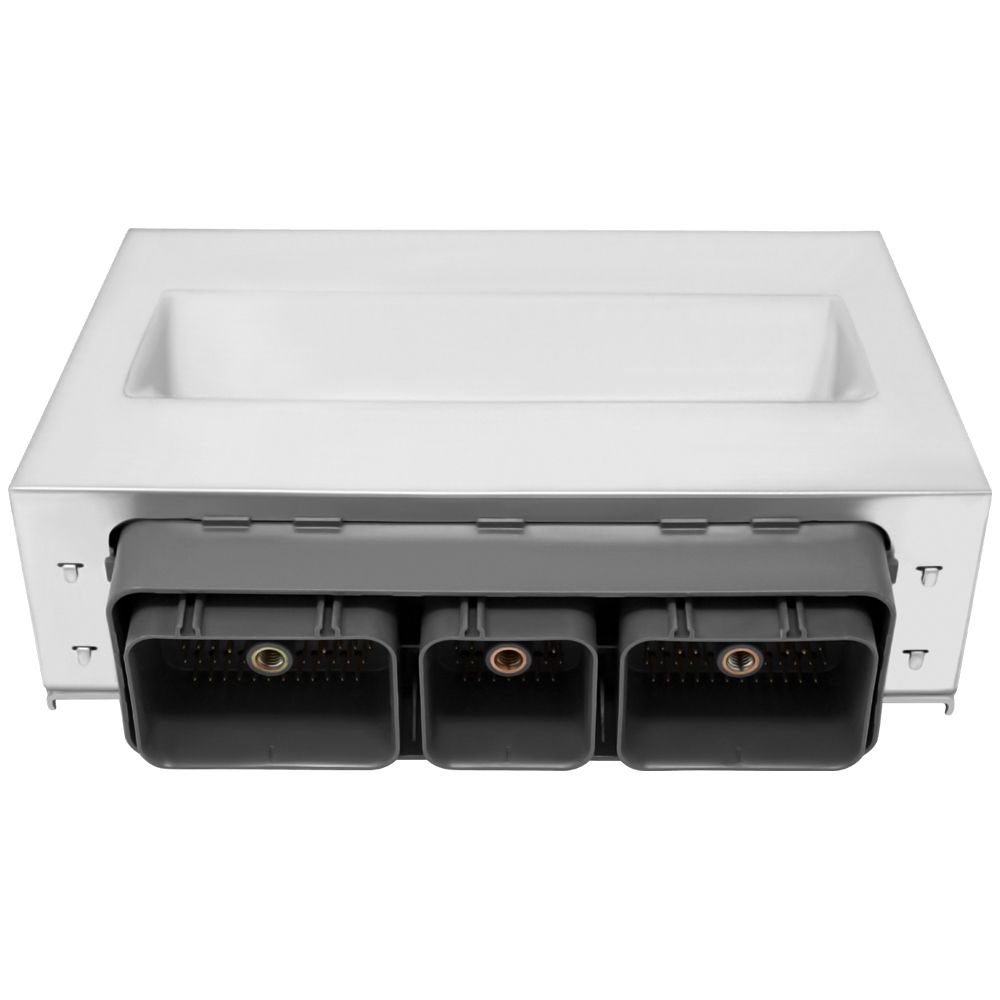
Flagship One stocks a refurbished, VIN-programmed PCM for the 2005 Ford Thunderbird with a lifetime warranty, free shipping and no core charge. The full Ford Thunderbird module lineup covers other engine configurations as well.
If your 2005 Ford Thunderbird is experiencing no‑start or erratic performance, the PCM or ECM may be at fault. Considering a Flagship One replacement can simplify the repair by removing the programming steps, letting you get back on the road faster. Contact a qualified technician to assess the issue and discuss your options.