
Last updated on August 25th, 2026 at 01:35 pm
The Passive Anti-Theft System (PATS) in your 2005 Ford GT is a security module integrated with the powertrain control module (PCM). It verifies key transponder signals before allowing engine start. Failure may cause intermittent no-start conditions or stalling, often tied to PCM communication errors.
If your 2005 Ford GT suddenly refuses to start or stalls unexpectedly, the Passive Anti-Theft System (PATS) may be the culprit. This security feature, embedded within the powertrain control module (PCM), verifies the unique signal from your key’s transponder before allowing fuel injection and ignition. When the system fails, it often leaves the engine in a no-crank or no-start state, mimicking a dead battery or starter issue. Reprogramming the PCM is the factory-approved method to resynchronize PATS with your vehicle’s security credentials. For owners, this process can be daunting—requiring dealer-level tools and security access codes—but understanding the steps demystifies the repair. Whether you’re diagnosing a persistent no-start condition or replacing the PCM, knowing how PATS interacts with your Ford GT’s electronics helps you make informed decisions about repairs and avoid unnecessary towing or dealer visits.
2005 Ford GT
OEM programmed ECM for your 2005 Ford GT — plug & play, no dealer visit.
Free shipping · Lifetime warranty
The Passive Anti-Theft System (PATS) in your 2005 Ford GT is more than just an immobilizer—it’s a critical layer of engine management. When you insert the key, the PATS module reads the transponder’s encrypted signal and cross-references it with data stored in the PCM. If the codes match, the PCM enables fuel delivery and ignition; if they don’t, the engine remains immobilized. This system is particularly important in high-value vehicles like the Ford GT, where theft prevention is a priority. However, PATS relies on flawless communication between the key, antenna ring, and PCM. Corrosion in the wiring harness, a weak transponder battery, or a failing PCM can disrupt this chain, leaving you stranded. Replacing the PCM in a 2005 Ford GT isn’t just about swapping hardware; it requires reprogramming to ensure the new module recognizes your vehicle’s security credentials. replacement engine computers for the Ford GT are designed to integrate seamlessly with PATS, but factory procedures still demand precise calibration to avoid security-related faults. Without proper synchronization, even a new PCM may trigger a no-start condition, making reprogramming a non-negotiable step in the repair process.
The powertrain control module (PCM) in your 2005 Ford GT is mounted on the driver’s side firewall, behind the engine bay’s plastic cowl panel. Accessing it requires removing the cowl cover, which is secured by several clips and screws. Once the panel is off, you’ll see the PCM housed in a protective bracket. Disconnecting the battery before removal is critical to avoid electrical shorts or accidental airbag deployment. The PCM itself is held in place by two bolts, which must be torqued to factory specifications during reinstallation. While the physical replacement is straightforward, the labor time reflects the care needed to avoid damaging connectors or wiring. Factory service manuals allocate approximately one hour for PCM removal and installation, though this may vary depending on technician experience and vehicle condition. Always inspect the wiring harness and connectors for signs of corrosion or wear before installing a new module, as these issues can mimic PCM failure.
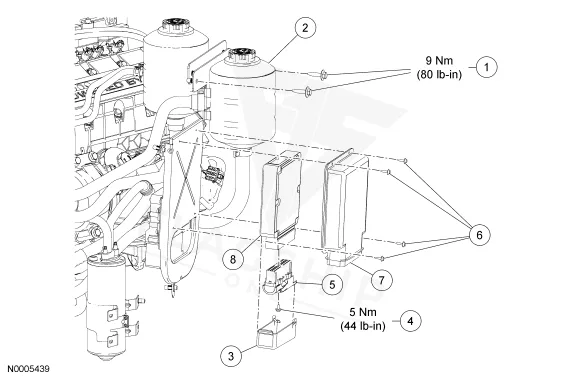
Work with the ignition off, and treat the module as static-sensitive: avoid touching the connector pins at any point.
After replacing the PCM in your 2005 Ford GT, the factory procedure requires reprogramming the Passive Anti-Theft System (PATS) to synchronize the new module with your vehicle’s security credentials. This involves using a Ford-approved scan tool to input security access codes, which are unique to each vehicle. The process also includes relearning the key transponder signals to ensure the engine will start. Without this step, the PCM may reject valid keys, leaving the engine immobilized. Flagship One units arrive a VIN-programmed replacement unit, eliminating the need for post-install reprogramming. This means your new PCM is ready to communicate with PATS right out of the box, saving you time and the hassle of dealer visits. However, if you’re using a non-programmed module, you’ll need to follow the factory procedure precisely, as incorrect steps can lock you out of the system entirely. Always confirm the module’s programming status before installation to avoid unnecessary complications.
A failing Passive Anti-Theft System (PATS) in your 2005 Ford GT often announces itself through frustrating and intermittent symptoms. The most common issue is a no-crank condition, where the engine turns over but refuses to start, as if the key isn’t recognized. In some cases, the vehicle may start normally but stall shortly after, particularly if the PATS module loses communication with the PCM mid-drive. You might also notice the security light flashing on the dashboard, indicating a fault in the system. On a scan tool, you may encounter codes related to immobilizer communication, such as anti-theft sensor fault, which points to a mismatch between the key transponder and the PCM. Other symptoms include intermittent misfires or fuel cutoff, as the PCM may disable fuel injection if it suspects unauthorized access. In rare cases, the vehicle may start but run poorly, with reduced power or erratic shifting, as the PCM defaults to a limited-performance mode to prevent potential theft. If you’re experiencing any of these issues, it’s worth checking the PATS system before assuming a more serious mechanical failure.
A weak or improperly connected battery can cause the Passive Anti-Theft System (PATS) to lose synchronization with the key transponder. The PCM may not recognize the key, leading to a no-start condition. Reprogramming the PATS module or ensuring a stable power source during battery replacement can resolve this issue.
You can replace the PCM yourself, but reprogramming the PATS system requires a Ford-approved scan tool and security access codes. If you’re not comfortable with this step, a dealer or professional technician can handle the programming. Flagship One units arrive pre-programmed to your VIN, simplifying the process.
The security light flashes when the PATS module detects a fault, such as an unrecognized key, a weak transponder signal, or a communication error with the PCM. Scanning for trouble codes can pinpoint the exact issue, which may range from a bad key to a failing PCM.
Common signs include intermittent no-start conditions, stalling shortly after startup, or the security light flashing on the dashboard. A scan tool may reveal immobilizer-related codes, such as B1601, indicating a fault in the PATS system. If these symptoms persist, the module or PCM may need replacement.
A used PCM may physically fit, but it won’t work unless it’s reprogrammed to match your vehicle’s VIN and PATS credentials. Without reprogramming, the PCM will reject your keys, leaving the engine immobilized. Always use a VIN-programmed replacement unit to avoid compatibility issues.
If your 2005 Ford GT is suffering from PATS-related no-start issues, replacing the PCM is often the most reliable solution. While a dealer can handle the reprogramming, Flagship One offers VIN-programmed replacement units that eliminate the need for post-install calibration. This saves you time and ensures your vehicle’s security system is fully functional right out of the box. Whether you opt for a refurbished module or a new one, choosing a pre-programmed unit simplifies the repair process and gets you back on the road faster.
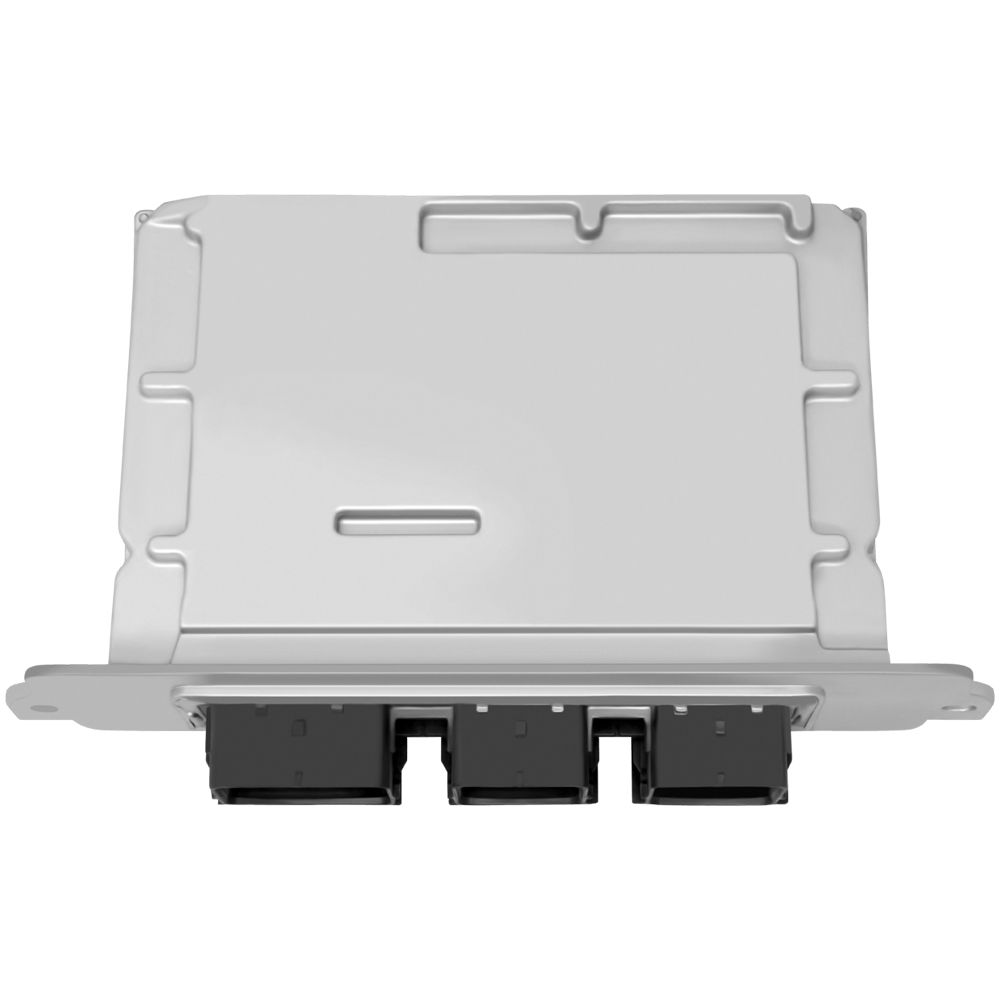
Flagship One stocks a refurbished, VIN-programmed ECM for the 2005 Ford GT with a lifetime warranty, free shipping and no core charge. The full Ford GT module lineup covers other engine configurations as well.
The Passive Anti-Theft System (PATS) in your 2005 Ford GT is a critical component that balances security and performance. When it fails, the symptoms can be frustrating, but understanding the role of the PCM and the importance of reprogramming helps you navigate repairs with confidence. Whether you’re replacing the module yourself or relying on a professional, a VIN-programmed unit from Flagship One ensures a smooth, hassle-free process. Addressing PATS issues promptly keeps your Ford GT running reliably and protects against unexpected no-start conditions.