
Last updated on August 25th, 2026 at 01:36 pm
In the 2004 Ford Thunderbird the Powertrain Control Module (PCM) and Engine Control Module (ECM) manage engine timing, fuel delivery, emissions and transmission shift strategy. A failure in either unit typically results from internal component wear, water intrusion or voltage spikes, causing loss of engine control, erratic idle, or complete shutdown.
When a 2004 Ford Thunderbird begins to exhibit intermittent power loss, rough idle, or a complete no‑start condition, the vehicle’s control computers are often the culprits. The Powertrain Control Module and Engine Control Module act as the brain of the powertrain, interpreting sensor data and directing fuel, spark and shift commands. Understanding how these modules operate, what symptoms signal a fault, and the labor involved in replacement can help you decide whether a repair or a refurbished unit is the better path. This guide walks you through the function of each module, typical labor times, required post‑install procedures, and practical steps to keep the electronics healthy.
The Powertrain Control Module in the 2004 Ford Thunderbird governs both engine and transmission behavior, translating sensor inputs into precise fuel, spark and shift commands. It also monitors emissions compliance and stores diagnostic trouble codes. The Engine Control Module focuses on engine‑specific functions, such as ignition timing, fuel injection, and idle control, while also communicating with the PCM for coordinated operation. Because the two units share data over the vehicle’s communication bus, a failure in one can affect the other, leading to drivability issues. Proper operation of these modules is essential for performance, fuel efficiency and emissions compliance. Maintaining a reliable electrical environment helps prevent premature wear, and when replacement becomes necessary, a Thunderbird PCM replacement often involves removing the module from its engine compartment location and installing a new unit that matches the vehicle’s specifications.
2004 Ford Thunderbird
OEM programmed ECM for your 2004 Ford Thunderbird — plug & play, no dealer visit.
Free shipping · Lifetime warranty
Both the PCM and ECM are mounted in the engine compartment of the 2004 Ford Thunderbird, typically secured with bolts that require standard torque specifications. Removal begins by disconnecting the negative battery terminal to protect the vehicle’s electrical system. After the connector harness is unplugged, the mounting bolts are loosened, allowing the module to be lifted out. Installation reverses the process: the new module is positioned, bolts are torqued to factory values, the harness is reconnected, and the battery is reattached. The labor guide lists 1.4 hours for each module replacement, reflecting the time needed to access the unit, remove fasteners, and secure the replacement.
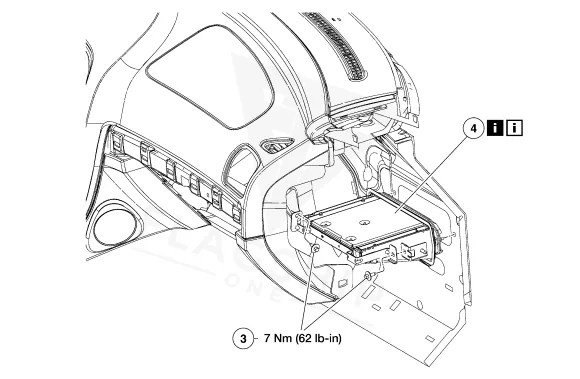
Work with the ignition off, and treat the module as static-sensitive: avoid touching the connector pins at any point.
| Operation | Configuration | Book Time |
|---|---|---|
| Powertrain Control Module R&R | All configurations | 1.4 hr |
| Powertrain Control Module Relearn | All configurations | 0.5 hr |
| Engine Control Module Relearn | All configurations | 0.5 hr |
| Engine Control Module R&R | All configurations | 1.4 hr |
Once a new PCM or ECM is installed in the 2004 Ford Thunderbird, the factory procedure calls for a relearn sequence to synchronize the module with the vehicle’s existing parameters. The Powertrain Control Module requires a 0.5‑hour relearn, and the Engine Control Module also needs a 0.5‑hour relearn after installation. Flagship One supplies a a VIN-programmed replacement unit that arrives already calibrated to the vehicle’s VIN, so these relearn steps are completed at the factory, reducing shop time and ensuring proper operation from the first start.
Typical signs of a failing PCM or ECM in the 2004 Ford Thunderbird include a complete no‑start condition, rough idle, random stalling, or unexpected transmission shifting. Diagnostic trouble codes often appear, such as a communication fault indicated by P0601 communication fault, which points to a loss of data exchange between modules. You may also notice loss of power‑train related warning lights, reduced fuel efficiency, or an inability to clear codes with a scan tool. These symptoms arise because the modules can no longer process sensor inputs correctly, leading the engine control strategy to default to a safe mode or shut down entirely.
The factory labor guide lists 1.4 hours for removing and installing the Powertrain Control Module on this model.
Yes, the PCM requires a 0.5‑hour relearn procedure, but a VIN‑programmed Flagship One unit arrives with that step already completed.
Because the ECM shares data with the PCM, a malfunction can affect shift timing, leading to harsh or delayed gear changes.
P0601 signals a communication fault between the PCM and ECM, often resulting from a bad module or wiring issue.
If you have basic mechanical skills and follow proper safety steps—disconnecting the battery, handling connectors carefully—you can replace it, but professional verification of the relearn may be advisable.
When the PCM or ECM in your 2004 Ford Thunderbird fails, you can choose between a repair that restores the original unit or a refurbished replacement that meets factory specifications. Both options involve similar labor, but a Flagship One refurbished module arrives VIN‑programmed, removing the need for post‑install coding. Weigh the condition of the existing hardware against the convenience of a ready‑to‑run replacement to decide the best path forward.
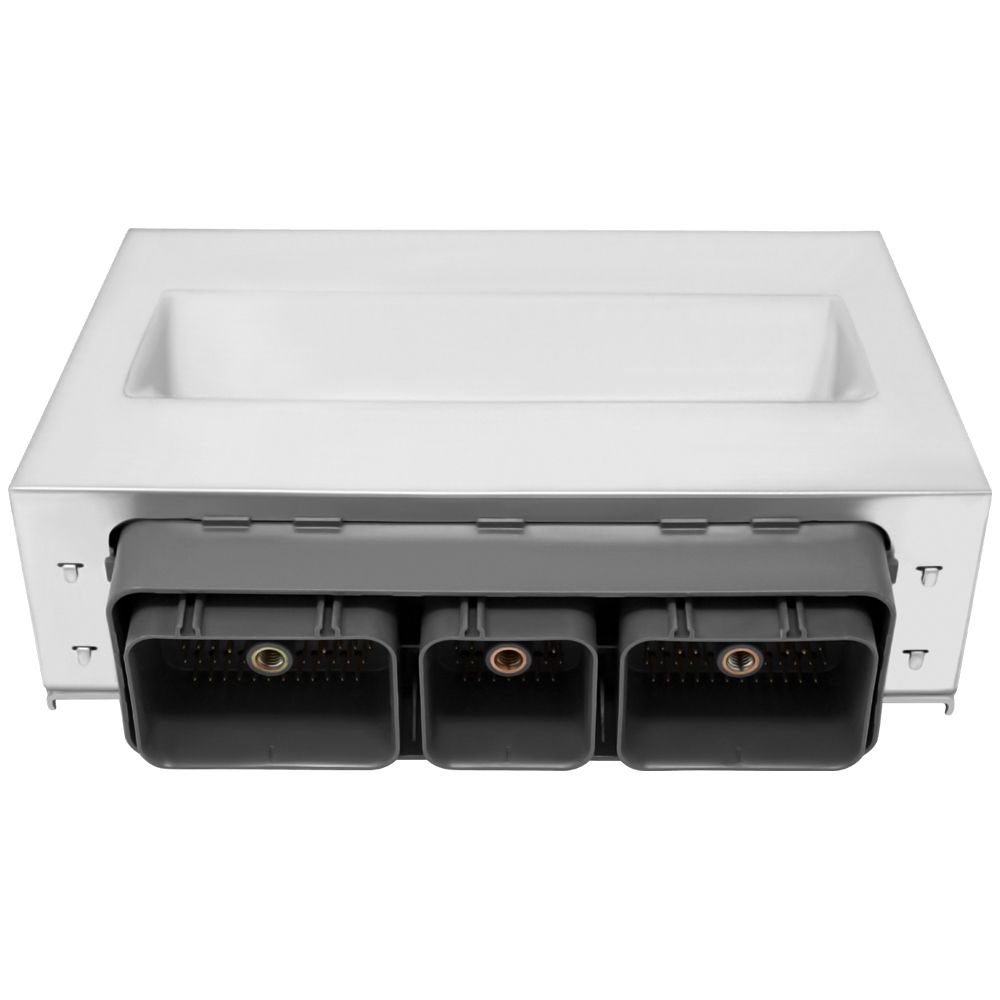
Flagship One stocks a refurbished, VIN-programmed PCM for the 2004 Ford Thunderbird with a lifetime warranty, free shipping and no core charge. The full Ford Thunderbird module lineup covers other engine configurations as well.
The 2004 Ford Thunderbird’s PCM and ECM are vital to reliable performance. Whether you opt for repair or a refurbished unit, addressing the issue promptly helps maintain drivability and fuel efficiency. Consider a VIN‑programmed replacement for a streamlined solution.