
Last updated on August 25th, 2026 at 01:36 pm
The powertrain control module (PCM) in your 2003 Ford Windstar is the vehicle’s central computer, managing fuel delivery, ignition timing, and emissions systems. Failures may cause erratic engine behavior, stalling, or stored trouble codes like P0171 or P0174.
If your 2003 Ford Windstar with the 3.8L engine has been running poorly—stalling, hesitating, or throwing a check engine light—it may be time to consider the powertrain control module (PCM). This small but critical computer manages everything from fuel injection to ignition timing, ensuring smooth operation. When it fails, symptoms can range from subtle drivability issues to complete no-start conditions. Replacing the PCM isn’t just about swapping a part; it involves careful installation and, in most cases, programming to match your vehicle’s specific configuration. Understanding what the PCM does, where it’s located, and what to expect during replacement can help you make informed decisions. Whether you’re diagnosing an existing problem or planning ahead, knowing the facts about this module will save you time and frustration.
The powertrain control module (PCM) in your 2003 Ford Windstar is the brain behind the engine and transmission. It constantly monitors sensors for data like air intake, engine temperature, and throttle position, then adjusts fuel delivery and ignition timing to keep the engine running efficiently. This module also controls emissions systems, ensuring your vehicle meets regulatory standards. Without a properly functioning PCM, your Windstar may struggle with poor fuel economy, rough idling, or even fail to start. The PCM is particularly important in the 3.8L engine because of its role in managing the variable intake system, which optimizes airflow for better performance. If the module fails, you might notice symptoms like hesitation under acceleration or an illuminated check engine light. Replacing it involves more than just installing a new unit; it requires replacement engine computers for the Windstar to ensure compatibility and proper function. The PCM’s location and design make it vulnerable to heat and electrical issues, so addressing problems early can prevent more serious damage.
2003 Ford Windstar 3.8L: When the
OEM programmed replacements — plug & play, no dealer visit.
Find yours by year, make & model →
Free shipping · Lifetime warranty
The PCM in your 2003 Ford Windstar is located inside the passenger compartment, typically mounted behind the dashboard near the glove box. Accessing it requires removing interior trim panels, which adds to the labor time. According to factory estimates, replacing the PCM takes about 1.1 hours, assuming no additional complications like corroded connectors or damaged wiring. Once the old module is removed, the new unit is installed in the same location and secured with mounting bolts. It’s important to ensure all electrical connections are clean and properly seated to avoid future issues. While the physical replacement is straightforward, the real work comes after installation, when the module must be programmed to recognize your vehicle’s specific configuration.
Work with the ignition off, and treat the module as static-sensitive: avoid touching the connector pins at any point.
| Operation | Configuration | Book Time |
|---|---|---|
| Engine Control Module R&R | All configurations | 1.1 hr |
| Powertrain Control System Diagnosis & Testing | All configurations | 0.5 hr |
After replacing the PCM in your 2003 Ford Windstar, the factory procedure requires programming the new module to match your vehicle’s VIN and configuration. This step ensures the computer recognizes the engine, transmission, and emissions systems specific to your Windstar. Without proper programming, the vehicle may not start or could run poorly. The process typically involves using specialized diagnostic equipment to load the correct software and calibrations. However, if you install a VIN-programmed replacement unit, this step is already completed for you. The module arrives ready to plug in and drive, saving you time and potential headaches at the repair shop. This is particularly useful for the 3.8L engine, where precise fuel and ignition timing are critical for smooth operation.
When the PCM in your 2003 Ford Windstar begins to fail, you may notice a range of symptoms that can affect drivability and performance. One of the most common signs is an illuminated check engine light, often accompanied by trouble codes like P0171 or P0174, which indicate a lean fuel condition. You might also experience rough idling, hesitation during acceleration, or stalling, especially when the engine is warm. In some cases, the vehicle may fail to start at all, or the engine may run erratically, misfiring under load. Another telltale sign is poor fuel economy, as the PCM struggles to optimize fuel delivery. If the module’s communication with the scan tool is lost, you may see a memory integrity fault stored in the system. These symptoms can be intermittent at first, making diagnosis tricky, but they often worsen over time. Addressing them early can prevent more serious issues, such as catalytic converter damage or transmission shifting problems, which can occur if the PCM fails to manage engine and drivetrain functions properly.
Ford issued a service bulletin (TSB 03-16-01) addressing diagnostic trouble codes P0171 and P0174 in the 2003 Windstar with the 3.8L engine. These codes indicate a lean fuel condition, which can cause drivability issues like rough idling, hesitation, or stalling. The bulletin provides diagnostic steps to identify the root cause, which may include vacuum leaks, faulty sensors, or PCM-related issues. If your Windstar is experiencing these symptoms, following the bulletin’s guidance can help determine whether the PCM is the culprit or if another component is to blame.
| Bulletin | Subject | What It Addresses |
|---|---|---|
| 03-16-01 | DIAGNOSTIC TROUBLE CODES (DTCS) P0171/P0174 STORED IN MEMORY – DRIVEABILITY – MALFUNCTION INDIC | — |
Stalling in warm conditions is often linked to the PCM’s inability to manage fuel delivery or ignition timing correctly. The 3.8L engine is particularly sensitive to lean conditions, which can trigger codes like P0171 or P0174. A failing PCM may struggle to adjust for temperature changes, leading to stalling. Diagnosing the issue with a scan tool can help determine if the PCM is the root cause.
While the vehicle may still run with a P0171 code, driving it for extended periods can lead to further damage. A lean fuel condition can cause misfires, overheating of the catalytic converter, or even engine damage if left unaddressed. It’s best to diagnose and repair the issue as soon as possible to avoid costly repairs down the line.
Distinguishing between a faulty PCM and a sensor issue can be challenging. Start by checking for trouble codes, as the PCM often stores specific faults like P0601 or communication errors. If multiple sensors are failing or the vehicle exhibits erratic behavior that doesn’t align with a single sensor, the PCM may be the problem. A professional diagnostic scan can help isolate the issue.
A replacement PCM that isn’t programmed to your vehicle’s VIN and configuration will not function correctly. The engine may not start, or it may run poorly with symptoms like misfires, stalling, or poor fuel economy. Factory programming ensures the PCM recognizes all vehicle-specific parameters, including engine and transmission calibrations.
Replacing the PCM in a high-mileage Windstar can be worthwhile if the vehicle is otherwise in good condition. A new or refurbished module can restore drivability and prevent further issues, especially if the current PCM is causing stalling, misfires, or other performance problems. However, it’s important to weigh the cost against the vehicle’s overall value and condition.
If your 2003 Ford Windstar is experiencing PCM-related issues, you have options for replacement. A new or refurbished module can restore proper engine function, but it’s important to choose one that’s compatible with your vehicle. Factory programming is required for most replacements, but pre-programmed units eliminate this step, allowing for a quicker and smoother installation. Consider your vehicle’s overall condition and whether addressing the PCM will resolve your drivability concerns before moving forward.
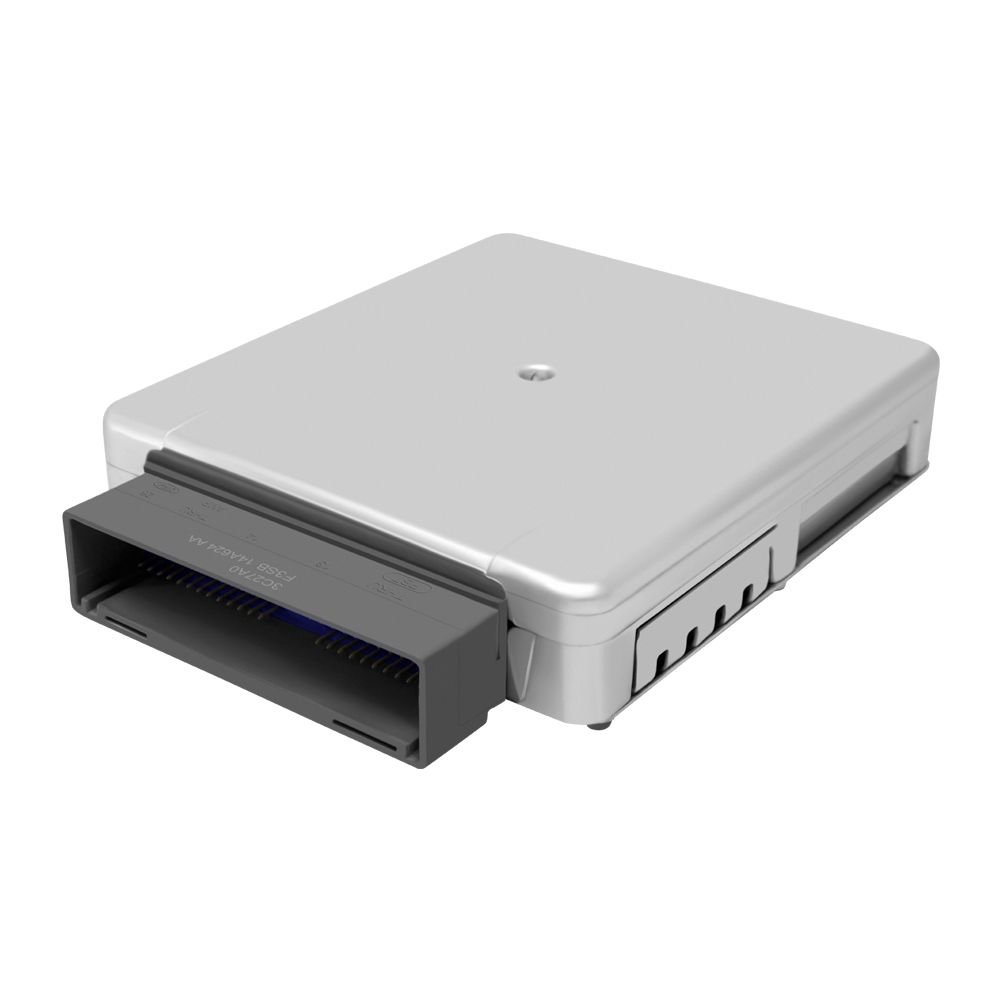
Flagship One stocks a refurbished, VIN-programmed PCM for the 2003 Ford Windstar with a lifetime warranty, free shipping and no core charge. The full Ford Windstar module lineup covers other engine configurations as well.
The powertrain control module in your 2003 Ford Windstar plays a critical role in keeping the engine running smoothly. When it fails, symptoms like stalling, misfires, or trouble codes can disrupt your driving experience. Replacing the PCM is a straightforward process, but it requires careful installation and programming to ensure proper function. By understanding the module’s role, location, and common failure symptoms, you can make informed decisions about repairs and keep your Windstar running reliably for years to come.