
Last updated on August 25th, 2026 at 01:37 pm
In the 2000 Ford Windstar the Engine Control Module (ECM) manages fuel delivery, ignition timing and emission controls. A failure typically results from internal circuit degradation or water intrusion, causing the computer to send lean‑condition trouble codes and illuminate the malfunction indicator lamp.
When a 2000 Ford Windstar begins to store lean‑condition trouble codes or the check engine light stays on, the underlying issue often traces back to the Engine Control Module. This guide walks you through what the ECM does in this specific vehicle, where it lives, how much labor is typically required to replace it, and what factory procedures must follow a swap. By the end, you’ll understand the diagnostic clues, the scope of the repair, and why a VIN‑programmed replacement from Flagship One can simplify the process while keeping your van running reliably.
The Engine Control Module in the 2000 Ford Windstar with the 3.8L V6 serves as the brain that continuously monitors sensor inputs, calculates the optimal fuel‑air mixture, and commands the injectors, ignition coils and emission devices. It also communicates with the transmission controller to ensure smooth shifting. Because the module directly influences fuel economy, emissions compliance and drivability, any internal fault can quickly manifest as performance problems. Proper operation of the ECM is essential for maintaining the vehicle’s warranty‑required emissions standards and for preventing fuel‑system damage. Understanding its role helps you appreciate why a malfunction often triggers multiple diagnostic trouble codes. For owners seeking a new unit, the market offers several replacement engine control modules for the 2000 Ford Windstar that meet factory specifications.
2000 Ford Windstar
OEM programmed ECM for your 2000 Ford Windstar — plug & play, no dealer visit.
Free shipping · Lifetime warranty
The ECM for the 2000 Ford Windstar’s 3.8L engine is mounted in the engine compartment, typically secured to the firewall near the intake manifold. Access usually involves disconnecting the negative battery cable, removing a few protective covers, and unplugging the main harness. The labor guide lists the removal and reinstall time as 1.1 hours for the 3.8L version, reflecting the steps needed to reach the module and re‑torque any mounting bolts to factory specifications. After the old unit is extracted, the replacement is positioned, fastened, and the electrical connectors are re‑engaged before re‑installing any covers that were removed.
Work with the ignition off, and treat the module as static-sensitive: avoid touching the connector pins at any point.
| Operation | Configuration | Book Time |
|---|---|---|
| Engine Control Module R&R | 3.0L | 0.7 hr |
| Engine Control Module R&R | 3.8L | 1.1 hr |
| Powertrain Control System Diagnosis & Testing | All configurations | 0.5 hr |
Once the ECM is physically installed, the factory procedure calls for a VIN‑specific flash to load calibration data and verify communication with the vehicle’s networks. Flagship One units arrive already programmed to match your vehicle’s identification, so the required flash step is effectively completed before the part reaches your shop. This means the technician can focus on confirming proper connector seating and running a brief verification test rather than performing a full re‑programming cycle. The VIN‑programmed replacement unit eliminates the need for a separate dealer‑only coding session, reducing shop time and the chance of a mismatched software version.
Every VIN-programmed replacement unit from Flagship One arrives with these steps already completed.
Owners of a 2000 Ford Windstar may notice a variety of signs when the ECM begins to fail. Common complaints include rough idle, hesitation on acceleration, and a persistent check engine light. Lean‑condition trouble codes such as P0171 often appear, indicating the engine control module is detecting too much air in the mixture. In some cases, the vehicle may experience stalling or poor fuel economy, and the scan tool may lose communication with the module entirely. When the ECM cannot process sensor data correctly, the transmission may also shift harshly, reflecting the loss of coordinated control between the two computers. A typical diagnostic pattern includes the lean‑condition code P0171 stored in memory alongside related performance symptoms.
Service bulletin 03-16-01 (TSB 03-16-01) addresses the storage of lean‑condition codes P0171 and P0174 in the memory of 2000 Ford Windstar vans equipped with the 3.8L engine. The bulletin advises technicians to verify the integrity of the intake air system, inspect the ECM for water intrusion, and re‑flash the module if necessary. Following these steps helps ensure that the codes are cleared and the vehicle returns to normal operation.
| Bulletin | Subject | What It Addresses |
|---|---|---|
| 03-16-01 | DIAGNOSTIC TROUBLE CODES (DTCS) P0171/P0174 STORED IN MEMORY – DRIVEABILITY – MALFUNCTION INDIC | — |
The labor guide estimates about 1.1 hours for removal and installation of the 3.8L engine control module, plus an additional 0.5 hours for powertrain system diagnosis and testing.
Yes, because the ECM shares data with the transmission controller, a malfunction can lead to harsh or delayed shifts, especially if sensor signals are lost or misinterpreted.
Factory programming requires a VIN‑specific flash, but Flagship One replacement units arrive pre‑programmed, eliminating the need for dealer‑only tools.
While the MIL is a common sign, you may also notice rough idle, stalling, or loss of scan‑tool communication even if the light is not steady.
The bulletin guides technicians to check the intake system, inspect the module for moisture, and re‑flash the ECM if the lean codes persist, providing a structured approach to resolution.
When the ECM in your 2000 Ford Windstar needs attention, you can choose between a repaired unit and a refurbished replacement. Both options restore the vehicle’s engine management functions, but a Flagship One refurbished module arrives VIN‑programmed, simplifying the post‑install steps and helping you get back on the road faster.
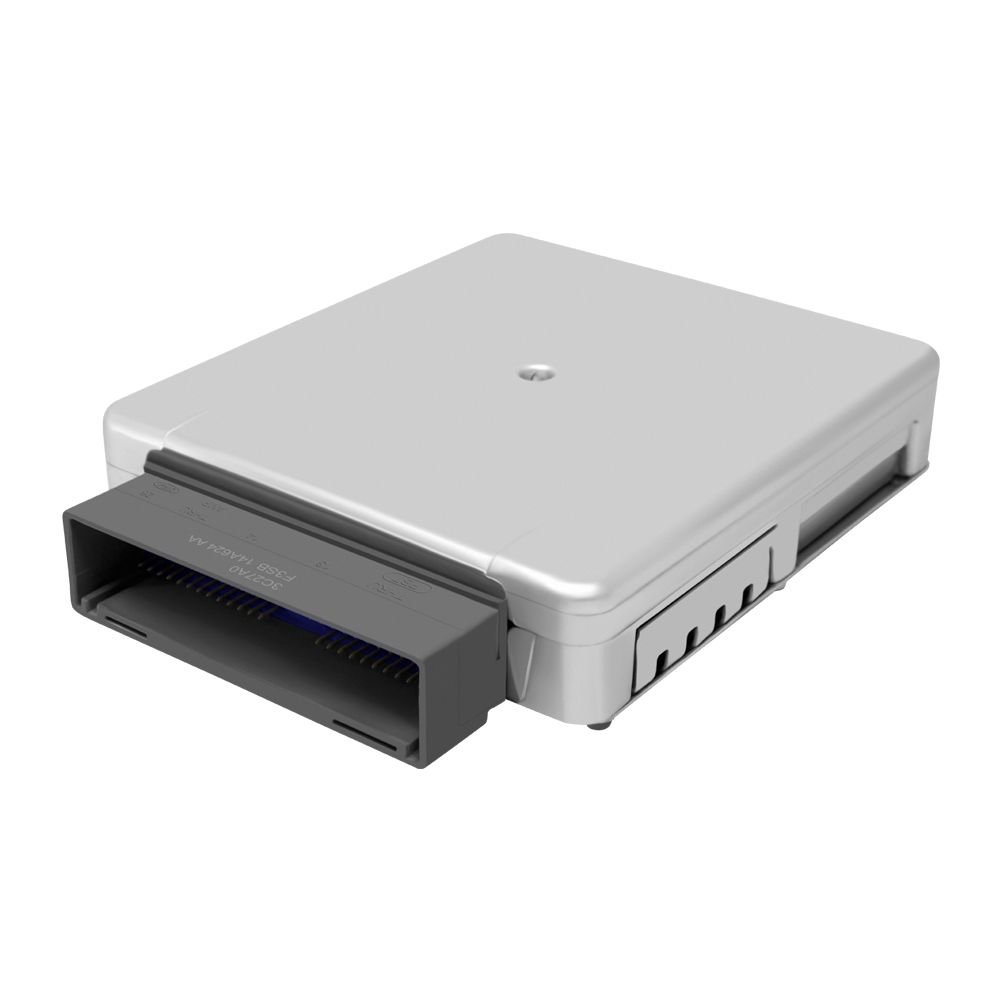
Flagship One stocks a refurbished, VIN-programmed PCM for the 2000 Ford Windstar with a lifetime warranty, free shipping and no core charge. The full Ford Windstar module lineup covers other engine configurations as well.
Replacing the Engine Control Module in a 2000 Ford Windstar can resolve lean‑condition codes, MIL illumination, and drivability issues. Consider a VIN‑programmed replacement to reduce shop time and ensure proper calibration, and keep your van performing reliably for years to come.