
Last updated on August 25th, 2026 at 01:36 pm
The powertrain control module (PCM) in your 2003 Ford Thunderbird manages engine and transmission functions. Failure may lead to stalling, poor performance, or a no-start condition, often triggered by electrical issues or internal faults.
If your 2003 Ford Thunderbird is experiencing unexplained stalling, rough idling, or a refusal to start, the powertrain control module (PCM) may be at fault. This critical component acts as the brain of your vehicle’s engine and transmission, coordinating everything from fuel delivery to shift timing. When it fails, symptoms can range from subtle performance issues to complete immobilization. Replacing the PCM isn’t just about swapping a part—it involves precise labor steps and often a relearn procedure to ensure the new module syncs with your Thunderbird’s systems. Understanding the process helps you make informed decisions, whether you’re tackling the job yourself or working with a mechanic. This guide covers what the PCM does, where it’s located, how replacement works, and why choosing the right replacement unit matters for your vehicle’s reliability.
2003 Ford Thunderbird
OEM programmed ECM for your 2003 Ford Thunderbird — plug & play, no dealer visit.
Free shipping · Lifetime warranty
The powertrain control module (PCM) in your 2003 Ford Thunderbird is a combined engine control module (ECM) and transmission control module (TCM). It processes data from sensors throughout the vehicle to optimize fuel injection, ignition timing, and transmission shifts. For example, it adjusts the air-fuel mixture based on oxygen sensor readings to maintain efficiency and reduce emissions. The PCM also monitors the transmission’s hydraulic pressure and shift solenoids to ensure smooth gear changes. When the module fails, your Thunderbird may experience erratic shifting, poor acceleration, or even a no-start condition. Because the PCM integrates so many functions, a malfunction can trigger a cascade of issues, often logged as trouble codes. If you’re considering a replacement, replacement engine computers for the Thunderbird are designed to restore full functionality without the need for extensive reprogramming, provided they’re matched to your vehicle’s specifications.
In the 2003 Ford Thunderbird, the powertrain control module is mounted on the passenger-side firewall, near the strut tower. Accessing it requires removing the air intake duct and possibly the battery tray to create enough clearance for the electrical connectors. The replacement process involves disconnecting the negative battery cable first to prevent electrical shorts. Once the old module is unbolted, the new unit can be installed in its place. The factory labor time for removing and reinstalling the PCM is 1.4 hours. After installation, the module must be relearned to the vehicle’s systems, which typically adds another 0.5 hours of labor. Torque specifications for the mounting bolts are critical to avoid damaging the module or causing poor electrical contact, though exact values aren’t always published in standard labor guides.
| Operation | Configuration | Book Time |
|---|---|---|
| Powertrain Control Module R&R | All configurations | 1.4 hr |
| Powertrain Control Module Relearn | All configurations | 0.5 hr |
| Engine Control Module Relearn | All configurations | 0.5 hr |
| Engine Control Module R&R | All configurations | 1.4 hr |
After replacing the powertrain control module in your 2003 Ford Thunderbird, the factory procedure requires a relearn process to synchronize the new unit with the vehicle’s sensors and systems. This typically involves using a scan tool to reset adaptive values and may include a drive cycle to allow the PCM to recalibrate. The labor time for this step is usually 0.5 hours. However, if you install a VIN-programmed replacement unit, these steps are already completed at the factory, saving you time and potential headaches. This pre-programming ensures the module is ready to communicate with your Thunderbird’s engine and transmission immediately after installation, reducing the risk of post-installation issues like poor shifting or erratic idle. Always verify that the replacement unit matches your vehicle’s exact specifications to avoid compatibility problems.
A failing powertrain control module in your 2003 Ford Thunderbird can manifest in several ways, often mimicking other mechanical or electrical issues. One of the most common signs is a no-start condition, where the engine cranks but refuses to fire. Stalling at idle or during acceleration is another frequent symptom, often accompanied by rough running or misfires. You may also notice the transmission shifting erratically or failing to engage gears smoothly, as the PCM controls both engine and transmission functions. Onboard diagnostics may log codes related to sensor performance or internal module faults, such as an internal control module memory checksum error. Other indicators include poor fuel economy, illuminated check engine lights, or even a complete loss of communication with a scan tool. If your Thunderbird exhibits multiple symptoms simultaneously, the PCM is a likely culprit, especially if other components like sensors or wiring have been ruled out.
Common signs include a no-start condition, stalling, rough idling, or erratic transmission shifts. If your vehicle logs trouble codes related to sensor performance or internal module faults, the PCM may be failing. A scan tool can help confirm the issue by checking for communication errors with the module.
Replacing the PCM is possible if you’re comfortable working with electrical components and have basic tools. The module is located on the passenger-side firewall, and the process involves disconnecting the battery, removing the air intake duct, and swapping the unit. However, a relearn procedure is required afterward, which may need a scan tool.
Stalling after a PCM replacement often indicates a failed relearn procedure. The new module must synchronize with the vehicle’s sensors and adaptive values, which typically requires a scan tool and a drive cycle. If the module wasn’t properly programmed or relearned, the engine may run poorly or stall.
Yes, the factory procedure requires a relearn process after installation to ensure the new PCM communicates correctly with the vehicle’s systems. However, if you install a pre-programmed replacement unit, this step is already completed, saving you time and effort.
PCM failure can result from electrical issues like voltage spikes, corrosion in connectors, or moisture intrusion. Over time, heat and vibration may also degrade internal components. Addressing charging system problems and maintaining clean electrical connections can help prolong the module’s lifespan.
If your 2003 Ford Thunderbird is showing signs of PCM failure, you have options for replacement. A new OEM module may require dealer programming and higher costs, while a refurbished or aftermarket unit can offer a cost-effective alternative. For Thunderbird owners, choosing a pre-programmed replacement eliminates the need for post-installation relearn procedures, ensuring a smoother and quicker repair. Consider your budget and the urgency of the repair when deciding between a dealer visit or a DIY-friendly solution.
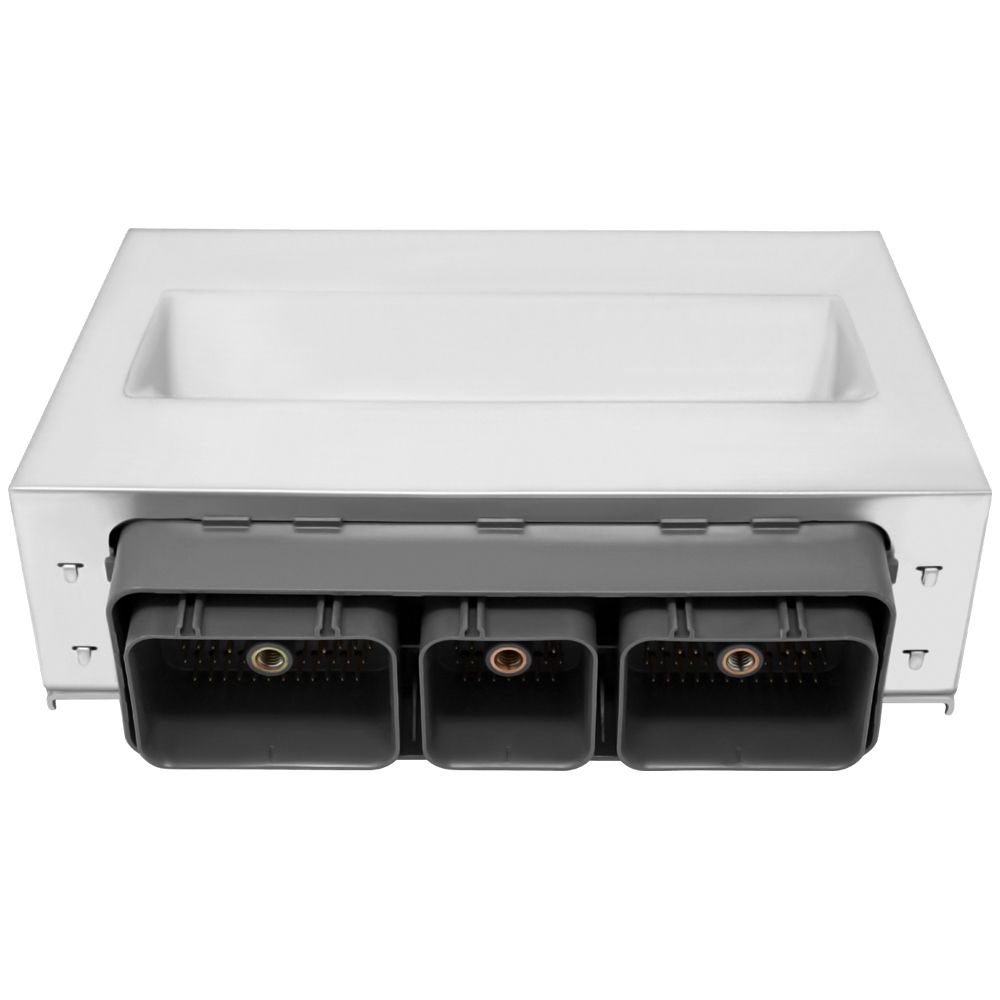
Flagship One stocks a refurbished, VIN-programmed PCM for the 2003 Ford Thunderbird with a lifetime warranty, free shipping and no core charge. The full Ford Thunderbird module lineup covers other engine configurations as well.
The powertrain control module is a critical component in your 2003 Ford Thunderbird, managing everything from fuel delivery to transmission shifts. If you’re experiencing stalling, misfires, or a no-start condition, a faulty PCM may be the cause. Replacing it involves careful installation and a relearn procedure, but opting for a pre-programmed unit can simplify the process. Regular maintenance and prompt attention to electrical issues can help prevent future failures, keeping your Thunderbird running smoothly.