
Last updated on August 25th, 2026 at 01:38 pm
The Powertrain Control Module on your 1998 Ford Windstar serves as the central computer managing engine and transmission functions. Failure often stems from heat cycling, voltage spikes, or internal component degradation, leading to drivability complaints and illuminated warning lamps.
When your 1998 Ford Windstar with the 3.0L V6 develops drivability problems, the Powertrain Control Module often enters the diagnostic conversation. This onboard computer governs critical engine and transmission operations, making it essential for proper vehicle function. Understanding the replacement process, associated labor times, and reprogramming requirements helps you evaluate repair options intelligently.
Your Windstar’s PCM receives data from numerous sensors throughout the engine and transmission, using this information to calibrate fuel delivery, ignition timing, and transmission shift points. When the module fails, symptoms range from subtle performance changes to complete vehicle disablement. The repair process involves not only physical removal and installation but also a mandatory programming sequence that must be completed after the new module is seated.
This guide walks through the specific considerations for your 1998 Windstar, including the documented factory labor times, programming requirements from Ford service bulletins, and practical steps toward resolution. Whether you are diagnosing an intermittent issue or confirming a suspected module failure, the information here supports informed decision-making.
The Powertrain Control Module in your 1998 Ford Windstar 3.0L functions as the primary electronic brain managing your vehicle’s powertrain operations. This device, often called the PCM or engine computer, continuously monitors engine parameters through inputs from the mass airflow sensor, oxygen sensors, throttle position sensor, and numerous other measuring devices scattered throughout the engine bay and transmission housing. Based on this incoming data, your Windstar’s module calculates and outputs commands controlling fuel injector pulse width, spark advance, idle air control, and transmission shift scheduling.
The 1998 model year marks an important point in Ford’s OBD-II implementation, with your vehicle utilizing the EEC V processor architecture. This generation of control modules introduced more sophisticated monitoring capabilities compared to earlier systems, enabling tighter emissions control and improved driveability management. The module operates within your Windstar’s network, communicating with the instrument cluster, anti-lock braking system, and other controllers as needed.
Because this computer processes real-time data to manage combustion events occurring thousands of times per minute, it operates in a thermally challenging environment. Heat generated by the engine, combined with electrical stress from charging and starting cycles, gradually affects internal circuitry over time. The module also faces exposure to voltage irregularities from jump starts, weak battery conditions, and alternator fluctuations. These stressors contribute to the gradual degradation that eventually manifests as failure symptoms. Replacement engine computers for the Windstar must be programmed to match your specific vehicle’s VIN, mileage, and installed powertrain calibrations before they can assume control of your engine and transmission operations.
Flagship One keeps Ford Windstar replacement engine computers in stock for exactly this failure pattern.
1998 Ford Windstar
OEM programmed ECM for your 1998 Ford Windstar — plug & play, no dealer visit.
Free shipping · Lifetime warranty
Locating the Powertrain Control Module on your 1998 Ford Windstar requires understanding its mounting position and the surrounding components. Ford positioned this module in an area that provides reasonable access while offering some thermal protection from direct engine heat. The physical removal process involves disconnecting the battery negative terminal first, then accessing the module’s electrical harness connector before releasing any mounting fasteners securing the housing.
The replacement procedure for the 3.0L engine carries a book time of 0.7 hours according to factory labor guides. This time reflects the relatively accessible mounting location compared to the 3.8L variant, which requires 1.1 hours due to packaging differences in the engine bay. Your technician will need to carefully disconnect the wiring harness, transfer any vehicle-specific brackets or shields, and ensure the replacement module seats properly in its mount.
After physically installing the new module, your technician should verify all electrical connections are secure and the harness connector is fully seated with no damaged pins. The battery reconnection should follow proper sequence, and the vehicle may require a brief initialization period before the new module activates all systems. Any additional diagnosis time, such as the separate 0.5-hour powertrain control system testing procedure, would be added if the initial concern requires confirmation before proceeding with replacement.
Work with the ignition off, and treat the module as static-sensitive: avoid touching the connector pins at any point.
| Operation | Configuration | Book Time |
|---|---|---|
| Engine Control Module R&R | 3.0L | 0.7 hr |
| Engine Control Module R&R | 3.8L | 1.1 hr |
| Powertrain Control System Diagnosis & Testing | All configurations | 0.5 hr |
Ford’s factory service procedure for your 1998 Windstar requires out-of-vehicle reprogramming of replacement control modules. This process utilizes specialized diagnostic equipment connected through an oversized programming connector that includes an 18-volt transformer. This transformer supplies the elevated voltage necessary to successfully write calibration data to the module’s memory. The procedure cannot be performed with standard scan tools or generic programming equipment.
The reprogramming step is mandatory following any replacement PCM installation on EEC V vehicles like your Windstar. Your technician must input vehicle-specific information including the VIN, current mileage, and installed powertrain specifications before the calibration files transfer. Only after this programming sequence completes can the new module assume control of engine and transmission operations.
Units sourced from Flagship One arrive pre-programmed with your specific vehicle’s VIN and calibration data, which means the factory reprogramming steps have already been completed before the module reaches you. This eliminates the need to schedule programming appointments or handle the 18-volt programming tool on your end, as the module arrives ready for installation and basic initialization procedures.
Every VIN-programmed replacement unit from Flagship One arrives with these steps already completed.
Powertrain Control Module failures on the 1998 Windstar 3.0L typically announce themselves through several recognizable patterns. Your vehicle may develop hard-starting conditions where the engine cranks normally but fails to fire, or it might start and then stall immediately once the brief startup enrichment cycle concludes. These symptoms occur because the failed module cannot properly command fuel injector operation or maintain adequate idle air control.
Drivability complaints often manifest as stumbling during acceleration, hesitation on throttle input, or broader surging patterns that make steady-speed cruising difficult. You might also notice the check engine lamp illuminated, with stored trouble codes pointing toward multiple system faults that appear unrelated to each other. This scattergun code pattern sometimes indicates a common supplier failure—the module itself—rather than multiple simultaneous sensor or actuator problems.
Communication failures represent another failure mode where your scan tool cannot establish contact with the PCM, preventing diagnostic access entirely. In these cases, the module may have lost internal processing capability or suffered damage to its controller area network circuitry. Transmission shifting problems also occur, as the PCM coordinates shift scheduling and torque converter clutch engagement. You might experience harsh shifts, failure to shift into higher gears, or the transmission staying in a default fail-safe pattern.
Ford has published factory service bulletins addressing powertrain control module service for your 1998 Windstar. Technical Service Bulletin 98-03-16 provides guidance on matching the correct PCM with appropriate calibrations and catalyst assemblies, helping technicians ensure compatibility when ordering replacement modules. This bulletin addresses situations where mismatched components can cause drivability or emissions concerns.
Technical Service Bulletin 99-04-03 covers the specific reprogramming procedure for EEC V vehicles like your Windstar, detailing the out-of-vehicle programming process. This bulletin emphasizes the specialized equipment requirements and proper procedures needed to successfully program replacement modules. Both bulletins remain relevant for technicians and vehicle owners evaluating repair options for 1998 Windstar powertrain control module concerns.
| Bulletin | Subject | What It Addresses |
|---|---|---|
| 98-03-16 | CALIBRATIONS VS. PCM VS. CATALYST ASSEMBLIES – POWERTRAIN CONTROL MODULE (PCM) – SERVICE TIP | — |
| 99-04-03 | EEC V VEHICLES ONLY – OUT-OF-VEHICLE – REPROGRAMMING POWERTRAIN CONTROL MODULES (PCMS) | — |
Diagnosing PCM failure on your Windstar requires systematic testing of sensors and actuators while monitoring module communication. If multiple unrelated codes appear simultaneously, if communication with the module fails entirely, or if component testing reveals no faults yet symptoms persist, the module itself often bears responsibility. A professional diagnosis can isolate the issue before committing to replacement costs.
A used module would require reprogramming to your specific VIN and mileage before functioning in your vehicle. Additionally, used units carry unknown history and remaining service life, making them riskier than new or professionally refurbished replacements. The factory programming procedure involves equipment and access that may be difficult to arrange outside a dealership setting.
Without proper reprogramming, your replacement module will not operate your engine. The PCM must receive calibration files matching your specific powertrain configuration, VIN, and mileage data. An unprogrammed module typically will not communicate with the rest of the vehicle’s network or enable critical engine functions.
The physical replacement process for the 3.0L engine carries a 0.7-hour book time according to factory labor guides. Additional time may be required for diagnosis if the failure has not been confirmed, with powertrain control system testing adding another 0.5 hours. If factory reprogramming is needed, expect additional time for that procedure.
Multiple factors contribute to control module failures in these vehicles. Heat cycling from normal engine operation gradually degrades internal components over time. Voltage stress from charging system irregularities, jump starts, or weak battery conditions compounds thermal damage. Manufacturing defects, moisture intrusion through connector seals, and physical impact damage also claim modules. Most failures represent cumulative stress rather than single-event causes.
Evaluating repair options for your 1998 Ford Windstar means weighing diagnostic costs, parts quality, and programming requirements. A professional diagnosis confirms whether the PCM requires replacement or if related components bear responsibility for your symptoms. If module replacement becomes necessary, you face a choice between new, refurbished, or salvage-sourced units, each with different programming requirements and reliability expectations. Flagship One provides VIN-programmed replacement modules that eliminate the factory programming step, reducing installation complexity and getting your Windstar back on the road more efficiently.
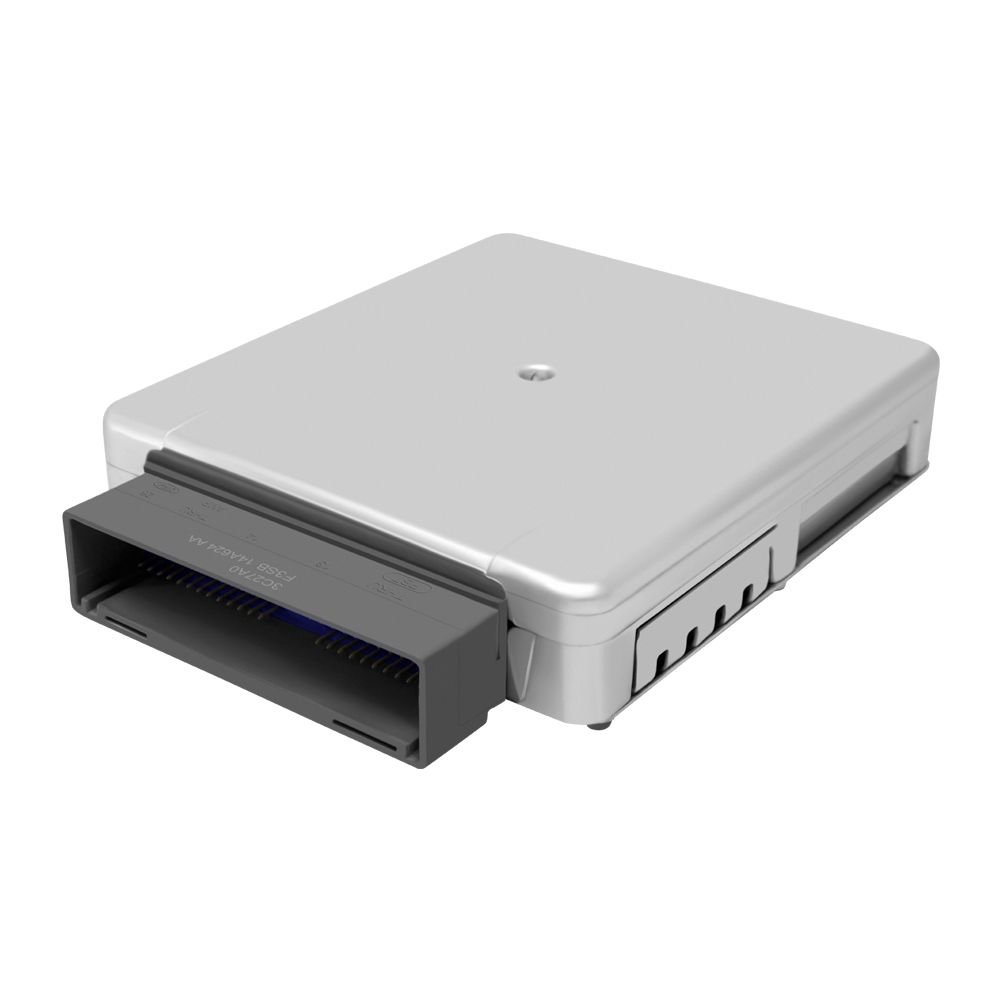
Flagship One stocks a refurbished, VIN-programmed PCM for the 1998 Ford Windstar with a lifetime warranty, free shipping and no core charge. The full Ford Windstar module lineup covers other engine configurations as well.
The Powertrain Control Module on your 1998 Ford Windstar 3.0L represents a critical component managing your vehicle’s powertrain operations. Understanding the replacement labor times, mandatory programming requirements, and common failure patterns prepares you for informed discussions with your technician. Whether you pursue diagnosis to confirm the module as the culprit or seek a pre-programmed replacement unit, knowing what the process involves removes uncertainty from your repair decision.