
Last updated on August 25th, 2026 at 01:38 pm
The Engine Control Module (ECM) in your 1997 Ford Windstar serves as the central computer managing the 3.0L V6 engine’s fuel injection, ignition timing and emissions systems. Module failure typically stems from voltage spikes, heat exposure or connector corrosion, leading to drivability problems that may leave your vehicle inoperable.
The Engine Control Module in your 1997 Ford Windstar represents the brain of the vehicle’s powertrain system. When this critical component fails or develops internal faults, you may experience a range of drivability issues that can affect everything from engine starting to transmission shifting. Understanding what the PCM does, where it is located, and what the replacement process involves will help you make informed decisions about your repair options. This guide addresses the specific considerations for the 1997 Windstar equipped with the 3.0L V6 engine, including the factory-recommended programming procedures and the practical advantages of choosing a pre-programmed replacement unit. Whether you are diagnosing a no-start condition or planning a preventive replacement, the information here will equip you with the knowledge needed to navigate this repair confidently.
The Powertrain Control Module in your 1997 Ford Windstar functions as the central nervous system for the vehicle’s powertrain. This computer receives input from dozens of sensors throughout the engine and transmission, processing this data in real time to adjust fuel delivery, ignition timing, and transmission shift points for optimal performance. For the 3.0L V6 engine in your Windstar, the PCM calculates air-fuel ratios, monitors oxygen sensors for emissions compliance, and coordinates with the automatic transmission control system to deliver smooth power delivery.
Why this matters: The module makes hundreds of adjustments per second that you never consciously notice, but when it fails, the effects become immediately apparent. Your vehicle may run roughly, stall unexpectedly, or refuse to start altogether. The PCM also stores diagnostic trouble codes that help technicians identify specific problems, making it a valuable tool for troubleshooting when other components malfunction. Replacement engine computers for the Windstar must be programmed to communicate properly with your vehicle’s specific VIN and configuration, which is why the programming step is considered essential rather than optional.
Flagship One keeps Ford Windstar replacement engine computers in stock for exactly this failure pattern.
1997 Ford Windstar
OEM programmed ECM for your 1997 Ford Windstar — plug & play, no dealer visit.
Free shipping · Lifetime warranty
The Engine Control Module on your 1997 Ford Windstar is mounted in the engine compartment, typically on the driver’s side near the firewall. Access requires disconnecting the battery negative terminal first as a safety precaution, followed by removing the module from its mounting bracket. The electrical connector must be carefully disconnected, taking care not to damage the pins during removal.
The replacement process involves reversing these steps with the new module, ensuring the connector seats fully and the mounting hardware is secure. According to labor guide data, the Engine Control Module R&R for the 3.0L engine in this vehicle is estimated at 0.7 hours. An additional 0.5 hours may be required for powertrain control system diagnosis and testing to verify proper operation after installation. The 3.8L variant of this vehicle has a different labor time of 1.1 hours due to differences in module location or access, but your 3.0L Windstar follows the shorter estimate.
Work with the ignition off, and treat the module as static-sensitive: avoid touching the connector pins at any point.
| Operation | Configuration | Book Time |
|---|---|---|
| Engine Control Module R&R | 3.0L | 0.7 hr |
| Engine Control Module R&R | 3.8L | 1.1 hr |
| Powertrain Control System Diagnosis & Testing | All configurations | 0.5 hr |
After installing a new PCM in your 1997 Ford Windstar, the factory service procedure requires specific programming steps to ensure the module functions correctly with your vehicle’s electronics. The procedure involves using an oversized connector that incorporates an 18-volt transformer, which supplies the required voltage to reprogram the PCM. This out-of-vehicle reprogramming method, detailed in Ford technical service bulletin 99-04-03, ensures the module’s software matches your vehicle’s specifications.
Once programming is complete, the vehicle may need to be driven approximately 16 kilometers (10 miles) or more to allow the PCM to relearn fuel trim parameters. This drive cycle allows the module to adjust its calibration based on actual operating conditions. However, when you purchase a replacement unit from Flagship One, the module arrives VIN-programmed with your specific vehicle identification number already configured, which means the programming steps are completed before the unit ships. This pre-programming eliminates the need for you to perform the relearning drive cycle in most cases.
Every VIN-programmed replacement unit from Flagship One arrives with these steps already completed.
When the Engine Control Module in your 1997 Ford Windstar begins to fail or develops internal faults, several symptoms may manifest. A common indication is a no-start condition where the engine cranks but fails to fire, often accompanied by a check engine light that may not illuminate due to the module’s internal failure. Stalling and rough idle represent another frequent complaint, where the vehicle runs poorly at idle or stalls unexpectedly during deceleration. Misfire codes such as P0300 through P0306 may appear when the PCM cannot properly control fuel delivery to individual cylinders.
In some cases, the scan tool may be unable to communicate with the PCM at all, preventing diagnostic code retrieval. Transmission shifting problems may also occur because the PCM coordinates shift points with the transmission control module. The internal processor fault code P0601 specifically indicates a read-only memory error within the PCM, which often necessitates replacement rather than repair. If your Windstar exhibits any of these symptoms, having the module tested by a qualified technician will confirm whether replacement is required.
Ford Technical Service Bulletin 99-04-03 specifically addresses out-of-vehicle reprogramming procedures for Powertrain Control Modules in EEC V vehicles. This bulletin applies to your 1997 Windstar and provides the factory-approved method for updating PCM software using the specialized programming equipment with the 18-volt transformer. The procedure is designed to be performed before the module is installed in the vehicle, ensuring proper voltage supply during the programming sequence. Following this bulletin ensures the PCM receives the correct software calibration for your specific engine combination.
| Bulletin | Subject | What It Addresses |
|---|---|---|
| 99-04-03 | EEC V VEHICLES ONLY – OUT-OF-VEHICLE – REPROGRAMMING POWERTRAIN CONTROL MODULES (PCMS) | — |
A used PCM may physically fit, but it will likely be programmed for a different vehicle and require reprogramming. Additionally, used units carry unknown history and may fail soon. Pre-programmed replacement units arrive ready to install with your specific VIN already configured.
Driving with a malfunctioning PCM is not recommended as it may cause your vehicle to stall unexpectedly or fail to start, potentially leaving you stranded. Additionally, some failures may worsen over time, potentially damaging other components.
The factory procedure typically requires driving 10 miles or more for the PCM to relearn fuel trim. However, Flagship One pre-programmed units often eliminate this requirement since they arrive configured for your specific vehicle.
An improperly programmed PCM may cause drivability issues including poor idle, transmission shifting problems, or the vehicle may not start at all. The check engine light may remain illuminated and diagnostic codes may not clear properly.
A qualified technician can diagnose this by checking for internal fault codes like P0601, verifying communication with the module, and ruling out other potential causes. If the PCM fails internal self-tests, replacement is typically required.
When your 1997 Ford Windstar requires Engine Control Module service, you have two primary paths forward. You may choose to have the module repaired by a specialist who can rebuild certain internal components, or you may opt for a replacement unit that arrives ready to install. The advantage of a pre-programmed replacement from Flagship One is that it arrives configured with your specific VIN, eliminating the need for additional programming steps that would otherwise require dealer-level equipment. Consider your budget, timeline, and access to programming tools when deciding which option best suits your situation.
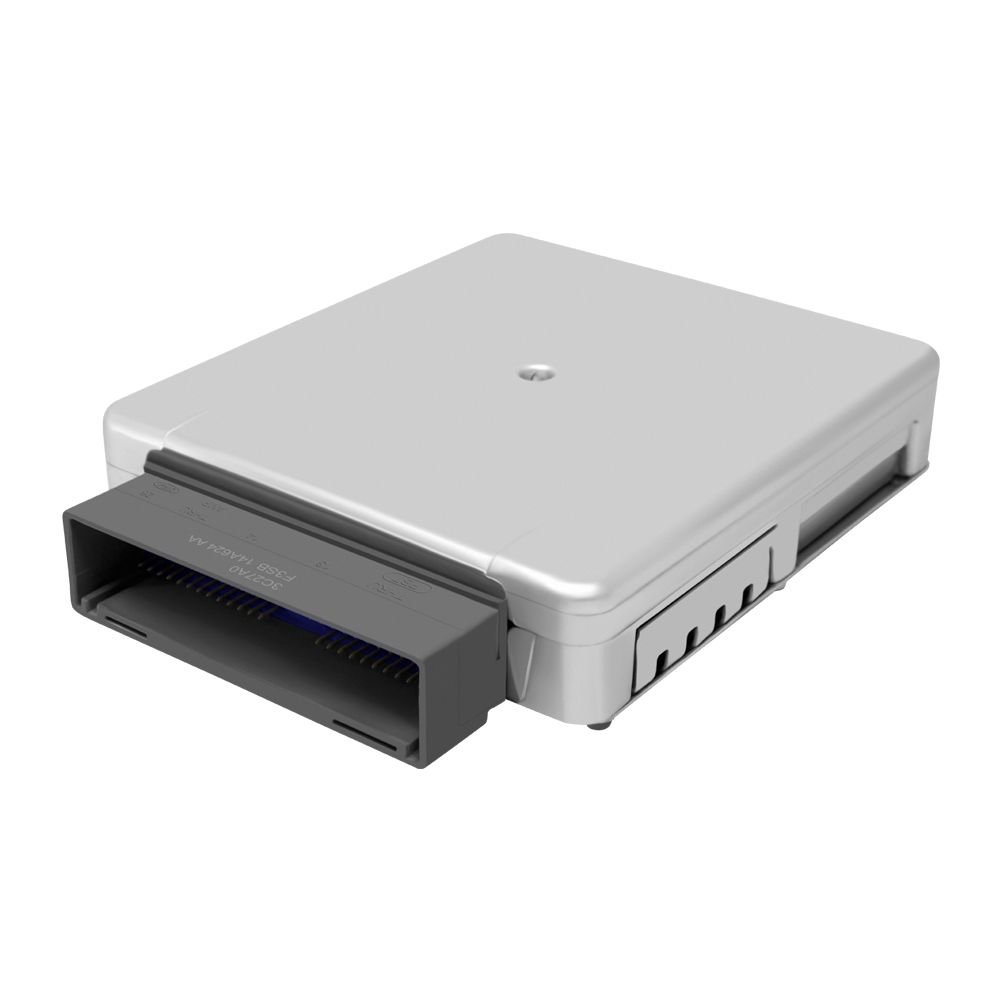
Flagship One stocks a refurbished, VIN-programmed PCM for the 1997 Ford Windstar with a lifetime warranty, free shipping and no core charge. The full Ford Windstar module lineup covers other engine configurations as well.
Replacing the PCM on your 1997 Ford Windstar is a significant repair that restores the vehicle’s ability to manage engine and transmission functions properly. Whether you are dealing with a no-start condition, stalling issues, or diagnostic codes pointing to module failure, addressing the problem promptly helps avoid being stranded. With pre-programmed replacement units available, the repair process has become more straightforward for owners who prefer to handle the replacement without dealer programming appointments.