
Last updated on August 25th, 2026 at 01:38 pm
The Powertrain Control Module in your 1996 Ford Windstar manages engine timing, fuel delivery, and transmission operation based on sensor inputs. When internal circuitry degrades, the module may lose communication with the scan tool or trigger multiple fault codes without external sensor problems. A replacement unit restores proper engine and transmission coordination.
When your 1996 Ford Windstar develops starting problems, stalling, or an illuminated check engine light that persists despite sensor replacements, the Powertrain Control Module may be the culprit. This computer integrates engine management and transmission control functions, processing data from dozens of sensors to optimize performance and emissions. PCM failures on this model year often manifest as intermittent drivability complaints that defy conventional diagnosis. Understanding the replacement process, programming requirements, and recalibration steps empowers you to make informed repair decisions. This guide explains how these modules function in the Windstar, what symptoms point toward control module failure, and what the factory service procedure entails. You’ll also learn why purchasing a pre-programmed replacement from Flagship One can streamline your repair and reduce time spent at the repair facility. Whether you’re evaluating repair versus replacement or simply seeking accurate information, this resource provides the foundation you need.
The Powertrain Control Module in your 1996 Ford Windstar serves as the central nervous system for engine and transmission operation. Mounted in the passenger compartment, this unit continuously monitors parameters including intake air temperature, throttle position, engine speed, and oxygen sensor feedback. Using this data, it calculates optimal fuel injector pulse width, spark advance, and transmission shift points in real time. This integration means a faulty PCM can produce symptoms that mimic sensor failures, including rough idle, poor acceleration, or harsh gear changes.
The module communicates with the scan tool through the J1850 Class 2 data bus, allowing technicians to retrieve stored trouble codes and view live sensor data. When internal processor functions degrade, the module may store codes for conditions that do not exist, fail to communicate entirely, or default to a limp-home mode that reduces performance. Given the comprehensive responsibilities of this controller, its failure affects nearly every aspect of vehicle operation.
You can find replacement engine computers for Windstar models at suppliers that specialize in pre-programmed OEM units. These replacements arrive configured with the specific calibration data your vehicle requires, reducing the need for manual programming after installation.
Flagship One keeps Ford Windstar replacement engine computers in stock for exactly this failure pattern.
1996 Ford Windstar
OEM programmed ECM for your 1996 Ford Windstar — plug & play, no dealer visit.
Free shipping · Lifetime warranty
The Powertrain Control Module on the 1996 Ford Windstar is typically located behind the glove box assembly on the passenger side of the vehicle. Access requires removing the glove box door and any associated trim panels to reach the module’s electrical connector and mounting location. The replacement procedure involves disconnecting the battery, unplugging the module harness, removing securing fasteners, and transferring any protective covers to the new unit.
Book time for Engine Control Module replacement on the 3.0L engine is rated at 0.7 hours. If diagnostic work confirms the module requires replacement, Powertrain Control System Diagnosis and Testing time of 0.5 hours may apply depending on your service provider’s billing practices. The actual time required varies based on technician experience and whether hidden fasteners or additional trim removal proves necessary. Always verify that the replacement module matches your vehicle’s specifications before beginning the installation process.
Work with the ignition off, and treat the module as static-sensitive: avoid touching the connector pins at any point.
| Operation | Configuration | Book Time |
|---|---|---|
| Engine Control Module R&R | 3.0L | 0.7 hr |
| Engine Control Module R&R | 3.8L | 1.1 hr |
| Powertrain Control System Diagnosis & Testing | All configurations | 0.5 hr |
After installing a replacement PCM on your 1996 Ford Windstar, the factory service procedure requires a specific reprogramming sequence to ensure proper communication with engine sensors and transmission controls. The procedure involves connecting a diagnostic tool through an oversized connector that incorporates an 18-volt transformer to supply the programming voltage required by the module.
Once programming completes, the vehicle typically needs to be driven approximately 16 km to allow the adaptive fuel trim values to recalibrate to the new module. This relearn period ensures the engine runs smoothly and achieves expected fuel economy figures. Skipping this step may result in temporary drivability concerns until the PCM completes its self-calibration.
Choosing a VIN-programmed replacement unit from Flagship One means your new module arrives already configured with your specific vehicle identification number, eliminating the need to locate a programming tool or schedule dealer service for this step. You receive a module ready for installation without additional programming overhead.
Every VIN-programmed replacement unit from Flagship One arrives with these steps already completed.
Powertrain Control Module failures on the 1996 Ford Windstar may produce a range of symptoms that vary in severity and consistency. Many owners first notice a no-start condition where the engine cranks but fails to ignite, even though fuel pump function and spark production appear normal. Others report intermittent stalling at idle or during deceleration that resolves temporarily before returning.
Check engine light illumination often accompanies these drivability concerns, with stored codes pointing to multiple system faults that lack obvious external causes. Misfire codes for multiple cylinders, oxygen sensor circuit irregularities, and transmission range sensor inconsistencies frequently appear when the module’s processing capability degrades. In some cases, the scan tool may fail to communicate with the vehicle entirely, leaving technicians without diagnostic access.
The P0601 memory checksum error specifically indicates that internal data verification has failed, suggesting the module’s processor or memory circuits have sustained damage. Transmission shifting problems, including harsh engagements or failure to shift into higher gears, may also stem from a malfunctioning controller that misinterprets sensor inputs or fails to issue proper shift commands.
Factory service bulletin 99-04-03 addresses out-of-vehicle reprogramming procedures for Powertrain Control Modules in certain Ford vehicles equipped with the EEC V architecture. This bulletin provides the technical framework Ford established for updating module calibration data when manufacturers released emissions-related corrections or drivability improvements. While the document specifically targets vehicles in the affected production range, the reprogramming methodology it describes applies broadly to EEC V equipped models from this era. Technicians following this bulletin use specialized equipment capable of establishing proper communication with the module before initiating any update sequence. The bulletin does not address failures caused by physical damage, water intrusion, or voltage spikes, which typically require module replacement rather than reprogramming.
| Bulletin | Subject | What It Addresses |
|---|---|---|
| 99-04-03 | EEC V VEHICLES ONLY – OUT-OF-VEHICLE – REPROGRAMMING POWERTRAIN CONTROL MODULES (PCMS) | — |
The PCM must contain calibration data specific to your Windstar’s engine size, transmission configuration, and axle ratio. Using an incorrect calibration may cause drivability problems or prevent the transmission from shifting properly. Units pre-programmed with your exact VIN ensure the replacement matches your vehicle’s requirements.
Loss of scan tool communication often indicates a PCM issue, but wiring problems, a failed ignition module, or a completely dead vehicle battery can produce similar symptoms. Verifying battery voltage, checking for damaged wiring at the module connector, and confirming proper ground connections should precede module replacement.
The factory reprogramming procedure requires specific diagnostic equipment and involves connecting a specialized programming tool that supplies the required 18-volt programming voltage. The actual time depends on equipment availability and whether the vehicle requires additional calibration steps after the initial programming completes.
Mechanically inclined owners with basic tools can remove and install the module after disconnecting the battery. However, proper programming typically requires dealer-grade equipment. Purchasing a pre-programmed unit eliminates this requirement and allows competent DIYers to complete the swap with standard hand tools.
Without the relearn drive cycle of approximately 16 km, the engine may run poorly until the adaptive fuel trim values reset to match the new module. Symptoms may include higher than normal idle speeds, reduced fuel economy, or hesitation during acceleration. Completing the drive cycle allows the PCM to calibrate itself to your vehicle’s specific engine characteristics.
Repairing versus replacing the Powertrain Control Module on your 1996 Ford Windstar requires evaluating the extent of damage and your budget constraints. Rebuilt units may offer lower upfront cost but often lack current calibration updates and carry uncertain service history. New or certified pre-owned modules from reputable suppliers typically provide more reliable long-term service. Flagship One specializes in providing vehicle-specific replacement controllers that arrive ready for installation, eliminating the need to source programming equipment or schedule dealer appointments. Consider the total cost of ownership including potential diagnostic fees, programming charges, and downtime when comparing repair options for your Windstar.
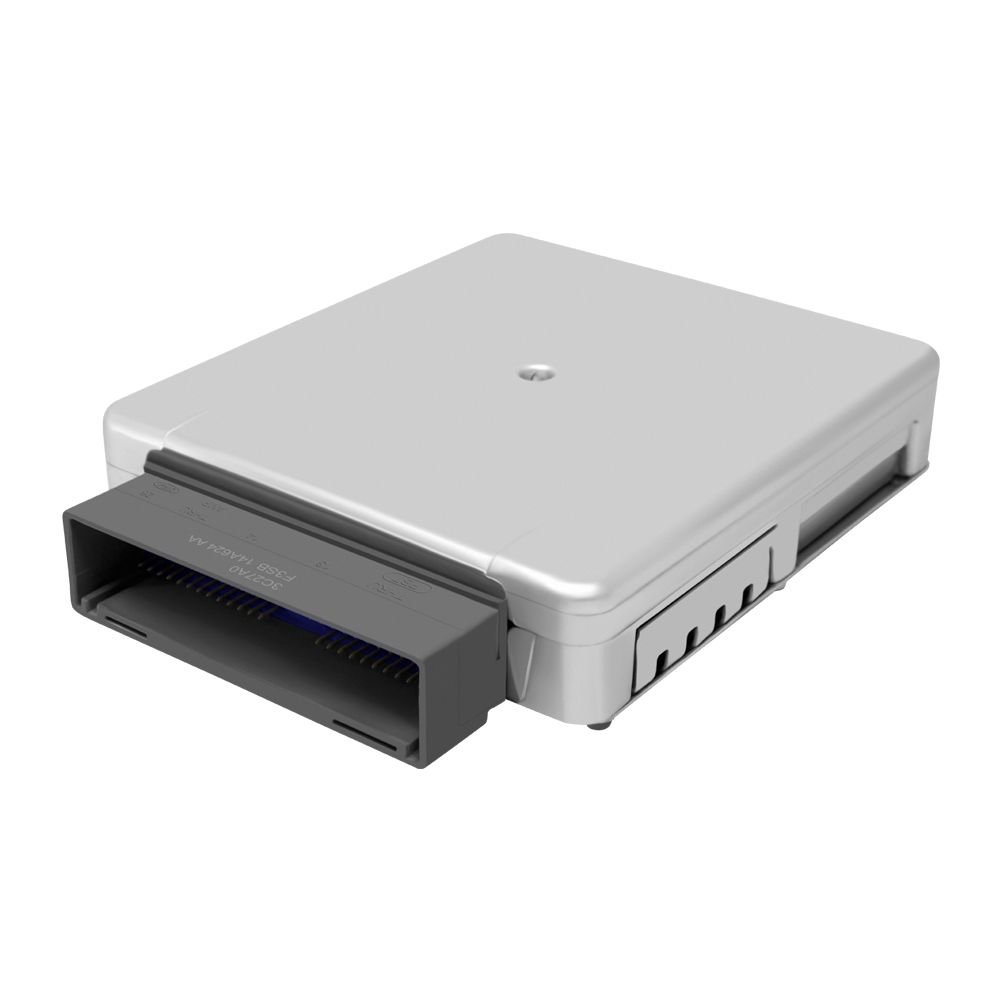
Flagship One stocks a refurbished, VIN-programmed PCM for the 1996 Ford Windstar with a lifetime warranty, free shipping and no core charge. The full Ford Windstar module lineup covers other engine configurations as well.
The Powertrain Control Module in your 1996 Ford Windstar performs essential functions that affect every aspect of engine and transmission operation. Recognizing the symptoms of module failure, understanding the replacement process, and knowing that pre-programmed units are available can help you make confident repair decisions. Whether you pursue professional installation or handle the swap yourself, ensuring the replacement PCM is properly configured for your specific vehicle remains paramount. Reach out to Flagship One to discuss your replacement options and get your Windstar back on the road with a reliable control module.