
Last updated on August 25th, 2026 at 01:15 pm
The Powertrain Control Module (PCM) on your 1994 Ford Bronco is the central computer managing the 5.0L engine and automatic transmission. It processes sensor inputs and adjusts fuel delivery, ignition timing and shift points. When this module fails or corrupts its internal memory, your vehicle may not run properly or may enter a limited-operation mode.
If your 1994 Ford Bronco is experiencing starting problems, stalling, or erratic shifting behavior, the Powertrain Control Module may be the culprit. This guide explains what this module does, how failure manifests, and what your replacement options are. The 1994 model year Bronco uses a pre-OBD-II control strategy where the PCM manages both the fuel-injected engine and the automatic transmission as a single integrated system. Understanding how this module works and what the replacement process involves helps you make informed repair decisions whether you handle the work yourself or consult a professional. The information here covers the factory labor times, the required post-install procedures, and practical steps you can take to protect your investment after repair.
The Powertrain Control Module in your 1994 Ford Bronco serves as the brain of the powertrain. This computer receives signals from numerous sensors throughout the engine bay and uses that information to calculate fuel injector pulse width, ignition advance angle, and transmission shift timing. For the 5.0L V8 engine paired with the E4OD automatic transmission, the PCM must coordinate these functions seamlessly to deliver drivable power and smooth gear changes. The module matters because it directly controls how your engine runs under all conditions—from cold starts to highway cruising to heavy towing. When the internal memory of this computer becomes corrupted or when hardware failure occurs, the engine may run poorly, stall unexpectedly, or fail to start at all. The factory caution indicates that this unit contains what is called backup programming, sometimes referred to as Failure Mode Effects Management, which allows the engine to continue operating in a degraded state if certain sensor inputs are lost. This limp-home capability can mask underlying problems, so proper diagnosis is essential. If you are searching for replacement engine computers for the 1994 Ford Bronco, understanding this module’s role helps you recognize why a proper replacement unit matters for reliable operation.
1994 Ford Bronco
OEM programmed replacements — plug & play, no dealer visit.
Find yours by year, make & model →
Free shipping · Lifetime warranty
Locating the PCM on a 1994 Ford Bronco requires accessing the module mounted in the engine compartment. The unit is typically positioned near the firewall on the driver’s side, often attached to the inner fender well or mounted on the cowl panel. Access involves removing the surrounding trim panels or protective covers to reach the mounting bolts and electrical connectors. The book time for Powertrain Control Module removal and installation is 1.0 hour, while the Engine Control Module R&R book time is 1.5 hours—these reflect the labor difference in accessing and securing the respective units. Once the old module is disconnected and removed, the replacement unit slides into the mounting location, secures with the factory bolts, and the electrical harness plugs in. The process is straightforward mechanically but requires care with the connector seals to prevent moisture intrusion afterward. Reassembly of the trim panels completes the physical installation portion of the job.
| Operation | Configuration | Book Time |
|---|---|---|
| Powertrain Control Module R&R | All configurations | 1.0 hr |
| Powertrain Control Module Relearn | All configurations | 0.5 hr |
| Engine Control Module Relearn | All configurations | 0.5 hr |
| Engine Control Module R&R | All configurations | 1.5 hr |
After the physical replacement is complete, the factory procedure requires performing a relearn procedure to calibrate the new module to your vehicle’s specific sensors and components. The Powertrain Control Module Relearn procedure takes 0.5 hours according to the book time, and the Engine Control Module Relearn also requires 0.5 hours. This step is critical because the module must learn the idle characteristics, throttle response, and transmission shift adaptions unique to your vehicle. Without this procedure, the engine may run roughly or the transmission may shift harshly. The good news is that Flagship One units arrive VIN-programmed so those steps are already done, meaning you get a plug-and-play replacement that communicates with your vehicle’s systems immediately upon installation. This pre-programming eliminates the need for dealer-only programming equipment and ensures the module recognizes your specific VIN from the start.
Every VIN-programmed replacement unit from Flagship One arrives with these steps already completed.
When the PCM on a 1994 Ford Bronco begins to fail, several symptoms commonly appear. A no-start condition is frequent—the engine cranks but will not fire because the module is not delivering fuel or spark. Stalling after startup or during idle also occurs when the module loses proper sensor input processing. Misfire codes may populate, and on pre-OBD-II vehicles like this one, the Check Engine lamp or Transmission Control Indicator Lamp may illuminate or flash to signal problems. Some owners report that the transmission shifts harshly or erratically, particularly if the module’s transmission control portion is affected. In some cases, scan-tool communication fails entirely because the module cannot respond to diagnostic requests. The vehicle may also enter the backup limp-home mode described in the factory caution, running but with noticeably reduced performance and throttle response. If you retrieve trouble codes and find module memory check sum error, that indicates an internal fault within the control module itself that typically requires replacement rather than repair.
Factory service bulletins for the 1994 Ford Bronco address specific concerns related to this model year. TSB 94-02-26 covers vehicles built before January 3, 1994, and addresses DTC 62 in continuous memory, which causes harsh shifts and a flashing Transmission Control Indicator Lamp. TSB 94-19-21 applies to the 5.8L engine variant and describes an engine rattle or clatter noise similar to exhaust shield rattle occurring under cold driveaway conditions. While your 5.0L vehicle is not directly covered by the second bulletin, the information demonstrates that Ford acknowledged drivability and noise concerns during this model year. These bulletins illustrate that the control module and its sensor inputs can influence shifting quality and engine noise characteristics.
| Bulletin | Subject | What It Addresses |
|---|---|---|
| 94-02-26 | DIAGNOSTIC TROUBLE CODE (DTC) 62 IN CONTINUOUS MEMORY – HARSH SHIFTS – TRANSMISSION – TRANSMISS | — |
| 94-19-21 | 5.8L – ENGINE – ENGINE “RATTLE/CLATTER” (SIMILAR TO EXHAUST SHIELD RATTLE) UNDER COLD DRIVEAWAY | — |
A used PCM may work physically, but it will likely need programming to your specific VIN. Additionally, you cannot verify the internal condition of a used unit, and it may have the same failure looming. A professionally refurbished unit from Flagship One arrives ready to install with your VIN already programmed.
The vehicle may still operate in a limited capacity due to the backup programs built into the module, but driving is not recommended. Performance will be degraded, and you risk being stranded if the module fails completely. Having the vehicle towed for diagnosis and repair is the safer approach.
A qualified technician can use diagnostic equipment to communicate with the module and check for internal fault codes. If the PCM fails to respond to scan-tool requests or sets internal memory codes, the module itself is likely faulty. Sensor problems typically set specific sensor-related codes rather than internal module faults.
The engine may run roughly, idle improperly, or exhibit harsh transmission shifts because the new module has not learned your vehicle’s specific sensor values and throttle characteristics. While the engine may start, the driveability will likely be unsatisfactory until the proper relearn procedure is completed.
The PCM on this model primarily manages engine fuel and ignition functions plus transmission shift control. It does not interface with body control modules or comfort systems in the same manner as later OBD-II vehicles, keeping its function focused on powertrain operation.
If your 1994 Ford Bronco requires a replacement control module, you have two primary paths: purchasing a new unit from the dealer at significantly higher cost, or choosing a professionally refurbished replacement that arrives VIN-programmed and ready to install. The Flagship One approach eliminates the dealer programming step while providing a unit that has been tested and refurbished to meet original specifications. Consider your budget, timeline, and comfort level with the replacement process when making your decision.
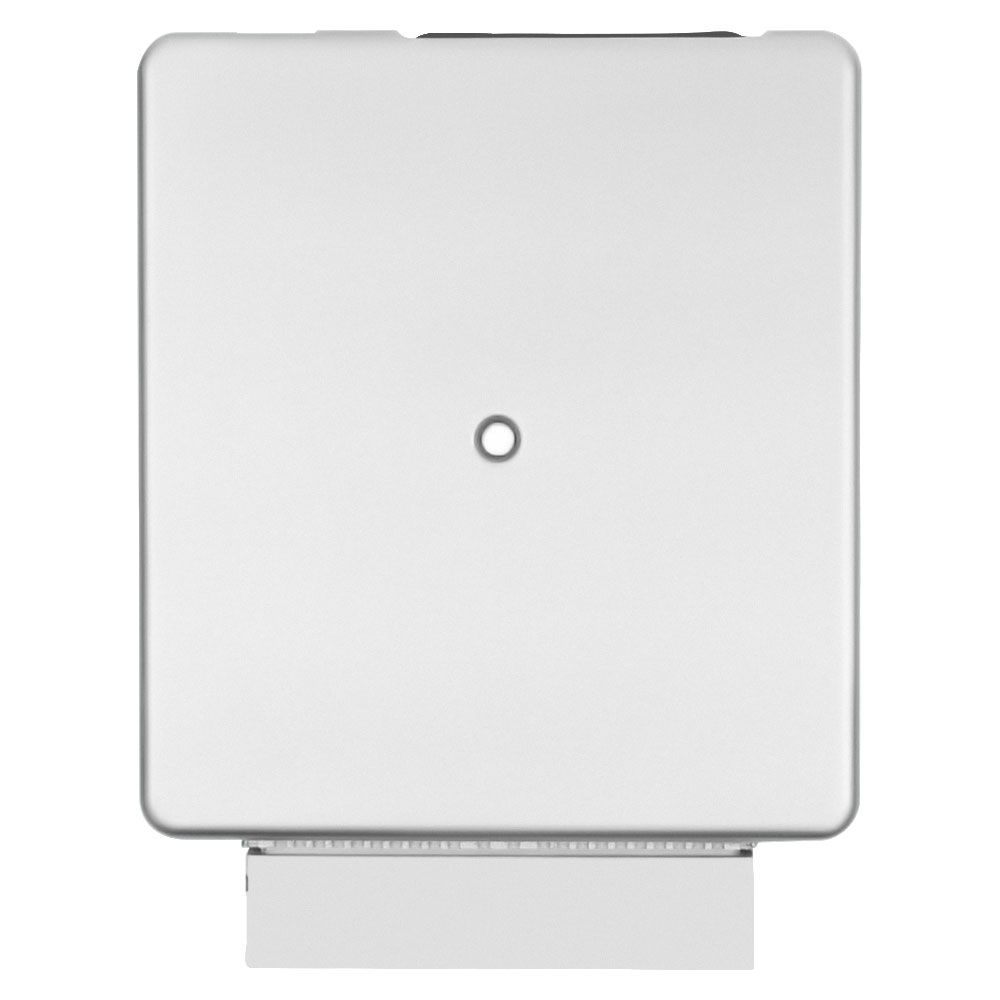
Flagship One stocks a refurbished, VIN-programmed PCM for the 1994 Ford Bronco with a lifetime warranty, free shipping and no core charge. The full Ford Bronco module lineup covers other engine configurations as well.
The Powertrain Control Module is a critical component on your 1994 Ford Bronco, managing the 5.0L engine and automatic transmission as an integrated system. When this module fails, symptoms range from no-start conditions to harsh shifting and stalling. Understanding the replacement labor times, the required relearn procedure, and the protection strategies outlined here helps you approach the repair with confidence. Whether you handle the installation yourself or rely on a professional, selecting a quality replacement unit ensures your Bronco returns to reliable operation.