
Last updated on August 25th, 2026 at 01:40 pm
The Powertrain Control Module (PCM) in your 1993 Ford Escort manages fuel injection, ignition timing, and emissions controls. Failures may cause erratic engine behavior, stalling, or a complete no-start condition due to internal circuit degradation or connector corrosion.
If your 1993 Ford Escort is experiencing unexplained stalling, rough idling, or a refusal to start, the Powertrain Control Module (PCM) may be the culprit. This critical component acts as the brain of your vehicle’s engine management system, coordinating fuel delivery, ignition timing, and emissions controls. Over time, exposure to heat, vibration, or voltage spikes can degrade its performance. Understanding where the PCM is located, how replacement works, and what to expect during the process can help you make informed decisions about repairs. Whether you’re diagnosing symptoms or preparing for a replacement, knowing the steps involved ensures a smoother experience.
In your 1993 Ford Escort, the Powertrain Control Module (PCM) integrates engine and transmission control functions into a single unit. It processes inputs from sensors monitoring throttle position, engine speed, and exhaust composition to optimize fuel mixture and ignition timing. A failing PCM replacement engine computers for the Escort may disrupt these calculations, leading to poor performance or even a vehicle that won’t run. Since the PCM also governs emissions-related functions, its reliability directly impacts drivability and compliance with older vehicle inspection standards. Without proper operation, your Escort may struggle to maintain consistent power or fuel efficiency.
1993 Ford Escort
OEM programmed ECM for your 1993 Ford Escort — plug & play, no dealer visit.
Free shipping · Lifetime warranty
The PCM in your 1993 Ford Escort is mounted behind the center of the instrument panel. To access it, you’ll need to remove the air duct positioned directly in front of the module. Replacement involves disconnecting the wiring harness, unbolting the old unit, and securing the new one in place. Labor time for PCM removal and reinstallation is typically 0.6 hours, according to factory estimates. If you’re working with the Engine Control Module (ECM) specifically for the 1.8L engine, the process may take up to 1.0 hours. No specialized torque specifications are provided, but ensuring connectors are properly seated is critical to avoid intermittent electrical issues.
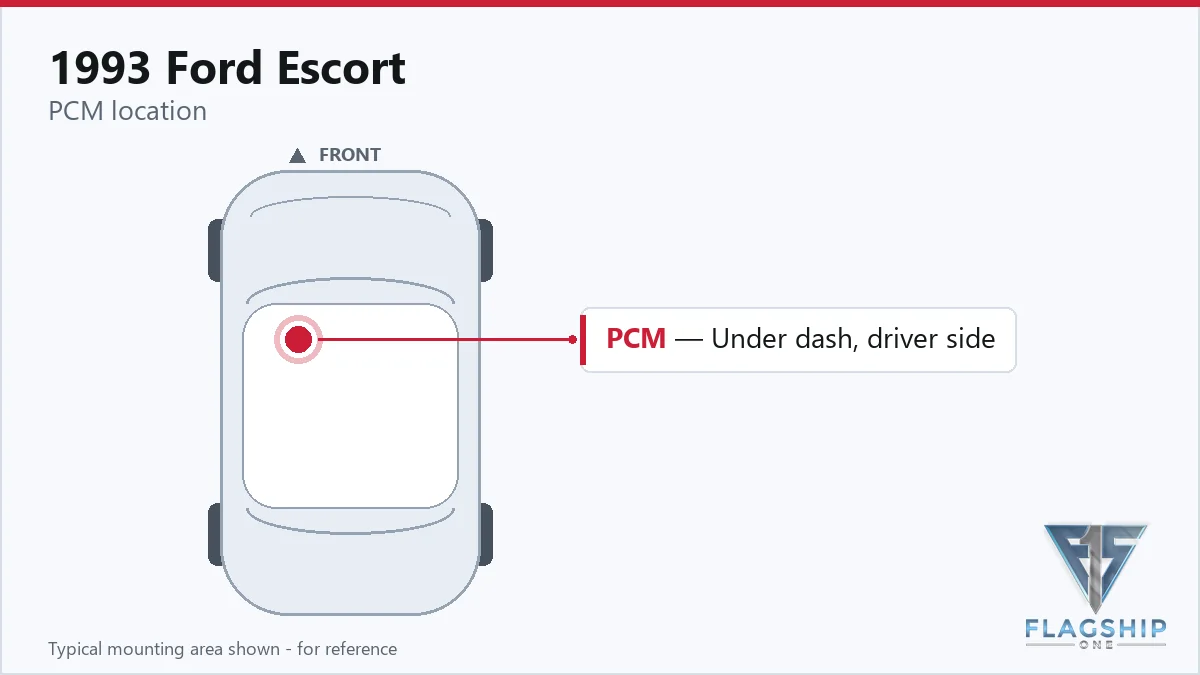
Work with the ignition off, and treat the module as static-sensitive: avoid touching the connector pins at any point.
| Operation | Configuration | Book Time |
|---|---|---|
| Powertrain Control Module R&R | All configurations | 0.6 hr |
| Powertrain Control Module Relearn | All configurations | 0.5 hr |
| Engine Control Module Relearn | All configurations | 0.5 hr |
| Engine Control Module R&R | 1.8L | 1.0 hr |
| Engine Control Module R&R | 1.9L | 1.1 hr |
After installing a new PCM in your 1993 Ford Escort, the factory procedure requires a 0.5-hour relearn process to synchronize the module with the vehicle’s VIN and sensor calibrations. This step ensures proper communication between the PCM and the engine’s systems. However, a VIN-programmed replacement unit arrives pre-configured, eliminating the need for this additional labor. This saves time and reduces the risk of incomplete initialization, which could otherwise lead to drivability issues or diagnostic errors. Always verify that the replacement unit matches your Escort’s engine size to avoid compatibility problems.
A failing PCM in your 1993 Ford Escort may cause a range of symptoms, often starting with intermittent stalling or a no-start condition. You might notice the engine misfiring, particularly under load, or experiencing rough idling that worsens over time. In some cases, the vehicle may fail to communicate with a scan tool, making diagnosis more challenging. Electrical issues, such as erratic gauge readings or accessories behaving unpredictably, can also point to PCM problems. If the module’s internal memory corrupts, it may trigger an internal control module memory checksum error, though this vehicle does not use standardized OBD-II codes. Addressing these symptoms early can prevent further drivability issues.
Ford issued service bulletin #95-10-02 addressing Malfunction Indicator Lamp (MIL) illumination in vehicles with the Distributorless Ignition System (DIS). The bulletin outlines revised connector retention clips and seals for the Ignition Control Module (ICM), as well as updated wiring procedures. These changes were implemented to improve connector reliability and reduce the risk of intermittent electrical faults that could trigger the MIL. If your Escort exhibits persistent MIL illumination, inspecting the ICM connector and wiring for corrosion or loose connections may be necessary.
| Bulletin | Subject | What It Addresses |
|---|---|---|
| 95-10-02 | “MALFUNCTION INDICATOR LAMP” (MIL) ILLUMINATED – DISTRIBUTORLESS IGNITION SYSTEM (DIS) ONLY – I | — |
Replacing the PCM is mechanically straightforward, but access requires removing the air duct and instrument panel components. If you’re comfortable with basic electrical work and have the right tools, it’s manageable. However, the factory relearn procedure requires specialized equipment, so a pre-programmed unit is recommended for DIY installations.
Stalling after a PCM replacement often indicates an incomplete relearn process or a mismatch between the module and the vehicle’s VIN. A pre-programmed unit eliminates this issue by arriving ready for installation. If stalling persists, check for loose connectors or additional sensor faults that may need attention.
Common signs include intermittent stalling, rough idling, or a no-start condition. The vehicle may also fail to communicate with diagnostic tools, or you might notice erratic behavior from gauges or accessories. If these symptoms appear suddenly, the PCM should be inspected as a potential cause.
If your 1993 Ford Escort is showing signs of PCM failure, you have options. A repair may address specific circuit issues, but a replacement ensures long-term reliability. Given the labor involved in accessing and programming the module, a pre-configured unit can save time and reduce the risk of post-installation problems. Consider your vehicle’s overall condition and how critical dependable operation is for your needs.
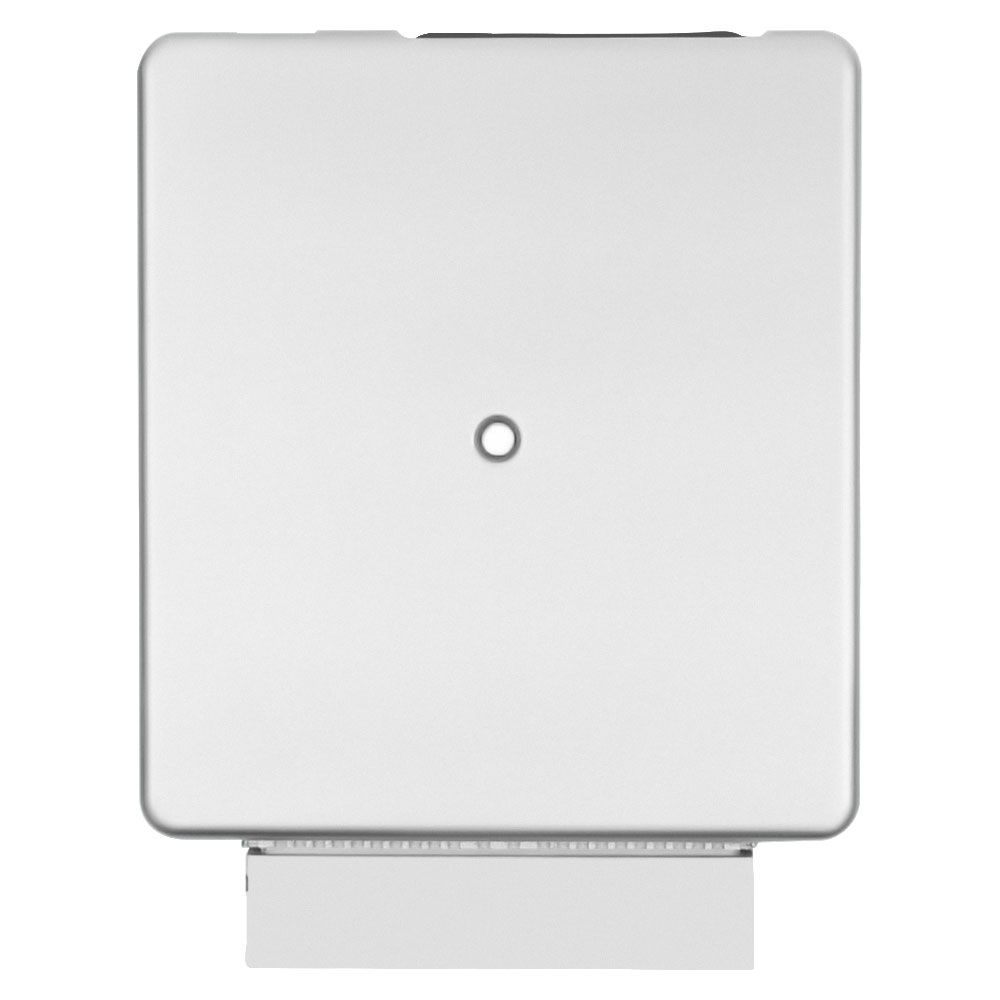
Flagship One stocks a refurbished, VIN-programmed PCM for the 1993 Ford Escort with a lifetime warranty, free shipping and no core charge. The full Ford Escort module lineup covers other engine configurations as well.
The PCM in your 1993 Ford Escort plays a vital role in engine performance and drivability. Recognizing failure symptoms early and understanding the replacement process can help you avoid unexpected breakdowns. Whether you opt for a repair or a pre-programmed replacement, addressing PCM issues promptly ensures your Escort remains reliable on the road.