
Last updated on August 25th, 2026 at 01:40 pm
The Powertrain Control Module (PCM) in your 1992 Ford E-Series van manages fuel delivery, ignition timing, and transmission behavior. Failures may cause erratic engine performance, stalling, or transmission shifting problems.
If your 1992 Ford E-Series van is experiencing unexplained stalling, rough shifts, or a no-start condition, the Powertrain Control Module (PCM) may be the culprit. This critical component acts as the brain of your vehicle’s engine and transmission, regulating everything from fuel delivery to shift timing. Replacing it involves straightforward labor, but understanding the process—and the importance of proper programming—can save you time and frustration. Whether you drive an Econoline or Club Wagon, knowing what to expect helps you make informed decisions about repairs or replacements.
The PCM in your 1992 Ford E-Series van integrates engine and transmission control into a single unit. It processes inputs from sensors to adjust fuel injection, ignition timing, and shift points, ensuring optimal performance. When it fails, you may notice poor drivability, such as hesitation or erratic shifting. Since this module is specific to your vehicle’s configuration, sourcing the correct replacement engine computers for the E-Series ensures compatibility and avoids additional programming headaches. A malfunctioning PCM can disrupt critical systems, so addressing issues promptly is key to maintaining reliability.
1992 Ford E-Series Van
OEM programmed replacements — plug & play, no dealer visit.
Find yours by year, make & model →
Free shipping · Lifetime warranty
The PCM in your 1992 Ford E-Series van is typically mounted inside the passenger compartment, often behind the glove box or under the dashboard. Replacement involves disconnecting the battery, removing the module’s electrical connector, and unbolting the unit. Labor time for removal and reinstallation is consistently listed at 0.9 hours across all E-Series models, including the E-150, E-250, and E-350, whether in Econoline or Club Wagon form. After installation, the module must be relearned to the vehicle’s systems, a process that adds another 0.5 hours of labor for most models.
| Operation | Configuration | Book Time |
|---|---|---|
| Powertrain Control Module R&R | E-150 Econoline | 0.9 hr |
| Powertrain Control Module R&R | E-150 Econoline Club Wagon | 0.9 hr |
| Powertrain Control Module R&R | E-250 Econoline | 0.9 hr |
| Powertrain Control Module R&R | E-350 Econoline | 0.9 hr |
| Powertrain Control Module R&R | E-350 Econoline Club Wagon | 0.9 hr |
| Powertrain Control Module Relearn | E-150 Econoline | 0.5 hr |
| Powertrain Control Module Relearn | E-150 Econoline Club Wagon | 0.5 hr |
| Powertrain Control Module Relearn | E-250 Econoline | 0.5 hr |
After replacing the PCM in your 1992 Ford E-Series van, a factory relearn procedure is required to synchronize the module with the vehicle’s systems. This step ensures proper engine and transmission operation but adds time to the repair. However, opting for a VIN-programmed replacement unit eliminates this step, as the module arrives pre-configured for your specific van. This not only simplifies installation but also reduces the risk of calibration errors that could affect performance.
A failing PCM in your 1992 Ford E-Series van may cause a range of symptoms, from intermittent stalling to complete no-start conditions. You might also notice harsh or delayed transmission shifts, particularly in models built before early 1994. Other signs include poor fuel economy, rough idle, or the engine running erratically under load. In some cases, the issue may trigger an internal fault, such as 62:transmission control indicator lamp flashing, which can lead to further drivability problems if left unaddressed.
Ford issued a service bulletin (TSB 94-02-26) addressing Diagnostic Trouble Code 62 in 1992 E-Series vans built before January 3, 1994. The bulletin notes that this code may appear in continuous memory and is often linked to harsh transmission shifts or a flashing Transmission Control Indicator Lamp (TCIL). The TSB provides diagnostic steps to confirm the issue and outlines potential corrective actions to restore proper transmission function.
| Bulletin | Subject | What It Addresses |
|---|---|---|
| 94-02-26 | DIAGNOSTIC TROUBLE CODE (DTC) 62 IN CONTINUOUS MEMORY – HARSH SHIFTS – TRANSMISSION – TRANSMISS | — |
Common signs include stalling, harsh transmission shifts, or a no-start condition. You may also notice poor engine performance or stored trouble codes. A diagnostic scan can help confirm whether the PCM is the root cause.
Replacement is straightforward if you’re comfortable with basic electrical work. The module is typically accessible behind the glove box or under the dashboard. However, a relearn procedure is required afterward to ensure proper operation.
The relearn procedure synchronizes the new PCM with the vehicle’s sensors and transmission. Without it, the engine or transmission may not perform correctly. This step is standard for all E-Series models of this vintage.
If your 1992 Ford E-Series van is showing signs of PCM failure, you have options. A repair may address minor issues, but a replacement is often more reliable for long-term performance. Opting for a pre-programmed module can save time and ensure compatibility with your specific van, whether it’s an Econoline or Club Wagon.
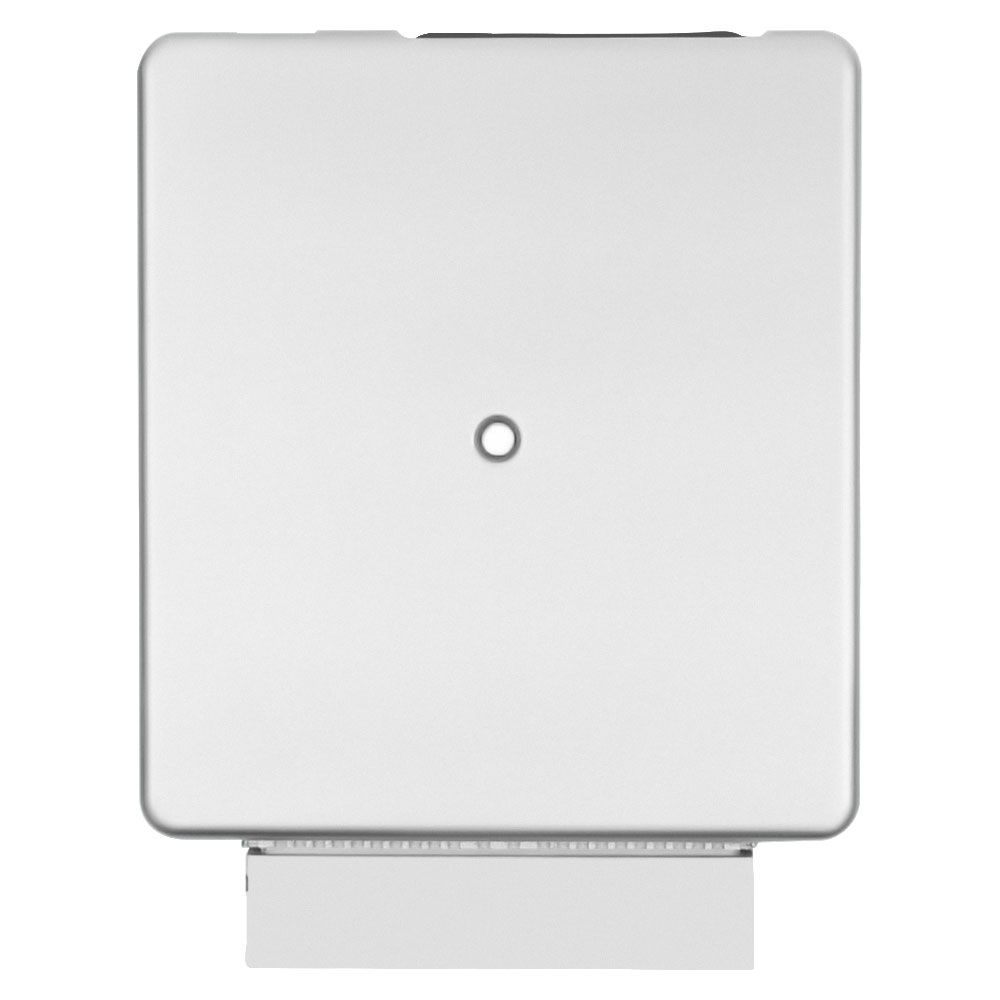
Flagship One stocks a refurbished, VIN-programmed PCM for the 1992 Ford Van (E-Series) with a lifetime warranty, free shipping and no core charge. The full Ford Van (E-Series) module lineup covers other engine configurations as well.
The PCM in your 1992 Ford E-Series van plays a critical role in engine and transmission performance. If you’re experiencing drivability issues, addressing the module promptly can restore reliability. Whether you choose a repair or replacement, understanding the process helps you make the best decision for your vehicle.