
Last updated on August 25th, 2026 at 01:40 pm
The Powertrain Control Module (PCM) in your 1992 Ford Bronco 5.0L acts as the brain for engine and transmission functions. Failures often stem from voltage spikes, corroded connectors, or internal memory faults, leading to poor performance or no-start conditions.
If your 1992 Ford Bronco 5.0L has been running rough, stalling unexpectedly, or shifting gears with a jolt, the Powertrain Control Module (PCM) could be the culprit. This small but critical component oversees everything from fuel delivery to transmission behavior, and when it malfunctions, the effects can range from subtle drivability issues to a complete no-start condition. Unlike newer vehicles with advanced diagnostics, the Bronco’s pre-OBD-II system relies on simpler fault codes and backup strategies to keep you moving—though not always smoothly. Understanding how the PCM functions, where it’s located, and what replacement involves can save you time and frustration. You’ll also learn why choosing a pre-programmed unit can simplify the process, avoiding the extra steps required with a blank module. Whether you’re diagnosing a persistent issue or preparing for a repair, this guide covers the essentials for your Bronco’s engine computer.
The Powertrain Control Module in your 1992 Ford Bronco 5.0L serves as the central command for engine and transmission operations. It continuously monitors inputs from sensors like the throttle position, oxygen, and coolant temperature to adjust fuel mixture, ignition timing, and shift points in real time. Without this module, the engine may run poorly or fail to start entirely. The system also includes Failure Mode Effects Management (FMEM), which allows the Bronco to limp along if a sensor signal is lost, though performance will be noticeably degraded. Over time, voltage fluctuations, moisture intrusion, or internal component wear can compromise the PCM’s functionality. When replacement becomes necessary, opting for replacement engine computers for the Bronco ensures compatibility and avoids the hassle of manual programming. The module’s role is especially critical in a vehicle like the Bronco, where off-road conditions and aging wiring may accelerate wear.
1992 Ford Bronco 5.0L: When the
OEM programmed replacements — plug & play, no dealer visit.
Find yours by year, make & model →
Free shipping · Lifetime warranty
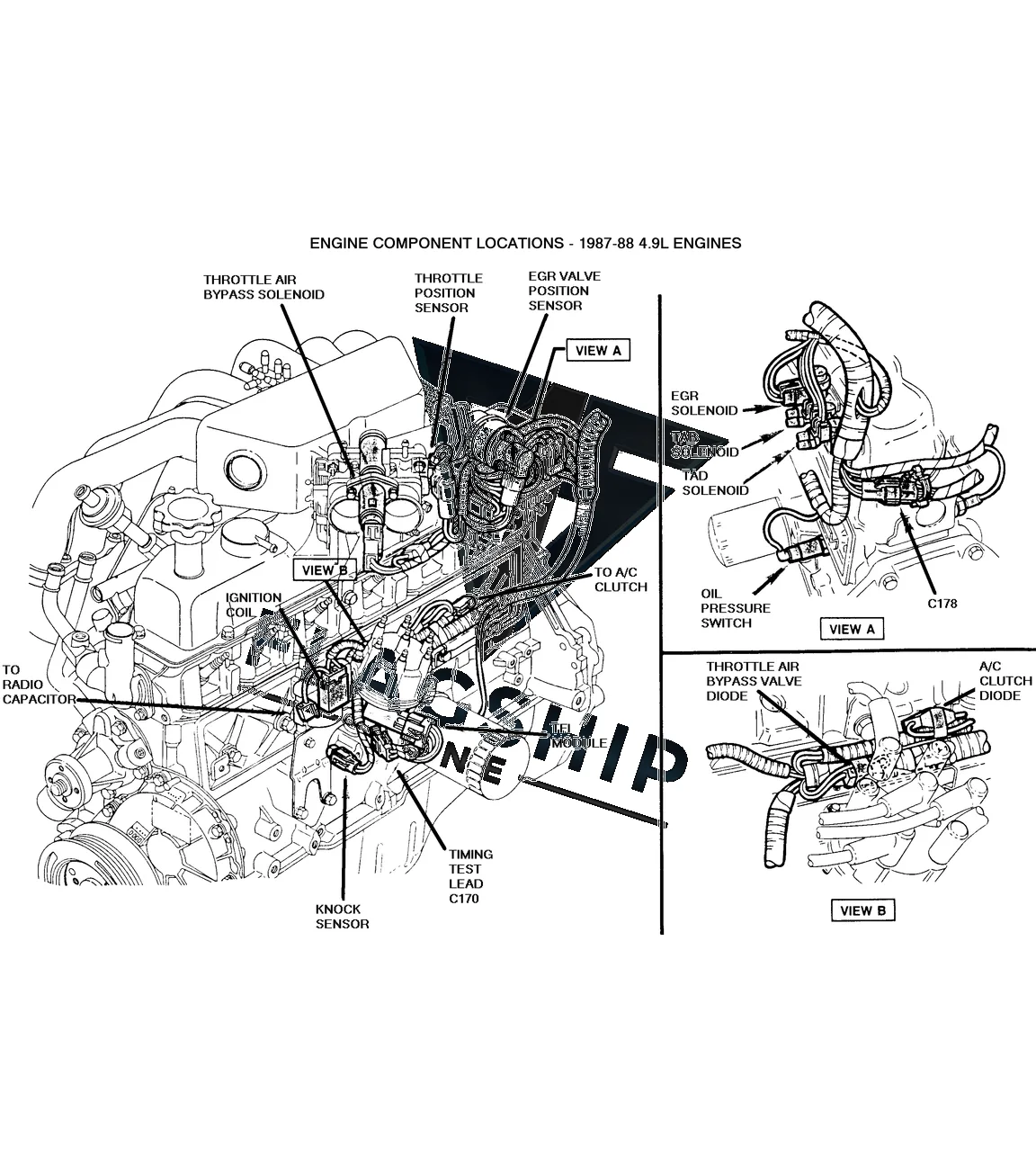
In the 1992 Ford Bronco 5.0L, the Powertrain Control Module is mounted inside the passenger compartment, typically behind the glove box or under the dashboard. Accessing it requires removing a few interior panels, but the job is straightforward for most mechanics. According to factory labor guides, replacing the PCM takes about 0.9 hours, including disconnecting the battery, unplugging the wiring harness, and securing the new unit. There are no special torque specifications provided, but ensuring the connectors are clean and properly seated is critical to avoid future issues. The location is chosen to protect the module from extreme temperatures and moisture, though over time, even this sheltered position can’t prevent all potential failures. If you’re replacing the module yourself, take care to avoid static discharge, which can damage sensitive electronics.
| Operation | Configuration | Book Time |
|---|---|---|
| Powertrain Control Module R&R | All configurations | 0.9 hr |
| Powertrain Control Module Relearn | All configurations | 0.5 hr |
| Engine Control Module Relearn | All configurations | 0.5 hr |
| Engine Control Module R&R | All configurations | 0.9 hr |
After installing a new Powertrain Control Module in your 1992 Ford Bronco 5.0L, the factory procedure requires a relearn process to synchronize the module with the vehicle’s sensors and transmission. This step typically takes about 0.5 hours and involves driving the Bronco under specific conditions to allow the PCM to adapt. However, if you choose a VIN-programmed replacement unit, these steps are already completed, saving you time and ensuring the module is ready to function immediately. The relearn process is essential because the Bronco’s pre-OBD-II system lacks the self-calibration features found in newer vehicles. Without it, you may experience rough shifting, poor fuel economy, or even a no-start condition. Flagship One’s pre-programmed modules eliminate this hassle, allowing you to install and drive without additional procedures.
When the Powertrain Control Module in your 1992 Ford Bronco 5.0L begins to fail, you may notice a range of symptoms that can mimic other issues. Common signs include intermittent stalling, especially at idle or during deceleration, as the module struggles to maintain proper fuel and ignition timing. The engine may also misfire or hesitate under acceleration, often accompanied by a rough idle. Another telltale sign is harsh or erratic shifting, particularly in the automatic transmission, which can feel like the Bronco is lunging between gears. In some cases, the vehicle may fail to start at all, leaving you with a cranking engine that refuses to fire. Scan tool communication issues are another red flag, as a failing PCM may not respond to diagnostic requests. If the module has triggered an internal fault, you might encounter 62:transmission control faults, which can illuminate the Transmission Control Indicator Lamp (TCIL) or cause the transmission to default to a single gear. These symptoms often worsen over time, so addressing them promptly can prevent further drivability issues.
Ford issued a service bulletin (TSB 94-02-26) addressing Diagnostic Trouble Code 62 in the 1992 Bronco 5.0L, specifically for vehicles built before January 3, 1994. This bulletin notes that the code may appear in continuous memory and is often associated with harsh transmission shifts or a flashing Transmission Control Indicator Lamp (TCIL). The issue typically arises from the PCM’s inability to properly manage transmission behavior, leading to erratic or delayed gear changes. While the bulletin doesn’t outline a specific repair, it highlights the importance of addressing the code promptly to avoid further transmission wear or drivability problems.
| Bulletin | Subject | What It Addresses |
|---|---|---|
| 94-02-26 | DIAGNOSTIC TROUBLE CODE (DTC) 62 IN CONTINUOUS MEMORY – HARSH SHIFTS – TRANSMISSION – TRANSMISS | — |
Stalling at idle in your Bronco often points to a failing PCM or a sensor issue the module can’t compensate for. The PCM relies on inputs like the idle air control valve and throttle position sensor to maintain smooth idle. If these signals are erratic or the PCM’s internal logic is compromised, the engine may stall when it can’t adjust fuel or timing properly. A scan tool can help identify whether the issue is sensor-related or tied to the module itself.
Yes, a faulty PCM can lead to harsh or delayed shifts in your Bronco’s automatic transmission. The module controls shift timing and pressure, so if it’s not processing sensor data correctly, the transmission may behave erratically. Ford’s TSB 94-02-26 specifically addresses this issue, noting that Diagnostic Trouble Code 62 may appear alongside harsh shifting. Replacing the PCM or ensuring it’s properly programmed can resolve the problem.
Distinguishing between a bad PCM and a sensor issue in your Bronco can be tricky. Start by checking for stored fault codes, as the PCM may log a code pointing to a specific sensor. If no codes are present but symptoms like stalling or misfires persist, the PCM itself may be failing. Another clue is whether the vehicle exhibits multiple unrelated symptoms, such as poor idle, transmission issues, and scan tool communication problems—this often indicates a module failure rather than a single sensor.
Skipping the PCM relearn procedure in your Bronco may result in poor drivability, including rough shifting, erratic idle, or even a no-start condition. The relearn process allows the module to adapt to the vehicle’s sensors and transmission, ensuring smooth operation. Without it, the PCM may default to backup settings that limit performance. A pre-programmed replacement unit eliminates this step, as it arrives ready to function immediately after installation.
While your Bronco may still run with a failing PCM, it’s not ideal for long-term driving. The module’s backup programs can keep the engine operational, but performance will be compromised. You may experience stalling, misfires, or transmission issues that worsen over time. Additionally, a failing PCM can cause the engine to run too rich or too lean, potentially damaging other components like the catalytic converter. Addressing the issue promptly is the best way to avoid further complications.
If your 1992 Ford Bronco 5.0L is showing signs of a failing PCM, you have a few options. A repair shop can attempt to diagnose and reprogram the existing module, though this may not resolve internal faults. Alternatively, replacing the PCM with a new or refurbished unit ensures a fresh start, but be prepared for the required relearn procedure. For a hassle-free solution, a pre-programmed replacement eliminates the need for post-install programming, allowing you to get back on the road quickly. Given the Bronco’s age, choosing a reliable replacement is key to avoiding repeat issues down the line.
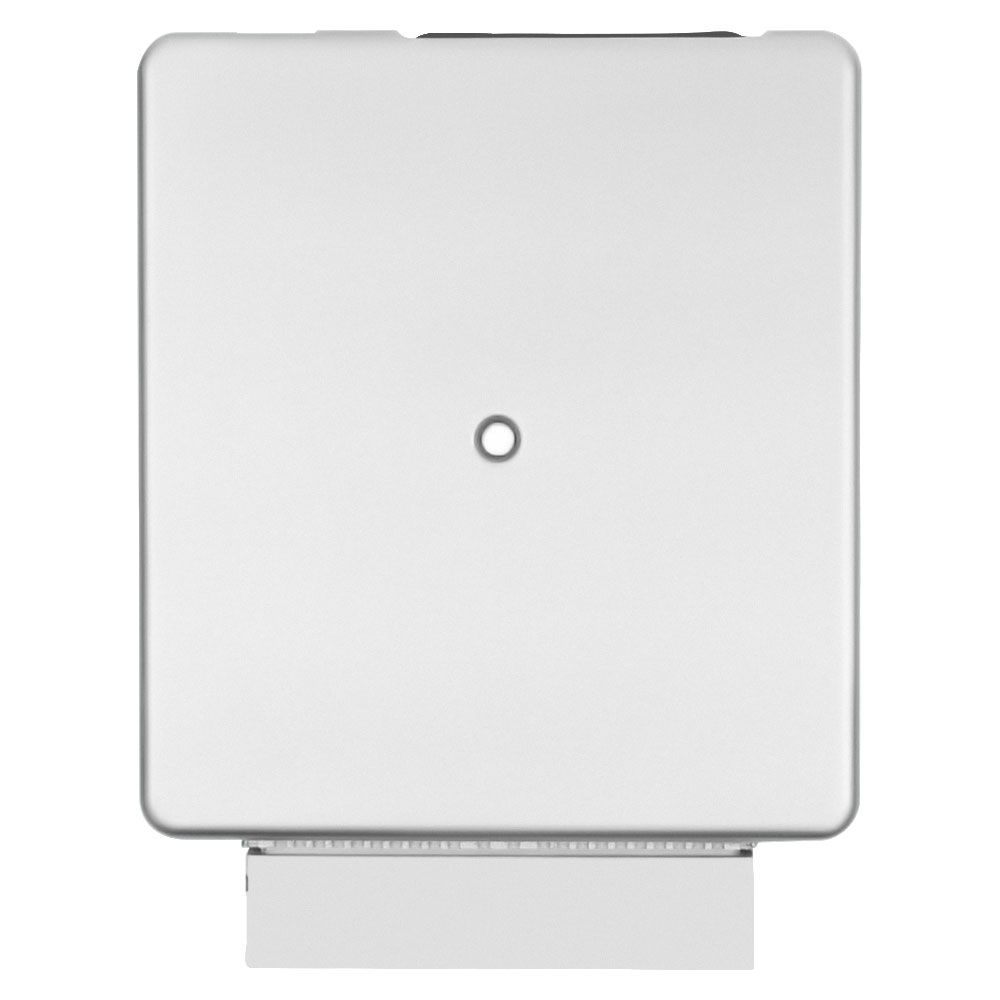
Flagship One stocks a refurbished, VIN-programmed PCM for the 1992 Ford Bronco with a lifetime warranty, free shipping and no core charge. The full Ford Bronco module lineup covers other engine configurations as well.
The Powertrain Control Module in your 1992 Ford Bronco 5.0L plays a critical role in keeping the engine and transmission running smoothly. When it fails, symptoms like stalling, harsh shifting, or a no-start condition can leave you stranded. Understanding the module’s function, location, and replacement process helps you make informed decisions about repairs. Whether you opt for a DIY replacement or leave it to a professional, choosing a pre-programmed unit can save time and ensure your Bronco performs as it should. Addressing PCM issues promptly will keep your vehicle reliable for years to come.