
Last updated on August 25th, 2026 at 01:41 pm
The Powertrain Control Module serves as the primary computer for your 1991 Ford Escort’s engine management system. It governs fuel delivery, ignition timing, and emissions controls based on sensor inputs. Heat exposure, voltage spikes, and connector corrosion commonly cause PCM failures in older vehicles, leading to drivability problems.
When your 1991 Ford Escort starts hard, stalls at idle, or runs rough without a clear cause, the Powertrain Control Module may be failing. This guide explains what the PCM does, where it is located, what replacement involves, and why programming matters on this pre-OBD-II vehicle. You will learn the signs of module failure, the labor steps involved, and what to expect from the relearn procedure. Whether you are diagnosing a no-start condition or planning a replacement, the information here helps you understand the process and make informed decisions about repair options.
The Powertrain Control Module on your 1991 Ford Escort functions as the engine’s central command center, processing inputs from sensors that monitor temperature, throttle position, and oxygen levels to calculate the correct air-fuel mixture and ignition timing for every driving condition. Without this module, the engine cannot maintain proper combustion, leading to poor idle quality, increased emissions, and reduced fuel efficiency. On your Escort, the PCM also manages the automatic transmission shift points, coordinating gear changes with engine output. replacement engine computers for the Ford Escort are available when the original unit fails beyond repair. The module’s location behind the dashboard exposes it to heat and vibration over time, making it a common failure point on vehicles of this age.
1991 Ford Escort
OEM programmed ECM for your 1991 Ford Escort — plug & play, no dealer visit.
Free shipping · Lifetime warranty
The PCM on your 1991 Ford Escort mounts behind the center of the instrument panel, requiring removal of the air duct located directly in front of the module for access. The book time for removal and replacement is 0.6 hours, though this assumes no complications from corroded fasteners or tight working space. After extracting the old unit, technicians must route the replacement carefully to avoid damaging the new module or its wiring harness. The procedure involves disconnecting the battery before beginning work to prevent voltage spikes that could harm sensitive electronics. Once installed, the vehicle requires a relearn procedure before normal driving behavior returns, accounting for additional time beyond the physical R&R labor.
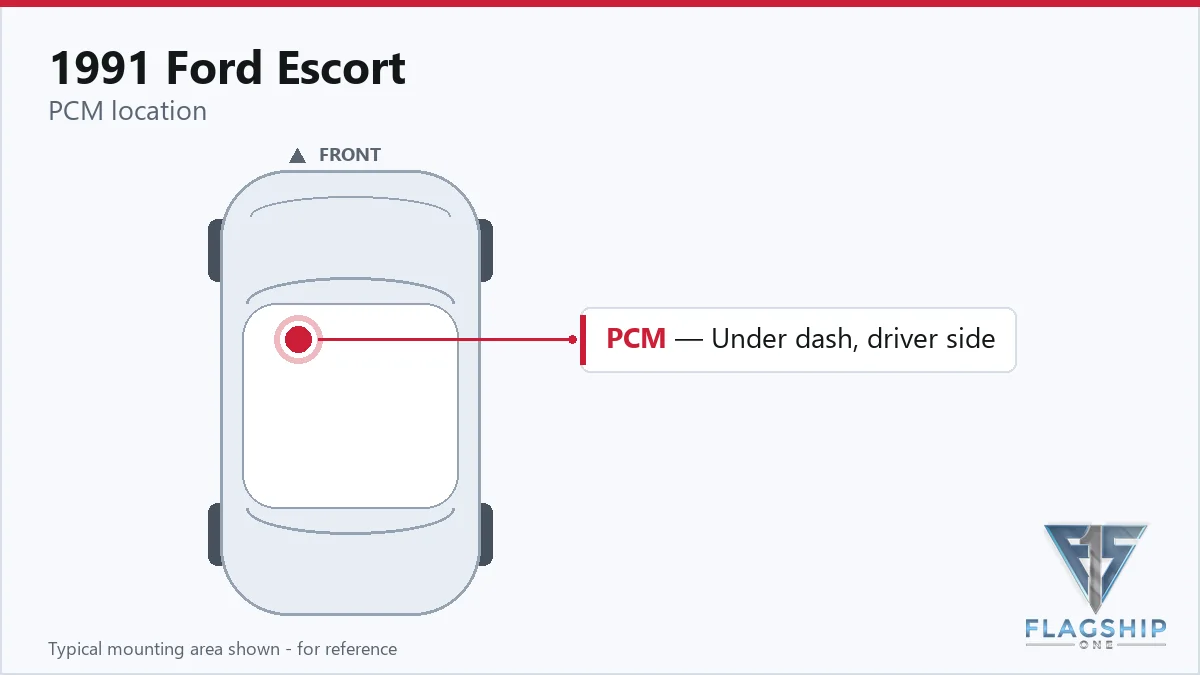
Work with the ignition off, and treat the module as static-sensitive: avoid touching the connector pins at any point.
| Operation | Configuration | Book Time |
|---|---|---|
| Powertrain Control Module R&R | All configurations | 0.6 hr |
| Powertrain Control Module Relearn | All configurations | 0.5 hr |
| Engine Control Module Relearn | All configurations | 0.5 hr |
| Engine Control Module R&R | 1.8L | 1.0 hr |
| Engine Control Module R&R | 1.9L | 1.1 hr |
After installing a replacement PCM, the factory procedure requires a relearn process through the J3 data line to calibrate the new module to your specific engine and transmission. This step synchronizes the replacement unit with your vehicle’s sensors andlearns idle adaptation values. On pre-OBD-II vehicles like the 1991 Escort, this relearn ensures the transmission shifts properly and the engine responds correctly to throttle inputs. a VIN-programmed replacement unit arrives with your specific vehicle identification number already configured, eliminating the need for dealer-level programming at installation. This means the relearn step focuses on adaptation values rather than basic configuration.
A failing PCM in your 1991 Ford Escort typically announces itself through hard starting, especially when the engine is warm, or intermittent stalling that leaves you stranded without warning. You may notice the engine idling roughly or dying when stopped at a traffic light. The Check Engine light may illuminate, though trouble codes on this pre-OBD-II system are limited compared to later vehicles. Some drivers report the automatic transmission shifting harshly or unpredictably. In severe cases, the module stops communicating with scan tools entirely, making diagnosis difficult. These symptoms often appear gradually, mimicking other common problems like a faulty idle air control valve or worn ignition components.
Factory service bulletin 92-17-01 addresses the core return program for Ford Powertrain Control Modules marked for remanufacturing. When you purchase a remanufactured replacement, you receive a core charge credit that applies when you return your old unit. Proper preparation of the old module before return—including cleaning and protective packaging—helps ensure you receive the credit without deductions. Following these return instructions prevents unexpected charges and supports the remanufacturing supply chain that keeps replacement costs reasonable.
| Bulletin | Subject | What It Addresses |
|---|---|---|
| 92-17-01 | CORE RETURN INSTRUCTIONS – FORD ENGINE CONTROL PROCESSOR – POWERTRAIN CONTROL MODULE – REMANUFA | — |
Replacement PCM units must match your vehicle’s specifications, including engine size and transmission type. The 1.8L engine in your Escort uses a different calibration than the 1.9L version. A pre-programmed unit configured to your VIN ensures plug-and-play installation.
Symptoms like hard starting, stalling, and poor idle that persist after checking basic items like spark plugs, fuel pressure, and vacuum lines point toward the module. If your scan tool cannot communicate with the PCM at all, the module itself may be faulty.
The relearn procedure after installation typically requires dealer-level diagnostic equipment to complete the adaptation process. A unit that arrives pre-programmed with your VIN reduces this requirement significantly.
Replacing a failed PCM on a 1991 Ford Escort requires weighing repair costs against a remanufactured unit. Remanufactured replacements offer a cost-effective middle ground but require proper core return per Ford bulletin 92-17-01. Pre-programmed units from Flagship One arrive ready to install, minimizing shop time and eliminating the need for dealer relearn programming. Consider your budget, timeline, and diagnostic findings before deciding which repair path fits your situation.
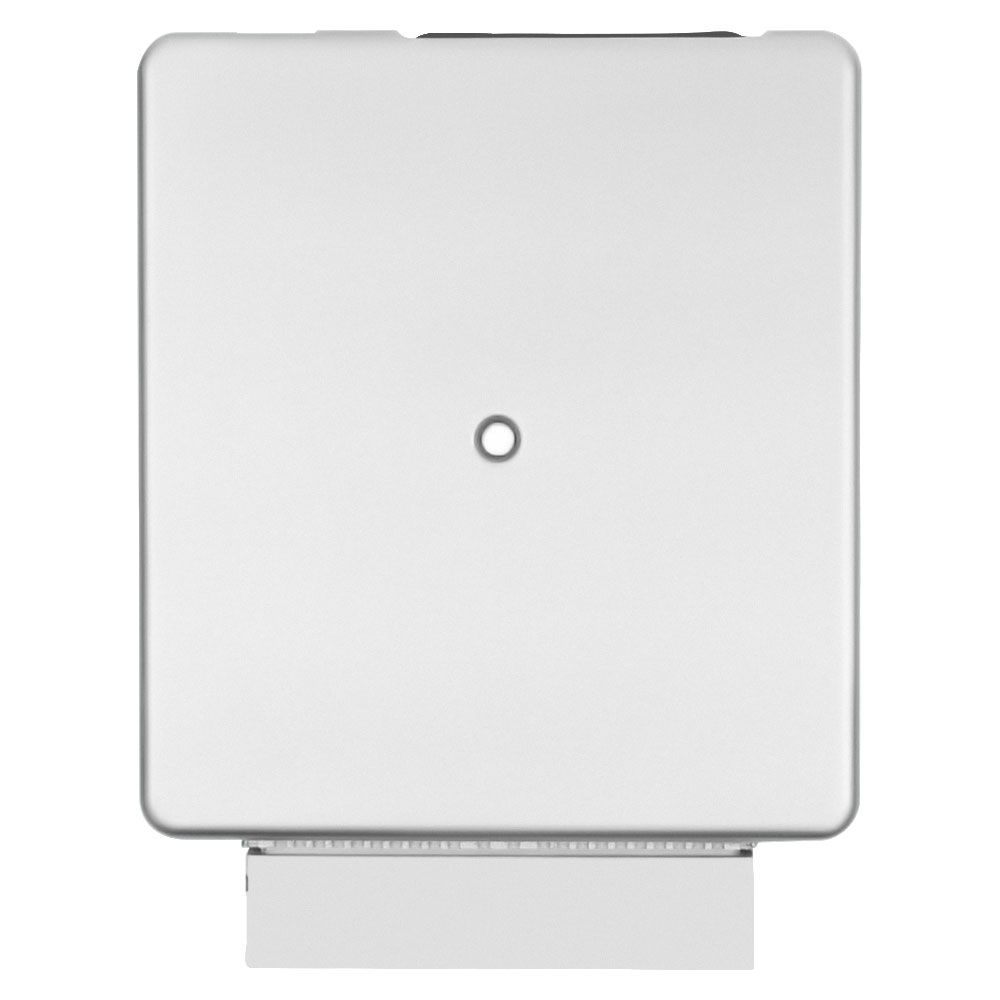
Flagship One stocks a refurbished, VIN-programmed PCM for the 1991 Ford Escort with a lifetime warranty, free shipping and no core charge. The full Ford Escort module lineup covers other engine configurations as well.
The Powertrain Control Module on your 1991 Ford Escort plays a critical role in engine performance and transmission operation. When this module fails, replacement restores your vehicle’s drivability without the uncertainty of patchwork repairs. Pre-programmed replacement units remove the complexity of post-installation programming, getting you back on the road faster.