
Last updated on August 25th, 2026 at 01:44 pm
The powertrain control module (PCM) in your 2016 Nissan Sentra manages engine performance and transmission behavior. Failures may cause erratic operation, poor fuel economy, or complete stalls, often triggered by voltage spikes or corrosion.
If your 2016 Nissan Sentra suddenly stalls at stoplights or refuses to start, the powertrain control module (PCM) may be at fault. This small but critical computer oversees everything from fuel injection to transmission shifts, and when it fails, your vehicle’s drivability suffers. Replacing it isn’t just about swapping a box—it involves precise labor steps and post-install programming to restore full functionality. Understanding the process helps you avoid unnecessary delays or repeat repairs. You’ll learn where the PCM is located, what symptoms signal its failure, and why choosing a pre-programmed unit can save time. Whether you’re diagnosing a persistent check engine light or preparing for a replacement, this guide covers what you need to know for your Sentra’s specific setup.
The powertrain control module (PCM) in your 2016 Nissan Sentra acts as the brain for both engine and transmission operations. It continuously monitors sensor inputs—like throttle position, oxygen levels, and engine speed—to adjust fuel delivery, ignition timing, and shift points in real time. Without a properly functioning PCM, your Sentra may experience poor acceleration, rough idling, or even fail to start. The module also communicates with other vehicle systems, such as the anti-lock brakes and emissions controls, making it essential for overall performance and compliance with emissions standards. When it malfunctions, symptoms often mimic other issues, like fuel pump failures or transmission slippage, which is why accurate diagnosis is critical. Replacing it with replacement engine computers for the Sentra ensures compatibility and restores factory-level operation, but the process doesn’t end with installation—programming is required to sync the new unit with your vehicle’s specific settings.
2016 Nissan Sentra
OEM programmed ECM for your 2016 Nissan Sentra — plug & play, no dealer visit.
Free shipping · Lifetime warranty
In the 2016 Nissan Sentra, the PCM is mounted inside the engine bay, typically secured near the firewall or strut tower. Accessing it involves removing the air intake assembly and possibly the battery tray to reach the module’s mounting bolts. Once exposed, the PCM is held in place by a few fasteners, and its electrical connector must be carefully disconnected to avoid damaging the pins. Reinstallation follows the reverse order, with attention to proper torque on the mounting bolts to prevent vibration-related issues. The labor guide estimates 1.4 hours for removal and reinstallation, assuming no complications like seized bolts or corroded connectors. After physical replacement, the module must undergo a relearn procedure to synchronize with the vehicle’s sensors and transmission, which adds additional labor time if not handled in advance.
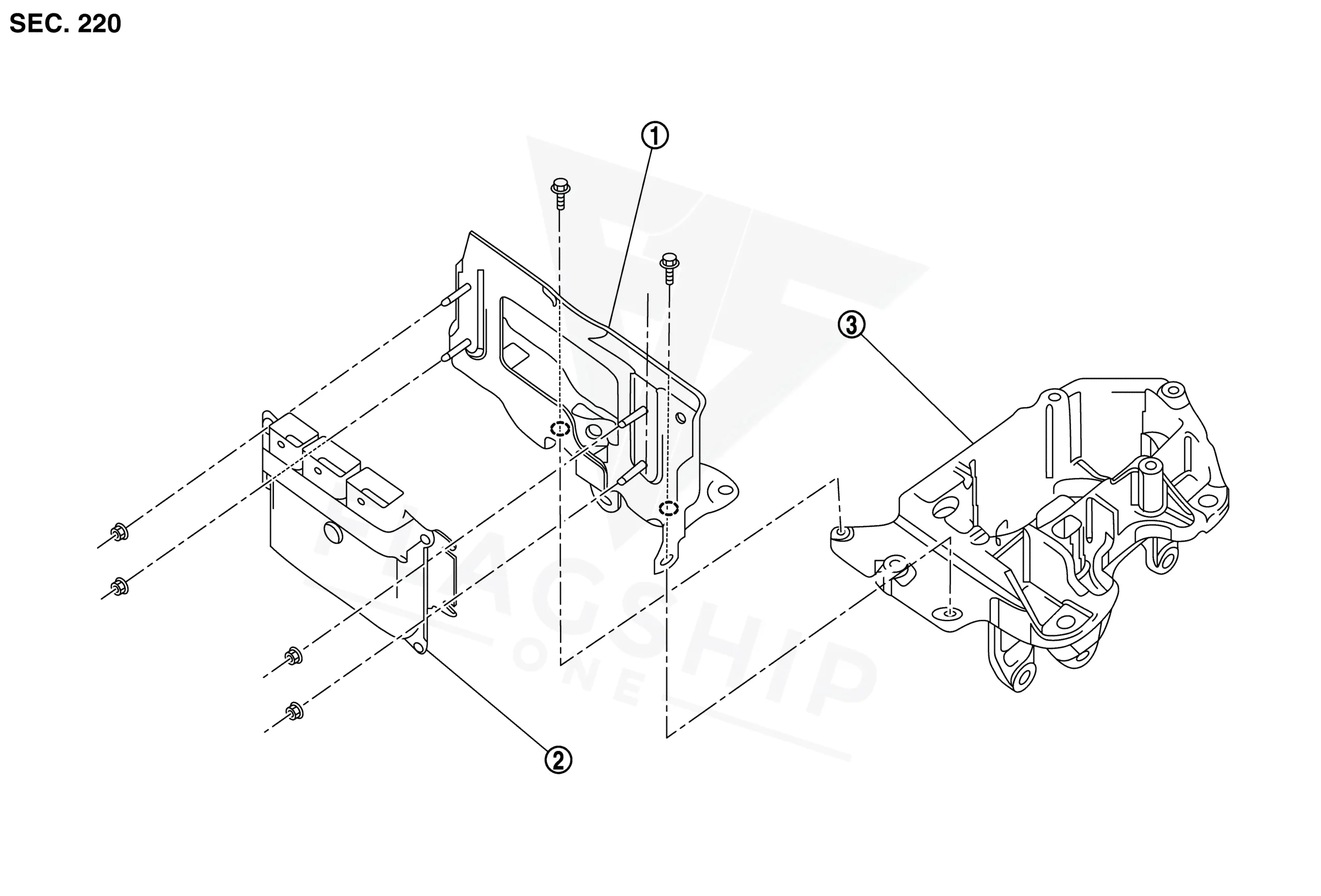
Work with the ignition off, and treat the module as static-sensitive: avoid touching the connector pins at any point.
| Operation | Configuration | Book Time |
|---|---|---|
| Powertrain Control Module R&R | All configurations | 1.4 hr |
| Powertrain Control Module Relearn | All configurations | 0.5 hr |
| Engine Control Module R&R | All configurations | 1.4 hr |
| Engine Control Module Reset | All configurations | 0.3 hr |
| Engine Control Module Relearn | All configurations | 0.5 hr |
After installing a new PCM in your 2016 Nissan Sentra, the factory procedure requires a relearn process to ensure the module communicates correctly with the engine and transmission. This typically involves connecting a scan tool to reset adaptive values, recalibrate throttle position, and synchronize shift points. The labor guide allocates 0.5 hours for this step, though actual time may vary depending on the tool used and technician experience. Using a VIN-programmed replacement unit eliminates the need for this post-install programming, as the module arrives pre-configured to match your Sentra’s specific settings. This not only saves labor time but also reduces the risk of incomplete calibration, which can lead to poor drivability or persistent trouble codes. Always verify that the replacement unit is compatible with your vehicle’s build date and transmission type to avoid compatibility issues.
When the PCM in your 2016 Nissan Sentra begins to fail, symptoms often start subtly but worsen over time. You may notice the engine stalling unexpectedly, particularly at idle or during deceleration, or the vehicle may hesitate or jerk during acceleration. A no-start condition is another common sign, where the engine cranks but fails to fire, often accompanied by a lack of fuel pump priming noise. The check engine light is almost always illuminated, and a scan tool may reveal codes related to internal module faults, such as an internal control module memory error. Other potential symptoms include erratic shifting in the automatic transmission, poor fuel economy, or even the vehicle entering a “limp mode” to protect the drivetrain. In some cases, the PCM may fail to communicate with a scan tool entirely, making diagnosis more challenging. If you experience any of these issues, addressing them promptly can prevent further damage to related components, like the catalytic converter or transmission.
The 2016 Nissan Sentra’s PCM may store specific trouble codes when internal faults occur. These codes help pinpoint the source of drivability issues and guide repairs. Below are the documented module-internal trouble codes for this vehicle.
| Code | Meaning | Full Guide |
|---|---|---|
| P0605 | Internal ROM error | Full P0605 guide → |
A weak or improperly charged battery can cause voltage fluctuations that disrupt PCM operation. After a battery replacement, the PCM may need a relearn procedure to recalibrate throttle and idle settings. If stalling persists, the PCM itself may be failing or require reprogramming to restore proper communication with the engine sensors.
While the vehicle may still run, a P0605 code indicates an internal PCM fault that can lead to unpredictable behavior, such as stalling or poor acceleration. Driving with this code risks further damage to the engine or transmission, so it’s best to address it promptly to avoid more costly repairs.
Sensor issues typically trigger codes related to specific components, like the oxygen sensor or throttle position sensor. A failing PCM, however, often stores internal module codes (e.g., P0605) or causes multiple unrelated codes to appear. If a scan tool fails to communicate with the PCM at all, that’s a strong indicator of module failure rather than a sensor problem.
While a dealer can perform the programming, it’s not the only option. Many independent shops use aftermarket scan tools capable of completing the relearn procedure. However, using a pre-programmed replacement unit eliminates the need for post-install programming, saving time and reducing the risk of incomplete calibration.
A PCM reset clears temporary data, like fuel trims or transmission adaptives, and is often done after battery disconnection. A PCM relearn, however, recalibrates the module to the vehicle’s specific settings, including throttle position, shift points, and sensor baselines. The relearn process is more comprehensive and typically required after module replacement to ensure proper operation.
If your 2016 Nissan Sentra is experiencing PCM-related issues, you have options beyond a costly dealer replacement. A refurbished or remanufactured unit can restore functionality at a fraction of the price, especially when pre-programmed to match your vehicle’s VIN. This eliminates the need for post-install programming, saving labor time and reducing the risk of incomplete calibration. Whether you’re replacing the module yourself or having a shop handle the installation, choosing a unit designed for your Sentra ensures compatibility and reliability.
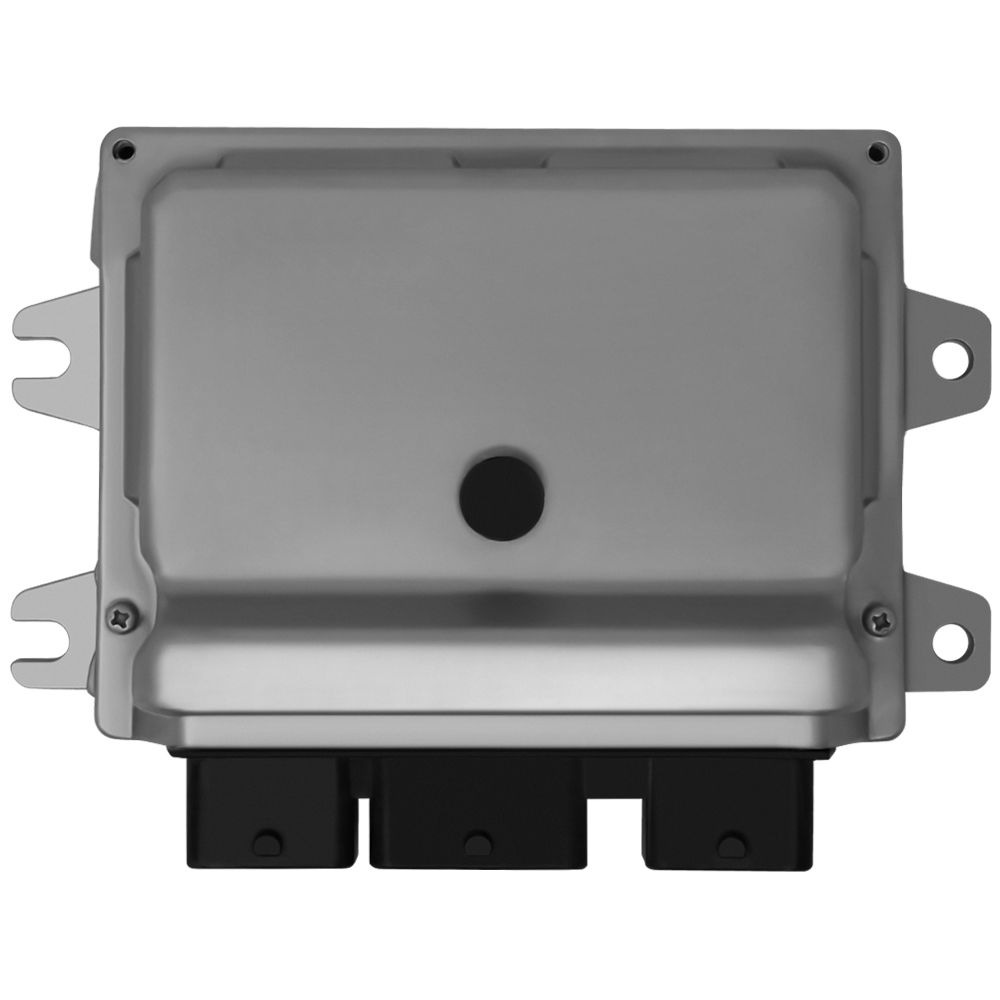
Flagship One stocks a refurbished, VIN-programmed PCM for the 2016 Nissan Sentra with a lifetime warranty, free shipping and no core charge. The full Nissan Sentra module lineup covers other engine configurations as well.
The powertrain control module in your 2016 Nissan Sentra plays a critical role in engine and transmission performance, and its failure can lead to frustrating drivability issues. By understanding the symptoms, replacement process, and programming requirements, you can make informed decisions about repairs. Whether you opt for a dealer-installed unit or a pre-programmed replacement, addressing PCM problems promptly helps maintain your Sentra’s reliability and performance for miles to come.