
Last updated on August 25th, 2026 at 01:45 pm
In the 2013 Nissan Sentra, the Powertrain Control Module and Engine Control Module manage engine timing, fuel delivery, and transmission shifting. When either unit fails, the vehicle may lose driveability, trigger internal codes, and require a reset or replacement to restore normal operation.
When a 2013 Nissan Sentra begins to exhibit erratic idle, hesitation, or a complete lack of power, the underlying cause is often traced to the vehicle’s electronic control units. The Powertrain Control Module (PCM) and Engine Control Module (ECM) act as the brain for engine and transmission functions, interpreting sensor data and commanding actuators. Understanding how these modules operate, what symptoms signal a problem, and what steps are involved in a proper replacement can help you avoid unnecessary downtime and keep your Sentra running smoothly. This guide walks you through the definition of each module, typical failure signs, the labor involved in removal and installation, and the programming requirements that follow a replacement.
The PCM in the 2013 Nissan Sentra governs both engine and transmission parameters, translating sensor inputs into precise fuel injection, ignition timing, and shift commands. Meanwhile, the ECM focuses on engine‑specific functions such as idle control, emissions monitoring, and throttle response. Both modules share a common data bus, allowing them to coordinate actions that affect overall drivability. A malfunction in either unit can disrupt fuel delivery, cause erratic shifting, or trigger internal fault codes. Proper operation is essential for meeting emissions standards and maintaining fuel efficiency. Replacement parts for this model are often sourced as replacement engine control modules for the 2013 Nissan Sentra that meet the original equipment specifications and communicate seamlessly with the vehicle’s network.
2013 Nissan Sentra
OEM programmed ECM for your 2013 Nissan Sentra — plug & play, no dealer visit.
Free shipping · Lifetime warranty
The PCM is mounted within the engine compartment, typically secured to the firewall near the intake manifold. Access usually requires removal of a few fasteners and disconnecting the main power connector. The ECM resides in a similar location, often attached to the same bracket as the PCM, and shares the same connector harness. According to the labor guide, removing and reinstalling the Powertrain Control Module takes about 1.4 hours, while the Engine Control Module requires the same amount of time. After each unit is installed, a relearn procedure of roughly 0.5 hours is needed to allow the vehicle’s control strategy to recalibrate to the new hardware.
| Operation | Configuration | Book Time |
|---|---|---|
| Powertrain Control Module R&R | All configurations | 1.4 hr |
| Powertrain Control Module Relearn | All configurations | 0.5 hr |
| Engine Control Module R&R | All configurations | 1.4 hr |
| Engine Control Module Reset | All configurations | 0.3 hr |
| Engine Control Module Relearn | All configurations | 0.5 hr |
Once the PCM or ECM has been physically installed, the factory service procedure calls for a reset and relearn sequence to ensure the new unit operates correctly. The Powertrain Control Module reset requires about 0.3 hours, followed by a 0.5‑hour relearn, while the Engine Control Module reset is completed in roughly 0.3 hours with an additional 0.5‑hour relearn. Flagship One supplies each replacement as a VIN-programmed replacement unit that already contains the vehicle‑specific calibration, eliminating the need for separate programming steps at the shop.
A failing PCM or ECM in a 2013 Nissan Sentra may manifest as a no‑start condition, rough idle, or intermittent stalling, especially under load. Drivers often notice loss of power during acceleration, unexpected transmission shifts, or a sudden drop in fuel efficiency. Diagnostic scans frequently reveal internal fault codes such as processor communication error, indicating the module’s internal circuitry is not responding correctly. In some cases, the scan tool may lose communication with the vehicle entirely, suggesting a complete loss of module functionality. These symptoms typically worsen over time as the control unit’s internal components degrade.
The following internal trouble code is documented for the 2013 Nissan Sentra:
| Code | Meaning | Full Guide |
|---|---|---|
| P0605 | Internal ROM error | Full P0605 guide → |
The labor guide lists about 1.4 hours for removing and reinstalling the Powertrain Control Module, plus an additional 0.5 hours for the required relearn procedure.
Both options are possible, but a new or refurbished unit that is VIN‑programmed will ensure the correct calibration and reduce the need for additional programming steps.
Code P0605 points to an internal processor communication error within the control module, suggesting the PCM or ECM is not processing data correctly and may need replacement.
The factory procedure requires a standard scan tool to perform the reset and relearn steps, which take about 0.3 hours for the reset and 0.5 hours for relearn.
Yes, Flagship One units arrive pre‑programmed with the vehicle’s VIN, so the only remaining steps are the reset and relearn processes outlined in the service guide.
When a 2013 Nissan Sentra’s PCM or ECM fails, you have the option of installing a brand‑new unit or a refurbished replacement that meets OEM specifications. Both approaches require the same removal, installation, and relearn steps, but a refurbished unit that is VIN‑programmed can reduce overall shop time. Evaluate your budget and downtime tolerance to choose the solution that best fits your needs while keeping the Sentra’s performance intact.
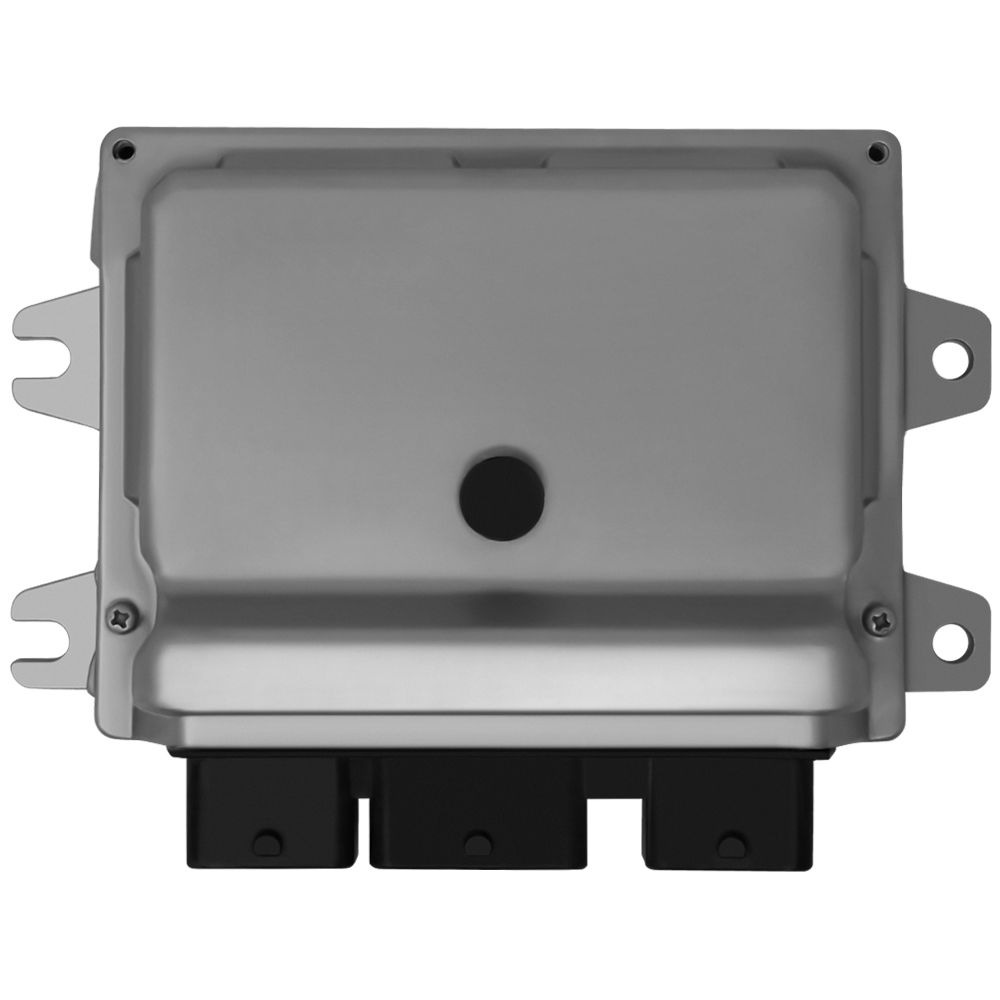
Flagship One stocks a refurbished, VIN-programmed PCM for the 2013 Nissan Sentra with a lifetime warranty, free shipping and no core charge. The full Nissan Sentra module lineup covers other engine configurations as well.
A malfunctioning PCM or ECM can significantly affect the drivability of your 2013 Nissan Sentra. By understanding the symptoms, labor requirements, and post‑install procedures, you can make an informed decision about repair or replacement. Flagship One’s VIN‑programmed modules simplify the process and help get your Sentra back on the road quickly.